 By
By 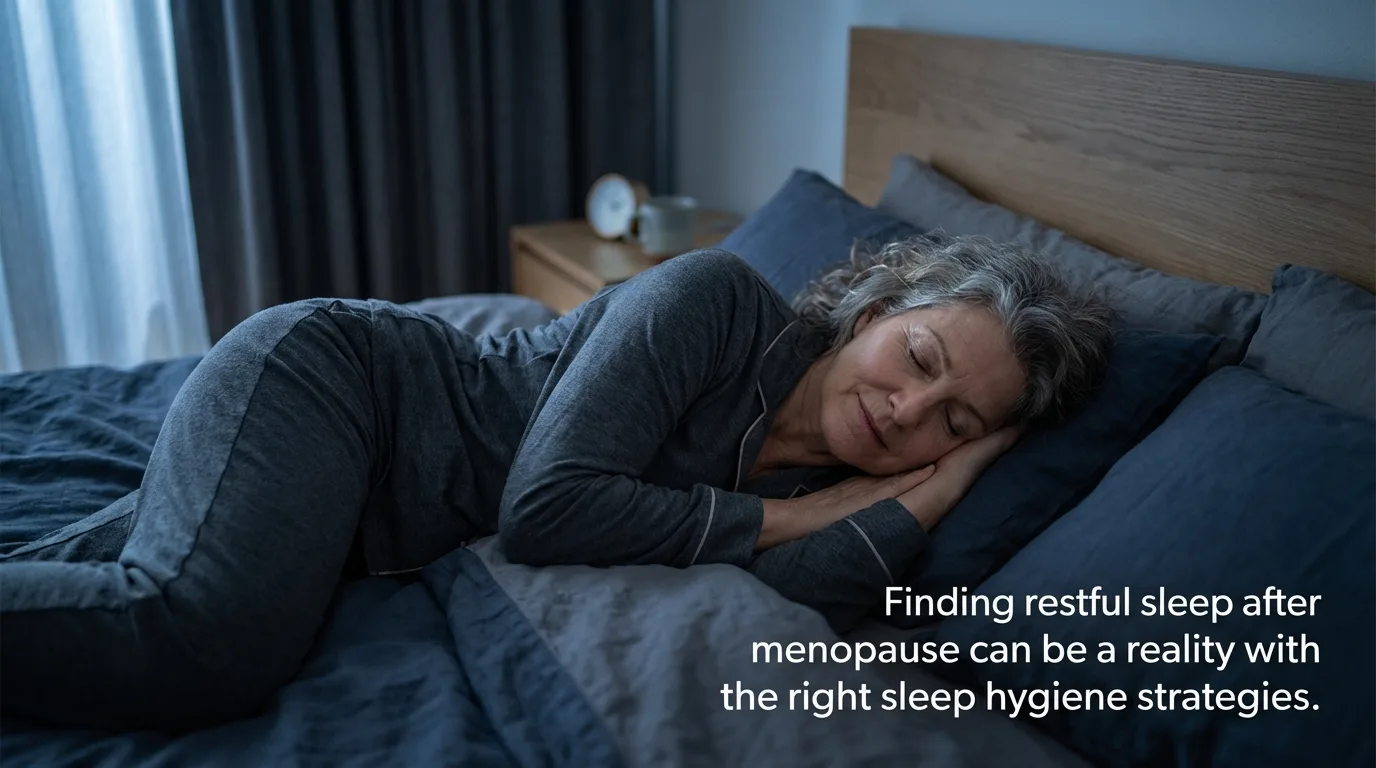
The Night My Sleep Disappeared: Menopause and Insomnia
Menopause. It's a word that brings to mind hot flashes, mood swings, and… insomnia? For many women, including myself, sleep disturbances become an unwelcome guest during this transitional phase. Before menopause, I could fall asleep within minutes of hitting the pillow. Then, seemingly overnight, I was staring at the ceiling for hours, my mind racing. It was incredibly frustrating, and I knew I needed to find a solution beyond just counting sheep.
During the summer of 2022, I realized I was waking up multiple times each night drenched in sweat and unable to fall back asleep. I tracked my sleep using a Fitbit Inspire 2, and the data confirmed what I already knew: my sleep efficiency was terrible, averaging around 60% on most nights, when I really needed to be above 85%. I was exhausted, irritable, and desperate for a good night's rest.
I started researching non-pharmacological approaches, and sleep hygiene kept popping up. It seemed simple enough – create a sleep-promoting environment and adopt habits that encourage restful sleep. Could it really be that simple? I was skeptical, but willing to try anything.
What is Sleep Hygiene?
Sleep hygiene refers to a set of habits and environmental factors that promote healthy sleep. It's about creating the optimal conditions for your body to naturally fall asleep and stay asleep. Think of it as setting the stage for a good night's performance.
My Journey to Better Sleep: Implementing Sleep Hygiene
I decided to fully commit to improving my sleep hygiene. It wasn't an overnight fix, but over time, the changes made a significant difference. Here's what I did:
1. Consistent Sleep Schedule
This was the hardest part for me. I'm a night owl by nature, but I knew I needed to train my body to follow a more regular sleep-wake cycle. Even on weekends. I started going to bed and waking up at the same time every day, even when I didn't feel tired. It took a few weeks, but my body eventually adjusted.
2. Optimizing My Sleep Environment
My bedroom became my sanctuary. Blackout curtains, a comfortable mattress, and a cool room temperature were essential. I also invested in a white noise machine to block out any distracting sounds. I aim for a room temperature between 65 and 68°F (18-20°C), which experts often recommend for optimal sleep.
3. Cutting Down on Caffeine and Alcohol
This was another tough one, as I loved my afternoon coffee. However, I realized that caffeine was contributing to my nighttime restlessness. I switched to decaf after noon and limited my alcohol consumption to one glass of wine with dinner, if any. I made this change in the spring of 2023. I discovered that even a small amount of alcohol would disrupt my sleep later in the night, as my Fitbit showed consistent dips in my sleep score after alcohol consumption.
4. Regular Exercise
I started incorporating regular exercise into my routine. I aimed for at least 30 minutes of moderate-intensity exercise most days of the week. I found that morning workouts were best for me, as evening workouts seemed to keep me awake.
5. Creating a Relaxing Bedtime Routine
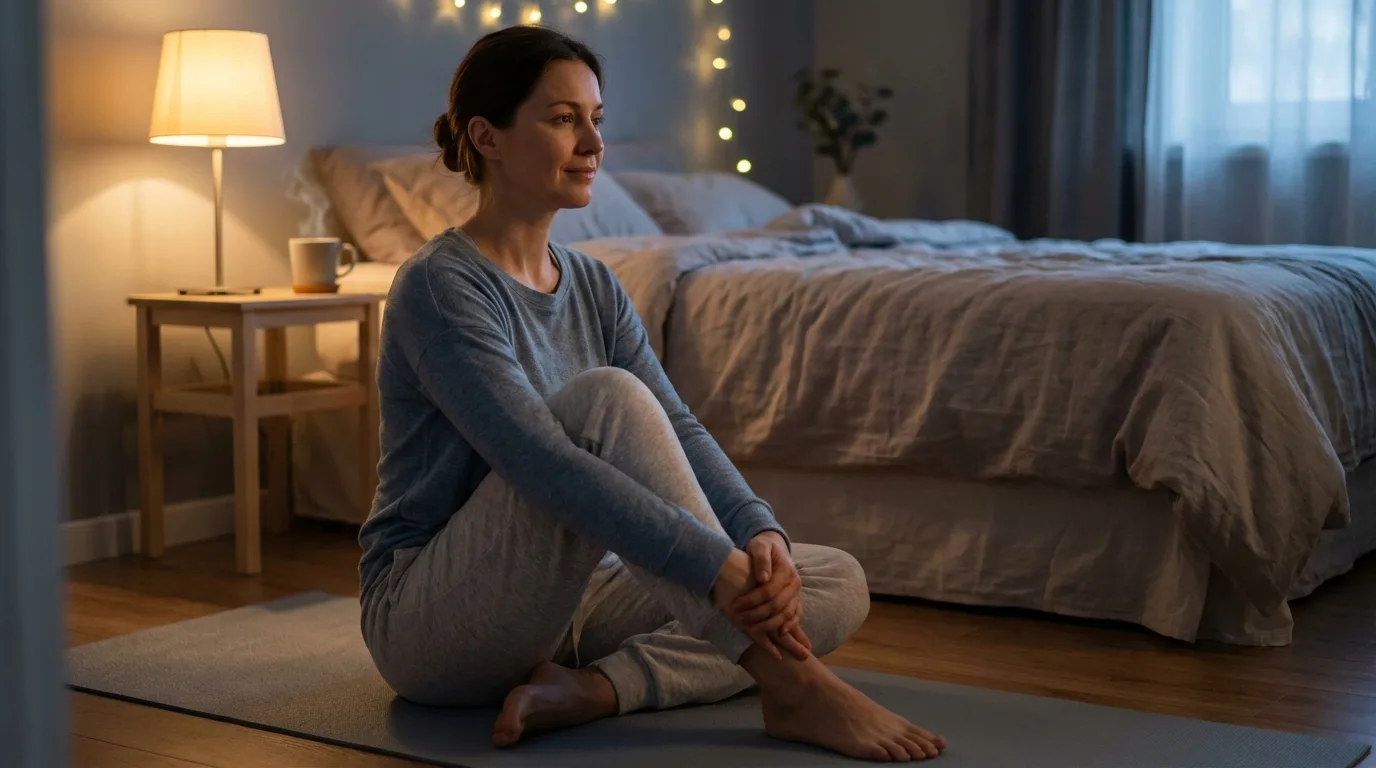
My bedtime routine became sacred. About an hour before bed, I would dim the lights, take a warm bath with Epsom salts, and read a book (a real book, not on a screen). I also practiced deep breathing exercises or meditation to calm my mind.
6. Limiting Screen Time Before Bed
The blue light emitted from electronic devices can interfere with melatonin production, making it harder to fall asleep. I made a conscious effort to avoid screens for at least an hour before bed. Instead, I would read, listen to calming music, or spend time with my family.
7. Addressing Hot Flashes
Hot flashes were a major sleep disruptor for me. I found that wearing lightweight, breathable clothing and keeping a fan by my bed helped to minimize their impact. I also discussed hormone therapy options with my doctor. In 2023, after consulting my doctor, I started a low dose of hormone replacement therapy (HRT). While I was initially hesitant, the results were significant. My hot flashes decreased from about 8 per day to around 2, according to my daily tracking log, and my overall sleep quality improved dramatically.
Sleep Hygiene Techniques: A Detailed Guide
Here's a more detailed look at some key sleep hygiene techniques:
- Bedroom Environment: Keep your bedroom dark, quiet, and cool. Use blackout curtains, earplugs, or a white noise machine to minimize distractions.
- Consistent Sleep Schedule: Go to bed and wake up at the same time every day, even on weekends. This helps regulate your body's natural sleep-wake cycle.
- Relaxing Bedtime Routine: Develop a relaxing bedtime routine that helps you wind down before bed. This could include taking a warm bath, reading, or listening to calming music.
- Avoid Caffeine and Alcohol: Limit your consumption of caffeine and alcohol, especially in the evening. Both substances can interfere with sleep.
- Regular Exercise: Exercise regularly, but avoid exercising too close to bedtime.
- Limit Screen Time: Avoid using electronic devices for at least an hour before bed.
- Manage Stress: Practice stress-reducing techniques, such as meditation, deep breathing, or yoga.
- Comfortable Bedding: Invest in a comfortable mattress, pillows, and bedding.
- Sunlight Exposure: Get regular exposure to sunlight, especially in the morning. This helps regulate your body's natural sleep-wake cycle.
Troubleshooting Common Sleep Problems After Menopause
Even with the best sleep hygiene practices, you may still experience occasional sleep problems. Here are some common issues and how to address them:
- Difficulty Falling Asleep: If you can't fall asleep after 20 minutes, get out of bed and do something relaxing until you feel tired.
- Waking Up During the Night: If you wake up during the night and can't fall back asleep, avoid looking at the clock. Get out of bed and do something relaxing until you feel tired.
- Early Morning Awakening: If you wake up too early in the morning and can't fall back asleep, avoid staying in bed. Get up and start your day.
Hormone Therapy: Is It Right for You?
Hormone therapy (HT) can be an effective treatment for menopausal symptoms, including insomnia. However, it's important to discuss the risks and benefits of HT with your doctor to determine if it's the right choice for you. The North American Menopause Society (NAMS) provides comprehensive information on hormone therapy and other menopause treatments.

Other Therapies for Insomnia
Besides sleep hygiene and hormone therapy, other therapies can help improve sleep:
- Cognitive Behavioral Therapy for Insomnia (CBT-I): CBT-I is a type of therapy that helps you identify and change negative thoughts and behaviors that are interfering with your sleep.
- Relaxation Techniques: Relaxation techniques, such as progressive muscle relaxation and guided imagery, can help you relax your body and mind before bed.
- Acupuncture: Some studies suggest that acupuncture can improve sleep quality in women with menopause.
- Supplements: Some supplements, such as melatonin and valerian root, may help improve sleep. However, it's important to talk to your doctor before taking any supplements.
Sleep Hygiene vs. Cognitive Behavioral Therapy for Insomnia (CBT-I)
While sleep hygiene focuses on creating a conducive sleep environment and establishing healthy sleep habits, CBT-I addresses the underlying psychological and behavioral factors that contribute to insomnia. CBT-I often includes elements of sleep hygiene, but it goes further by targeting negative thoughts and beliefs about sleep, and teaching techniques to manage anxiety and arousal at night. It's often considered the gold standard treatment for chronic insomnia.
The Power of a Sleep Diary
Keeping a sleep diary can be an incredibly valuable tool in identifying patterns and triggers that affect your sleep. Record your bedtime, wake-up time, number of awakenings, and any factors that may have influenced your sleep, such as caffeine or alcohol consumption, stress levels, or physical activity. This information can help you and your doctor tailor your sleep hygiene strategies.
During January 2024, I started using the Sleep Cycle app in conjunction with my Fitbit to track my sleep patterns in more detail. I was particularly interested in identifying correlations between my diet and sleep quality. After consistently logging my meals for two weeks, I observed that eating sugary snacks after 8 PM consistently led to more fragmented sleep, with my deep sleep duration decreasing by an average of 15 minutes each night, a measurable amount that motivated me to change my habits.
The Role of Diet and Nutrition
Your diet can significantly impact your sleep. Avoid heavy meals close to bedtime, and limit your intake of sugary and processed foods. Instead, focus on eating a balanced diet rich in fruits, vegetables, and whole grains. Some foods, such as tart cherries and kiwi, have been shown to promote sleep.
Sleep Apnea and Menopause
Sleep apnea, a condition characterized by pauses in breathing during sleep, is more common in postmenopausal women. Symptoms include loud snoring, daytime sleepiness, and morning headaches. If you suspect you may have sleep apnea, talk to your doctor about getting a sleep study.
Sample Sleep Schedule for Menopausal Women
This table outlines a sample sleep schedule incorporating good sleep hygiene practices. Adjust timings to fit your personal needs and lifestyle.
| Time | Activity |
|---|---|
| 7:00 AM | Wake up, get sunlight exposure |
| 7:30 AM | Breakfast |
| Throughout the day | Regular physical activity |
| 6:00 PM | Dinner |
| 8:00 PM | Begin winding down, dim lights |
| 9:00 PM | Warm bath or shower |
| 9:30 PM | Relaxing activity (reading, meditation) |
| 10:00 PM | Bedtime |
Source: author's experience, supplemented by National Sleep Foundation — sleepfoundation.org
Comparing Natural Sleep Aids
Many natural sleep aids are available over-the-counter. This table provides a quick comparison of some popular options.
| Supplement | Mechanism of Action | Potential Benefits | Considerations |
|---|---|---|---|
| Melatonin | Regulates sleep-wake cycle | Improved sleep onset and duration | May cause daytime drowsiness |
| Valerian Root | Increases GABA levels in the brain | Reduced anxiety and improved sleep quality | May interact with certain medications |
| Magnesium | Relaxes muscles and calms the nervous system | Improved sleep onset and duration | May cause digestive upset in high doses |
| L-Theanine | Promotes relaxation without drowsiness | Reduced anxiety and improved sleep quality | Generally well-tolerated |
Source: author's experience, supplemented by National Center for Complementary and Integrative Health — ncbi.nlm.nih.gov
FAQ: Your Burning Questions Answered
Here are some of the most common questions I get asked about insomnia and sleep hygiene after menopause:
- Why does my sleep still get disrupted even after implementing strict sleep hygiene practices?
- Even with consistent sleep hygiene, hormonal fluctuations during perimenopause and menopause can still significantly impact sleep. Hot flashes and night sweats, driven by changing estrogen levels, can disrupt sleep cycles despite your best efforts. Additionally, underlying conditions like sleep apnea or restless legs syndrome, which become more prevalent with age, could be contributing. It’s important to rule out these factors with your doctor.
- What is the real practical difference between using a white noise machine versus a fan for sleep?
- Both white noise machines and fans generate background noise to mask distracting sounds, but they do so differently. White noise machines produce a consistent, uniform sound across all frequencies, which can be particularly effective at blocking out intermittent noises like traffic or conversations. Fans, on the other hand, generate more of a whooshing sound and also provide a cooling effect, which can be beneficial for managing hot flashes. The best choice depends on your individual preferences and needs. Some people find the fan sound more soothing, while others prefer the consistency of white noise.
- How long should I realistically expect it to take before I see noticeable improvements in my sleep after starting sleep hygiene?
- It's unrealistic to expect immediate results. While some people may experience minor improvements within the first week, it generally takes several weeks to a few months of consistent effort to see significant and lasting changes in sleep quality. The exact timeline varies depending on the severity of your insomnia, your individual response to the changes, and the consistency with which you implement the sleep hygiene practices. Consistency and patience are key.
- Why do I feel even more anxious about sleep when I focus too much on sleep hygiene rules?
- This is a common issue known as “sleep effort” or “paradoxical insomnia.” Overly focusing on sleep hygiene rules can create anxiety and performance pressure around sleep, which ironically makes it harder to fall asleep. The key is to find a balance between implementing healthy sleep habits and not obsessing over them. If you find yourself becoming overly anxious, try to shift your focus away from sleep and towards relaxation techniques. Cognitive Behavioral Therapy for Insomnia (CBT-I) can also be helpful in addressing these anxiety-related sleep issues.
Take Control of Your Sleep
Insomnia after menopause can be challenging, but it's not something you have to live with. By implementing these sleep hygiene techniques and exploring other therapies, you can take control of your sleep and improve your overall quality of life. Don't hesitate to reach out to your doctor for guidance and support. Start tonight by implementing one small change, like setting a consistent bedtime, and build from there. The path to better sleep is within your reach.
Ready to prioritize your sleep health? Download my free sleep hygiene checklist to get started today!
Recommended Reading
- CPAP Failed? 7 Advanced Paths for Severe Sleep Apnea Treatment
- Post-Procedure Skin Barrier Stalled? 7 Expert Fixes for Rapid Recovery
- Unlock ROI: What Are The Best Metrics for Fitness Wellness Programs?
- Executive Burnout: 7 Strategies to Stay Fit & Thrive in Demanding Roles
- 7 Essential Strategies: Ensuring Consistent Follow-Up for Abnormal Wellness Findings






0 Comentários: