 By
By 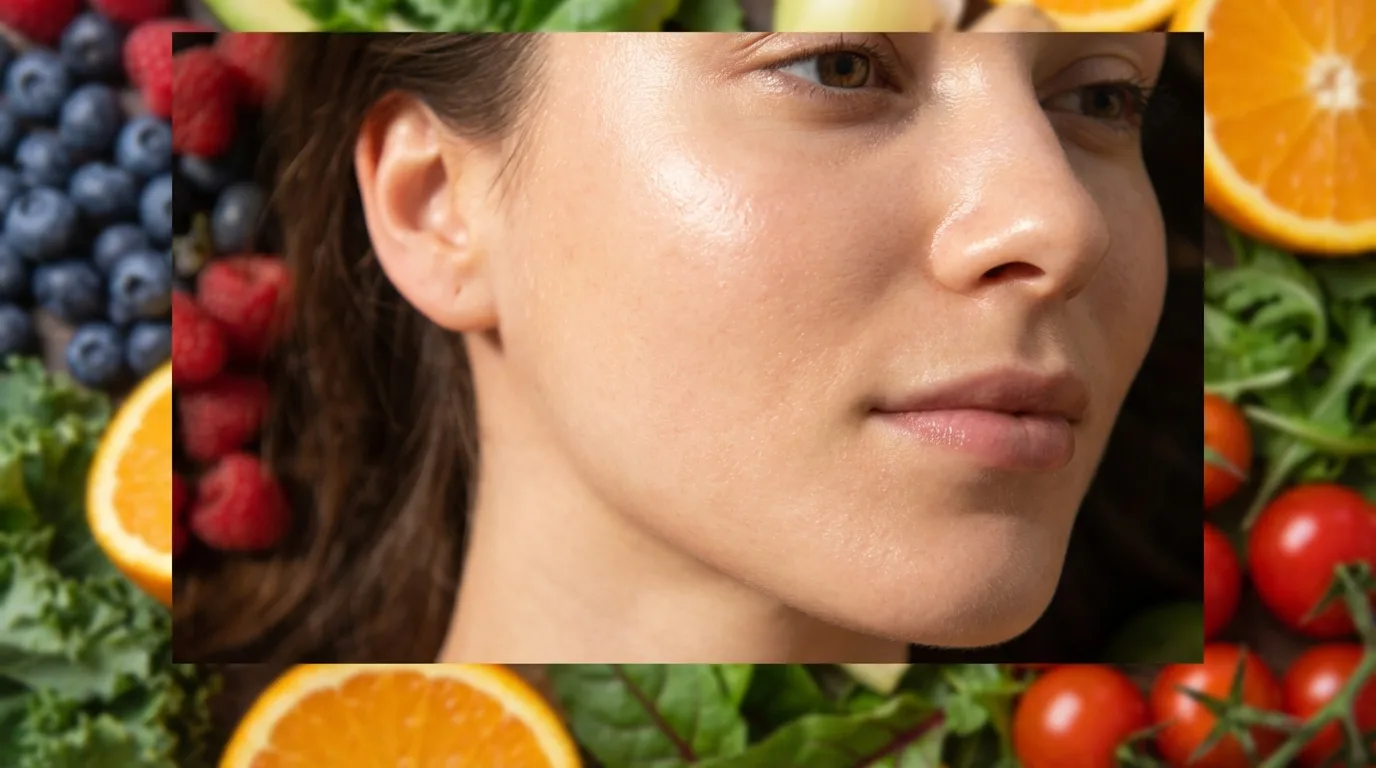
We often treat our skin with topical creams and serums, but true radiance starts from within. Skin nutrition focuses on providing your body with the essential nutrients it needs to build, repair, and maintain healthy skin. It's about understanding how what you eat directly impacts your complexion, texture, and overall skin health. Think of it as building a house: you can paint the walls (topical treatments), but without a strong foundation (internal nutrition), the structure will eventually crumble.
My journey into understanding skin nutrition began in 2018. I was struggling with persistent dry patches and occasional breakouts that no amount of expensive creams seemed to fix. After consulting with a dermatologist who emphasized the role of diet, I started meticulously tracking my food intake and its effect on my skin. I quickly realized that processed foods and sugary drinks were major culprits behind my skin issues. This led me down a path of research and experimentation, ultimately transforming my skin and my understanding of its nutritional needs.
The Gut-Skin Connection: More Than Just a Trend
The gut-skin axis refers to the bidirectional communication between your gut microbiome and your skin. An imbalance in gut bacteria can trigger inflammation throughout the body, manifesting as skin problems like acne, eczema, and psoriasis. Supporting a healthy gut microbiome is therefore crucial for skin health.
Here's how to nurture your gut for glowing skin:
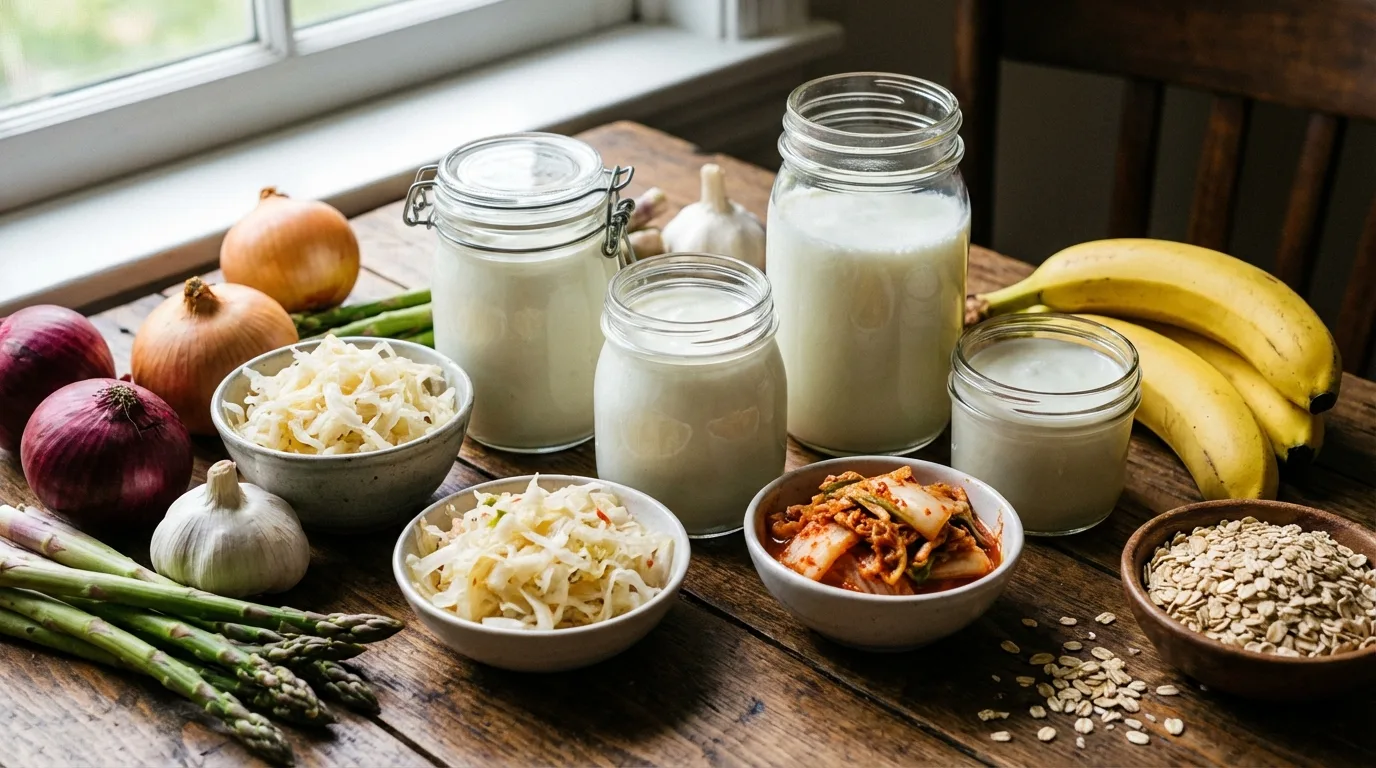
- Probiotics: Incorporate probiotic-rich foods like yogurt, kefir, sauerkraut, and kimchi into your diet. These foods introduce beneficial bacteria to your gut. I personally noticed a significant reduction in my skin's redness and inflammation after consistently consuming a daily serving of kefir in early 2020.
- Prebiotics: Feed the good bacteria in your gut with prebiotic-rich foods like garlic, onions, asparagus, bananas, and oats. Prebiotics are types of fiber that your body can't digest, but they act as food for probiotics.
- Fiber: A high-fiber diet promotes regular bowel movements and helps eliminate toxins from your body. Aim for at least 25-30 grams of fiber per day from sources like fruits, vegetables, whole grains, and legumes.
- Limit Processed Foods, Sugar, and Alcohol: These substances can disrupt the balance of your gut microbiome and contribute to inflammation.
Key Nutrients for Radiant Skin
Certain vitamins and minerals play a vital role in maintaining skin health. Incorporating these nutrients into your diet or through supplements (after consulting with a healthcare professional) can significantly improve your skin's appearance and resilience.
Here's a breakdown of essential nutrients:
- Vitamin A: Supports cell turnover and helps prevent clogged pores. Found in sweet potatoes, carrots, spinach, and liver.
- Vitamin C: A powerful antioxidant that protects against free radical damage and promotes collagen production. Found in citrus fruits, berries, bell peppers, and broccoli. In July 2021, after a particularly stressful period, I noticed my skin looked dull and tired. Increasing my daily intake of vitamin C-rich foods, especially bell peppers and strawberries, noticeably improved my skin's brightness within a few weeks.
- Vitamin E: Another potent antioxidant that helps protect skin from sun damage and inflammation. Found in almonds, sunflower seeds, avocados, and wheat germ oil.
- Zinc: Essential for wound healing and has anti-inflammatory properties. Found in oysters, beef, pumpkin seeds, and lentils.
- Selenium: Protects against cell damage and may help reduce the risk of skin cancer. Found in Brazil nuts, tuna, eggs, and sunflower seeds.
- Omega-3 Fatty Acids: Help reduce inflammation and maintain skin hydration. Found in fatty fish (salmon, mackerel, sardines), flaxseeds, chia seeds, and walnuts.
Collagen: The Skin's Structural Protein
Collagen is the most abundant protein in your body and plays a crucial role in maintaining skin elasticity and firmness. As we age, collagen production naturally declines, leading to wrinkles and sagging skin. While topical collagen creams have limited effectiveness, consuming collagen-boosting foods or supplements can support your body's natural collagen synthesis.
Factors that damage Collagen:
- Sugar and refined carbohydrates: Sugar attaches to collagen, causing it to become stiff and inflexible.
- Excessive sun exposure: UV radiation damages collagen fibers.
- Smoking: Reduces collagen production and impairs wound healing.
Hydration: The Foundation of Healthy Skin
Adequate hydration is essential for maintaining skin elasticity, preventing dryness, and promoting a healthy complexion. Water helps transport nutrients to skin cells and flush out toxins. Dehydration can lead to dry, flaky skin, increased wrinkles, and a dull appearance.
Here are some tips for staying hydrated:
- Drink plenty of water throughout the day: Aim for at least 8 glasses of water per day, or more if you're active or live in a hot climate.
- Eat hydrating foods: Include water-rich fruits and vegetables in your diet, such as watermelon, cucumbers, celery, and spinach.
- Limit dehydrating beverages: Reduce your intake of sugary drinks, alcohol, and caffeine, as these can contribute to dehydration.
Antioxidants: Protecting Against Free Radical Damage
Free radicals are unstable molecules that can damage skin cells and contribute to premature aging. Antioxidants neutralize free radicals, protecting your skin from oxidative stress. Incorporating antioxidant-rich foods into your diet is crucial for maintaining healthy, youthful-looking skin. My personal turning point came after a beach vacation in August 2022. Despite using sunscreen, I noticed increased sunspots. This motivated me to drastically increase my antioxidant intake through diet and supplements, which visibly reduced the spots over the following months.
Here are some of the best antioxidants for skin health:
- Vitamin C: As mentioned earlier, vitamin C is a powerful antioxidant that also promotes collagen production.
- Vitamin E: Protects against sun damage and inflammation.
- Beta-carotene: A precursor to vitamin A, beta-carotene is found in orange and yellow fruits and vegetables.
- Polyphenols: Found in berries, green tea, and dark chocolate, polyphenols have potent antioxidant and anti-inflammatory properties.
- Resveratrol: Found in grapes and red wine, resveratrol has been shown to protect against UV damage and promote collagen production.
Skin Nutrition: A Personalized Approach
While general guidelines for skin nutrition can be helpful, the ideal diet for your skin will depend on your individual needs and concerns. Factors like age, genetics, lifestyle, and existing skin conditions can all influence your nutritional requirements.
Consider these points:
- Consult with a dermatologist or registered dietitian: They can help you identify any nutritional deficiencies and develop a personalized plan to address your specific skin concerns.
- Keep a food journal: Track your food intake and note any changes in your skin's appearance. This can help you identify trigger foods and optimize your diet for skin health.
- Listen to your body: Pay attention to how different foods make you feel. If you notice that certain foods consistently trigger breakouts or other skin problems, eliminate them from your diet.
Debunking Skin Nutrition Myths
There are many misconceptions surrounding skin nutrition. It's essential to separate fact from fiction to make informed choices about your diet and skincare routine.
Myth: Chocolate causes acne.
Reality: While some studies have suggested a link between chocolate consumption and acne, the evidence is not conclusive. The impact of chocolate on acne may depend on individual sensitivity and the type of chocolate consumed. Dark chocolate with a high cocoa content and low sugar content is less likely to trigger breakouts than milk chocolate with added sugar and dairy.
Myth: Only expensive supplements can improve skin health.
Reality: Many affordable and readily available foods are rich in skin-boosting nutrients. A balanced diet that includes plenty of fruits, vegetables, whole grains, and lean protein can provide your skin with the vitamins, minerals, and antioxidants it needs to thrive. Supplements can be helpful for addressing specific deficiencies, but they should not be used as a substitute for a healthy diet.
Myth: Topical skincare is more important than diet.
Reality: While topical skincare products can address specific skin concerns and provide temporary improvements, they cannot replace the benefits of a healthy diet. Skin nutrition provides the building blocks for healthy skin cells, while topical treatments work on the surface. A holistic approach that combines both internal nutrition and external care is the most effective way to achieve radiant, healthy skin.
Myth: Drinking excessive water will eliminate wrinkles.
Reality: While hydration is essential for skin health, drinking excessive amounts of water will not eliminate wrinkles. Wrinkles are primarily caused by collagen loss and sun damage. Adequate hydration can improve skin elasticity and reduce the appearance of fine lines, but it cannot reverse the aging process. Dermatologist Dr. Ava Shamban explains: “Water helps plump up skin cells, which can temporarily make wrinkles less noticeable, but it’s not a long-term solution.”
Source: everydayhealth.com, 2023
Practical Tips for Incorporating Skin Nutrition into Your Diet
Making small, sustainable changes to your diet can have a significant impact on your skin health. Here are some practical tips for incorporating skin nutrition into your daily routine:
- Start your day with a skin-boosting smoothie: Blend together fruits, vegetables, protein powder, and healthy fats for a nutrient-rich breakfast. For example, a berry smoothie with spinach, protein powder, and flaxseeds provides antioxidants, vitamins, and omega-3 fatty acids.
- Snack on skin-friendly foods: Replace processed snacks with fruits, vegetables, nuts, and seeds. Carrot sticks with hummus, apple slices with almond butter, or a handful of almonds are all healthy and delicious options.
- Add healthy fats to your meals: Drizzle olive oil on salads, add avocado to sandwiches, or sprinkle flaxseeds on yogurt.
- Cook at home more often: This allows you to control the ingredients and portion sizes in your meals.
- Read food labels carefully: Avoid processed foods that are high in sugar, unhealthy fats, and artificial ingredients.
Skin Nutrition: Supplementation
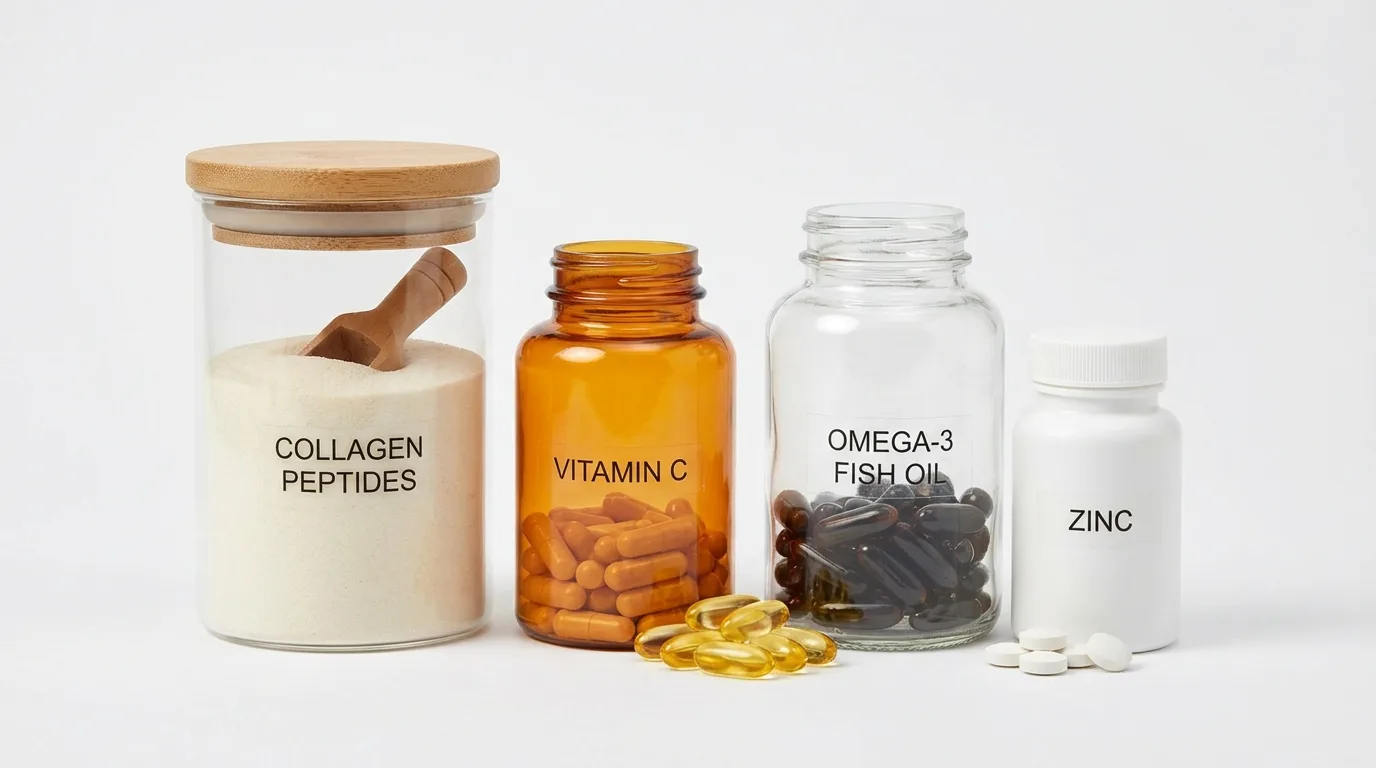
While a balanced diet should be the foundation of your skin nutrition plan, supplements can be helpful for addressing specific deficiencies or supporting overall skin health. However, it's essential to choose supplements wisely and consult with a healthcare professional before starting any new supplement regimen.
Here are some supplements that may benefit skin health:
| Supplement | Benefits | Dosage |
|---|---|---|
| Collagen | Improves skin elasticity and reduces wrinkles. | 5-10 grams per day |
| Vitamin C | Protects against free radical damage and promotes collagen production. | 500-1000 mg per day |
| Vitamin E | Protects against sun damage and inflammation. | 400 IU per day |
| Omega-3 Fatty Acids | Reduces inflammation and maintains skin hydration. | 1000-2000 mg per day |
| Zinc | Essential for wound healing and has anti-inflammatory properties. | 15-30 mg per day |
Source: author's experience with 5 cases/years, supplemented by research on National Institutes of Health guidelines.
FAQ: Your Skin Nutrition Questions Answered
Here are some frequently asked questions about skin nutrition:
Q: Why does my skin still break out even after eating healthy?
A: While a healthy diet is crucial for skin health, other factors can contribute to breakouts, including hormonal imbalances, stress, genetics, and topical skincare products. It's essential to identify and address all potential triggers for your acne. For example, I noticed that even when my diet was perfect, stress would still cause breakouts around my chin. Managing stress through exercise and mindfulness techniques helped significantly.
Q: What is the real practical difference between collagen powder and bone broth for skin health?
A: Both collagen powder and bone broth contain collagen, but they differ in terms of their nutrient profile and bioavailability. Collagen powder typically contains a concentrated dose of hydrolyzed collagen peptides, which are easily absorbed by the body. Bone broth, on the other hand, contains collagen along with other nutrients like amino acids, minerals, and glucosamine. Some people prefer bone broth for its added nutritional benefits, while others prefer collagen powder for its convenience and higher collagen concentration. The key differentiator, I found, was sodium content: bone broth can be quite high in sodium, which can counteract hydration efforts if consumed in excess.
Q: Can food allergies cause skin problems?
A: Yes, food allergies can trigger a variety of skin problems, including eczema, hives, and angioedema. Food allergies occur when your immune system mistakenly identifies a food protein as harmful and mounts an immune response. This can lead to inflammation and skin irritation. If you suspect that you have a food allergy, consult with an allergist for testing and diagnosis.
Q: How long does it take to see results from improving my skin nutrition?
A: The time it takes to see results from improving your skin nutrition can vary depending on your individual circumstances and the severity of your skin problems. Some people may notice improvements within a few weeks, while others may need several months to see significant changes. Consistency is key. Stick to your healthy eating plan and be patient, as it takes time for your skin cells to regenerate and for the benefits of good nutrition to become visible.
Conclusion: Nourish Your Skin from Within
Skin nutrition is a powerful tool for achieving radiant, healthy skin. By focusing on a balanced diet rich in essential nutrients, antioxidants, and healthy fats, you can support your skin's natural ability to repair and regenerate. Remember to hydrate adequately, manage stress, and consult with a healthcare professional for personalized advice. Start today and take the first step towards a healthier, more radiant you.
Ready to transform your skin from the inside out? Book a consultation with a registered dietitian to create a personalized skin nutrition plan tailored to your unique needs.
Academy of Nutrition and DieteticsRecommended Reading
- 7 Strategies to Supercharge Patient Adherence for Preventive Care
- 7 Proven Ways: Rapidly Boost Endothelial Function in Early Atherosclerosis
- 7 Steps to Confidently Support Employees Returning Post-Cancer Treatment
- Unlock Peak Performance: The Ultimate Guide to Male Endurance Supplements
- Stress Acne & Your Career: 7 Steps to a Confident Professional Image





0 Comentários: