 By
By 
Advanced Strategies for Restoring Glow in Chronic Inflammatory Skin?
For over two decades in the demanding world of dermatology and advanced skincare, I've witnessed firsthand the profound despair that chronic inflammatory skin conditions can cast upon an individual's sense of self and well-being. It's more than just a rash or redness; it's a persistent battle against discomfort, unpredictable flare-ups, and the gradual erosion of that natural, healthy glow we all associate with vitality.
The conventional approaches, while often necessary for symptom management, frequently fall short of truly addressing the root causes and restoring the skin's inherent luminosity. Patients come to me feeling defeated, their skin perpetually irritated, dull, and lacking the vibrancy they once knew, or desperately wish for.
This article isn't about quick fixes; it's about empowering you with a comprehensive, multi-faceted framework. You'll discover advanced, evidence-based strategies – from cutting-edge topical treatments and innovative internal therapies to profound lifestyle shifts – designed not just to calm inflammation, but to actively regenerate and restore a lasting, luminous glow to even the most chronically inflamed skin.
Understanding the Inflammatory Cascade and Its Impact on Radiance
Before we dive into solutions, it's crucial to grasp what we're up against. Chronic inflammation isn't just surface redness; it's a complex, persistent immune response that silently wages war on your skin's vital structures. This constant cellular stress leads to a breakdown of the skin barrier, impaired cell turnover, increased oxidative stress, and the degradation of collagen and elastin. The cumulative effect is skin that looks tired, dull, uneven, and prematurely aged – a stark contrast to the smooth, reflective surface of healthy, glowing skin.
I've seen this cycle repeat countless times: inflammation leads to barrier dysfunction, which in turn allows more irritants in, fueling further inflammation. Breaking this cycle is paramount to restoring any semblance of glow.
Key takeaways:
- Chronic inflammation damages skin barrier.
- It impairs cell regeneration and collagen.
- Results in dull, uneven, and aged appearance.
Strategy 1: Precision Barrier Restoration and Reinforcement
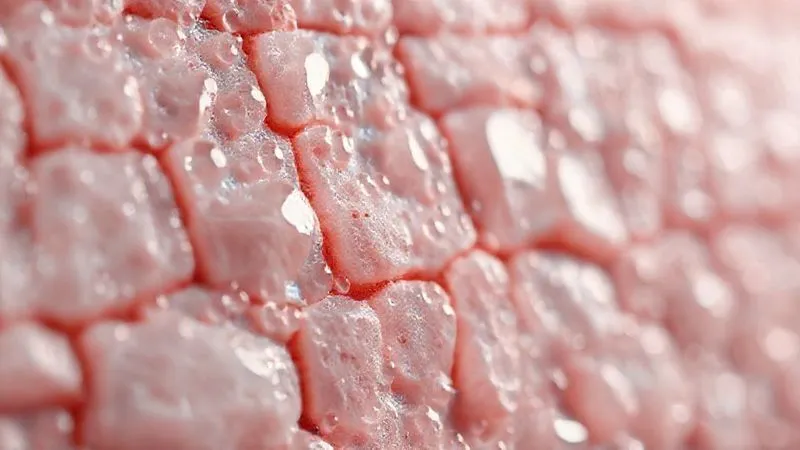
The skin barrier, our outermost shield, is often the first casualty in chronic inflammatory conditions. A compromised barrier leaks moisture, invites pathogens, and exacerbates inflammation. Restoring its integrity is the bedrock of any successful strategy for restoring glow in chronic inflammatory skin.
Advanced Topical Lipids and Ceramides
Beyond basic moisturizers, we now have highly sophisticated formulations that mimic the skin's natural lipid composition. Look for products rich in ceramides, cholesterol, and fatty acids in optimal ratios (often 3:1:1). These ingredients don't just sit on the surface; they integrate into the lipid bilayer, literally rebuilding the skin's protective matrix. I often recommend layering these with humectant-rich serums (like hyaluronic acid) to draw and lock in moisture effectively.
- Identify compromised areas: Focus application on areas of greatest dryness, flakiness, or redness.
- Layer correctly: Apply thinnest to thickest. A hydrating serum, followed by a ceramide-rich cream, sealed with an occlusive balm if needed.
- Consistency is key: Twice daily application, even when skin feels calm, is crucial for sustained barrier health.
“A robust skin barrier is not just about protection; it's the canvas upon which true skin radiance can emerge. Without it, every other strategy is fighting an uphill battle.”
According to a review published in the Journal of Clinical and Aesthetic Dermatology, topical lipid mixtures containing ceramides, cholesterol, and free fatty acids have been shown to significantly improve skin barrier function and reduce transepidermal water loss (TEWL) in various dermatological conditions.
Strategy 2: Targeting Inflammation with Novel Actives and Delivery Systems
While barrier repair is foundational, direct anti-inflammatory action is equally vital. The goal here is to quell the internal 'fire' without causing further irritation.
Beyond Steroids: Calming Peptides and Botanical Powerhouses
Long-term steroid use carries risks. My approach favors ingredients that modulate inflammation pathways more gently. Peptides like Palmitoyl Tripeptide-8 (often found in products for sensitive skin) can specifically target neurogenic inflammation. Furthermore, advanced botanical extracts such as licorice root extract (glycyrrhizin), bisabolol (from chamomile), and Centella Asiatica (Cica) offer powerful anti-inflammatory and wound-healing properties. These ingredients work synergistically to reduce redness, soothe irritation, and promote a more even skin tone, which is a prerequisite for glow.
I've seen remarkable transformations when patients incorporate these actives consistently. For instance, a patient with persistent rosacea-like redness saw a significant reduction in erythema and an overall brighter complexion after three months of using a serum concentrated with Cica and calming peptides.
Case Study: Sarah's Journey to Reduced Redness and Radiance
Sarah, a 42-year-old with chronic inflammatory skin characterized by persistent facial redness and occasional breakouts, had tried numerous conventional treatments with limited success. Her skin felt perpetually hot and tight, and her complexion was dull and uneven. By integrating a specific regimen focusing on barrier repair (as discussed in Strategy 1) alongside a potent serum containing Palmitoyl Tripeptide-8 and a high concentration of Centella Asiatica extract, we observed a dramatic improvement. Within 8 weeks, her baseline redness decreased by an estimated 40%, and her skin's texture became smoother, allowing a natural, healthy glow to emerge. This resulted in a significant boost in her confidence and a reduction in her reliance on heavy makeup.
Strategy 3: Optimizing the Gut-Skin Axis for Internal Radiance
In my experience, neglecting the internal environment is one of the biggest mistakes in treating chronic inflammatory skin. The gut-skin axis is not merely a theory; it's a well-documented bidirectional communication pathway. An imbalanced gut microbiome (dysbiosis) can trigger systemic inflammation, which directly manifests on the skin.
Prebiotics, Probiotics, and Postbiotics for Skin Health
Incorporating targeted supplementation and dietary changes can profoundly impact skin health. I often guide patients to consider:
- Diverse Plant-Based Diet: Rich in fiber to feed beneficial gut bacteria.
- Targeted Probiotics: Specific strains like Lactobacillus rhamnosus GG or Bifidobacterium longum have shown promise in modulating skin inflammation. Always consult with a healthcare provider for personalized recommendations.
- Prebiotic Foods/Supplements: Inulin, FOS, and GOS help nourish existing beneficial bacteria.
- Postbiotic Topicals: Emerging research suggests topical application of postbiotics (beneficial byproducts of probiotic fermentation) can directly influence the skin's microbiome and barrier function.
As Dr. Whitney Bowe, a renowned dermatologist and author, frequently emphasizes, "What's happening in your gut is often reflected on your skin." Addressing gut health is a non-negotiable step for truly restoring glow in chronic inflammatory skin.
Strategy 4: Anti-Inflammatory Nutrition and Supplementation
Dietary choices are powerful modulators of inflammation. Shifting towards an anti-inflammatory diet can significantly reduce systemic burden and improve skin clarity and radiance.
Key Dietary Adjustments:
- Omega-3 Fatty Acids: Found in fatty fish (salmon, mackerel), flaxseeds, and walnuts. These are potent anti-inflammatory agents.
- Antioxidant-Rich Foods: Berries, leafy greens, colorful vegetables. Combat oxidative stress, a key driver of dull skin.
- Avoid Inflammatory Triggers: For many, this includes processed sugars, refined carbohydrates, excessive dairy, and certain gluten-containing grains. Individual triggers vary, so careful observation and elimination diets (under professional guidance) can be beneficial.
Targeted Supplements:
While diet is primary, certain supplements can offer additional support:
- Vitamin D: Crucial for immune regulation and skin barrier function. Many with inflammatory skin conditions are deficient.
- Zinc: Plays a role in wound healing and immune function.
- Curcumin (Turmeric Extract): A powerful natural anti-inflammatory, though bioavailability needs to be considered (look for formulations with piperine).
- Collagen Peptides: While not directly anti-inflammatory, they support skin structure, which can be compromised by chronic inflammation, indirectly aiding in a smoother, more reflective surface.
| Nutrient | Benefit | Sources |
|---|---|---|
| Omega-3 Fatty Acids | Reduces systemic inflammation, supports cell membranes | Fatty fish, flaxseed, walnuts |
| Antioxidants | Combats oxidative stress, protects cells | Berries, leafy greens, colorful vegetables |
| Vitamin D | Immune modulation, barrier support | Sunlight, fortified foods, supplements |
| Zinc | Wound healing, immune function | Meat, nuts, seeds, legumes |
Strategy 5: Advanced Professional Treatments for Cellular Renewal
Once inflammation is managed and the barrier is strengthened, professional treatments can accelerate cellular turnover and reveal fresher, more radiant skin.
Gentle Resurfacing and LED Therapy
For chronically inflamed skin, aggressive treatments are counterproductive. My focus is on gentle, yet effective, modalities:
- Enzyme Peels: Unlike harsh chemical peels, enzyme peels gently exfoliate dead skin cells without stripping the barrier, promoting a smoother texture and brighter complexion.
- Low-Level Light Therapy (LLLT/LED): Red and near-infrared light therapy has proven anti-inflammatory and regenerative effects. It stimulates collagen production, reduces redness, and accelerates healing, all contributing to a healthier, more luminous appearance. This is a staple in my clinic for patients seeking to restore glow in chronic inflammatory skin.
- Hydrafacial with Anti-Inflammatory Boosters: This multi-step treatment cleanses, exfoliates, extracts, and hydrates. Specific serums can be infused to calm inflammation and provide antioxidant benefits, leaving the skin plump and glowing without irritation.
It's vital to choose a skilled practitioner who understands the nuances of treating compromised skin. Aggressive treatments can trigger flare-ups and set back progress.

Strategy 6: Stress Management and the Mind-Skin Connection
The link between stress and skin health is undeniable. Chronic stress elevates cortisol levels, which can trigger and exacerbate inflammation, impacting everything from barrier function to sebum production. Ignoring this connection is a critical oversight in the pursuit of glowing skin.
Integrating Mindfulness and Relaxation Techniques
I actively encourage patients to incorporate stress-reduction practices into their daily routines:
- Mindfulness Meditation: Even 10-15 minutes daily can significantly lower stress hormones.
- Deep Breathing Exercises: Simple techniques can activate the parasympathetic nervous system, promoting a 'rest and digest' state.
- Adequate Sleep: Prioritize 7-9 hours of quality sleep. This is when the body repairs and regenerates, including the skin.
- Physical Activity: Regular, moderate exercise can reduce stress and improve circulation, delivering nutrients to the skin.
“True skin radiance isn't solely about what you apply topically; it's a reflection of your internal harmony, and managing stress is a cornerstone of that balance.”
Research published in the Journal of the American Academy of Dermatology consistently highlights the impact of psychological stress on inflammatory skin conditions, emphasizing the importance of holistic approaches.
Strategy 7: Personalized Skincare and Adaptability
There is no one-size-fits-all solution, especially when dealing with chronic inflammatory skin. What works for one person with rosacea might not work for another with eczema, even if both are seeking to restore glow in chronic inflammatory skin.
The Importance of a Skincare Journal and Professional Guidance
I always advise my patients to keep a detailed skincare journal. This helps identify triggers, track product efficacy, and understand how lifestyle changes impact their skin. Note down:
- Products used and their effects.
- Dietary intake and any reactions.
- Stress levels and sleep quality.
- Skin's appearance and sensation day-to-day.
Regular check-ins with a dermatologist or an experienced skincare professional are invaluable. They can help adjust your regimen as your skin evolves, introduce new treatments safely, and provide a personalized roadmap. The journey to restoring glow in chronic inflammatory skin is often dynamic, requiring consistent adaptation and expert oversight.
For example, a client with psoriasis might initially need a strong focus on barrier repair and anti-inflammatory topicals, but once their skin stabilizes, we might gradually introduce gentle retinoids or vitamin C derivatives to further enhance radiance and address post-inflammatory hyperpigmentation. This phased approach, tailored to the individual's current skin state, is critical.

Frequently Asked Questions (FAQ)
Question: How long does it typically take to see results when implementing these advanced strategies? The timeline for visible improvement can vary significantly depending on the severity and chronicity of the inflammatory condition, as well as individual adherence to the regimen. Generally, patients start noticing subtle improvements in skin comfort and reduced redness within 4-6 weeks. However, significant restoration of glow and long-term stability often requires 3-6 months or even longer of consistent application of these strategies. Patience and consistency are paramount.
Question: Can I use all these strategies simultaneously, or should I introduce them gradually? While the strategies are complementary, I strongly advocate for a gradual, phased introduction, especially for sensitive and chronically inflamed skin. Start with barrier repair and gentle anti-inflammatory topicals. Once your skin feels more stable, slowly introduce dietary changes and internal supplements. Professional treatments should be integrated under expert guidance. Overwhelming your skin (or body) with too many new inputs at once can sometimes trigger irritation or make it difficult to pinpoint what's truly working.
Question: Are there any specific ingredients I should absolutely avoid if I have chronic inflammatory skin? Yes, generally, avoid harsh physical exfoliants, strong retinoids (initially, these can be slowly introduced later under supervision), high concentrations of AHAs/BHAs (unless specifically formulated for sensitive skin), alcohol-based products, and fragrances (natural or synthetic) if your skin is reactive. Always patch test new products and prioritize formulations designed for sensitive or compromised skin.
Question: How do I know if my gut health is impacting my skin? Common signs include persistent bloating, gas, irregular bowel movements, food sensitivities, and a history of antibiotic use. If you experience these alongside your skin issues, it's a strong indicator of a potential gut-skin connection. A functional medicine doctor or registered dietitian can help with targeted testing (e.g., stool analysis) to assess your gut microbiome health.
Question: Can makeup hide the dullness, or does it make inflammatory skin worse? While makeup can temporarily mask dullness and redness, choosing the wrong products can exacerbate inflammatory skin conditions. Opt for non-comedogenic, fragrance-free, and mineral-based foundations or BB/CC creams specifically formulated for sensitive skin. Look for products that contain soothing ingredients like zinc oxide or titanium dioxide. Always ensure thorough, gentle cleansing at the end of the day to prevent pore-clogging and irritation. The goal is to nourish your skin so it eventually needs less coverage.
Key Takeaways and Final Thoughts
Restoring glow in chronic inflammatory skin is a journey, not a destination, demanding a holistic and patient approach. It's about moving beyond mere symptom management to fundamentally re-educate and strengthen your skin from within and without. Here are the critical takeaways:
- Prioritize Barrier Repair: It's the foundation for all other strategies.
- Target Inflammation Gently: Utilize advanced actives and avoid harsh treatments.
- Nourish from Within: Address gut health and adopt an anti-inflammatory diet.
- Leverage Professional Expertise: Gentle resurfacing and LED therapy can accelerate results.
- Manage Stress: The mind-skin connection is powerful and often underestimated.
- Personalize and Adapt: No two skins are identical; listen to yours and adjust accordingly.
Remember, the goal isn't just to suppress inflammation, but to cultivate an environment where your skin can truly thrive, revealing its natural luminosity. This comprehensive framework, rooted in science and my decades of clinical experience, offers a clear path to not only calm your skin but to restore its vibrant, healthy glow. Embrace this journey with patience, consistency, and expert guidance, and you’ll unlock the radiance you’ve been seeking. Your skin deserves nothing less.
Recommended Reading
- 7 Steps to Rebuild Immunity After Executive Stress: A Specialist's Blueprint
- High-Stress? 5 Steps to End Chronic Sleep Disruption & Boost Performance
- 5 Mindful Ways to Conquer Constant Work Anxiety: An Expert's Guide
- Irregular Cycles? 7 Steps to Accurately Diagnose Anovulation
- 5 Expert Strategies: Maintain Sharp Work Focus Despite Chronic Sleep Loss




0 Comentários: