 By
By 
When Standard HRT Fails for Severe Menopausal Hot Flashes? Unpacking Your Options
For over two decades in women's wellness, I've witnessed firsthand the profound distress and frustration that severe menopausal hot flashes can inflict. It's a common story: a woman seeks help, is prescribed Hormone Replacement Therapy (HRT), and expects relief. Yet, for a significant number, that relief never fully materializes, leaving them feeling unheard, misunderstood, and utterly exhausted. This isn't just a minor inconvenience; it can severely impact sleep, work, relationships, and overall quality of life.
This persistent struggle, even after initiating what's considered the gold standard treatment, highlights a crucial point: menopause is not a one-size-fits-all experience. Individual biochemistry, lifestyle, and underlying health conditions play an immense role in how one responds to hormonal interventions. The inadequacy of a singular approach for such a complex physiological transition is often the root cause of ongoing suffering.
In this comprehensive guide, I'll walk you through a multi-faceted approach to address the challenging question: When standard HRT fails for severe menopausal hot flashes? We'll delve into advanced diagnostics, explore tailored hormonal and non-hormonal pharmacological strategies, examine the critical role of lifestyle and complementary therapies, and discuss how to find the right expert to guide your journey. My aim is to equip you with actionable frameworks, expert insights, and a renewed sense of hope.
Beyond the Standard Prescription: Why HRT Might Not Be Enough
When standard HRT doesn't deliver the expected relief for severe hot flashes, it's natural to feel disheartened. However, it's important to understand that 'standard HRT' itself encompasses a range of formulations, doses, and delivery methods. Furthermore, individual responses are incredibly varied due to a complex interplay of genetic, metabolic, and environmental factors.
I've seen countless instances where the initial HRT prescription, while appropriate for many, simply isn't the right fit for a woman's unique physiology. It could be an issue with the type of estrogen (e.g., conjugated equine estrogens vs. bioidentical estradiol), the progesterone component (synthetic progestins vs. micronized progesterone), or the delivery method (oral pills vs. transdermal patches, gels, or creams). Oral estrogen, for example, undergoes significant first-pass metabolism in the liver, which can impact its efficacy and side effect profile for some individuals, potentially leading to suboptimal symptom control.
"True relief from menopausal symptoms often requires a detective's mindset, not a one-prescription-fits-all approach. We must look beyond the obvious."
Factors that can influence HRT efficacy include:
- Individual Metabolism: How your body processes and utilizes hormones.
- Dosage and Delivery Method: Suboptimal dosing or a delivery method that doesn't suit your absorption.
- Underlying Health Conditions: Thyroid dysfunction, adrenal fatigue, gut dysbiosis, or nutrient deficiencies can mimic or exacerbate menopausal symptoms, making HRT less effective.
- Genetic Polymorphisms: Variations in genes that affect hormone synthesis, metabolism, and receptor sensitivity.
- Stress Levels: Chronic stress can impact adrenal function and hormone balance, overriding the benefits of HRT.
Understanding these nuances is the first critical step toward finding a more effective solution when standard HRT fails for severe menopausal hot flashes.
Deep Dive into Diagnostics: Uncovering the Root Causes of Persistent Hot Flashes
When conventional HRT falls short, my first recommendation is always to dig deeper. We can't effectively treat what we don't fully understand. This means moving beyond basic blood tests to a more comprehensive diagnostic workup. I often tell my patients, "Your symptoms are signals; let's listen to what your body is truly trying to tell us."
Standard blood tests provide a snapshot of hormone levels, but they don't always reveal the full picture of how hormones are being metabolized or how the body is responding. Advanced hormone testing can be incredibly insightful.
- Salivary Hormone Testing: This method measures unbound, bioavailable hormones that are actively working at the cellular level, often providing a more accurate reflection of tissue levels than blood tests. It can be particularly useful for assessing cortisol rhythms alongside estrogen and progesterone.
- DUTCH Test (Dried Urine Test for Comprehensive Hormones): This is a game-changer for many. It not only measures hormone levels but also their metabolites, offering a detailed look at how your body is producing, processing, and eliminating hormones. For example, it can reveal if your body is primarily metabolizing estrogen down inflammatory or protective pathways, or if there's an imbalance in androgen metabolism.
- Thyroid Panel: Beyond just TSH, a complete thyroid panel including free T3, free T4, and thyroid antibodies is crucial. Hypothyroidism can present with symptoms similar to menopause, including temperature dysregulation and fatigue.
- Adrenal Function Testing: Chronic stress can deplete adrenal glands, impacting cortisol and DHEA production, which are intimately connected to sex hormone balance. Salivary cortisol rhythm testing can identify patterns of adrenal dysregulation.
- Nutrient Deficiencies: Key nutrients like magnesium, B vitamins, and Vitamin D play vital roles in hormone synthesis and nervous system regulation. Deficiencies can exacerbate hot flashes.
- Gut Microbiome Analysis: Emerging research highlights the 'estrobolome' – a collection of gut bacteria that metabolizes estrogen. An imbalanced gut microbiome can lead to altered estrogen reabsorption, contributing to hormonal fluctuations and symptoms.
By systematically investigating these areas, we can often pinpoint specific imbalances or dysfunctions that are preventing HRT from being fully effective or are independently driving severe hot flashes.

Next-Generation Hormonal Strategies: Tailoring Your Approach
If initial HRT isn't working, it doesn't mean all hormonal therapy is off the table. It simply means we need to get more precise. This is where advanced and personalized hormonal strategies come into play. The goal is to find the right hormone, in the right dose, delivered in the right way, for *your* unique body.
Compounded Bioidentical Hormones: Precision Dosing
Unlike standard pharmaceutical HRT, which comes in fixed doses, compounded bioidentical hormones (BHRT) are custom-made by a compounding pharmacy to match the exact molecular structure of the hormones your body naturally produces. This allows for highly individualized dosing and combinations of estradiol, estriol, progesterone, and even testosterone, based on your specific test results and symptoms.
Delivery Methods Matter:
- Transdermal Gels and Creams: Applied to the skin, these bypass liver metabolism, often resulting in more stable hormone levels and fewer side effects compared to oral forms.
- Patches: Offer consistent, sustained release of estrogen.
- Pellets: Small pellets inserted under the skin provide continuous hormone delivery for several months, which can be ideal for some women struggling with adherence or fluctuating levels.
- Vaginal Estrogen: While primarily for local symptoms, low-dose vaginal estrogen can sometimes systemically reduce hot flashes, especially in women sensitive to higher oral doses.
Mini Case Study: How Sarah Found Relief with Tailored BHRT
Sarah, a 52-year-old marketing executive, came to me after two years of debilitating hot flashes and night sweats, despite being on a standard oral HRT. She felt constantly drained and embarrassed by sudden flushes during meetings. Her blood tests showed 'normal' estrogen, but her DUTCH test revealed high levels of an estrogen metabolite linked to inflammation and poor progesterone metabolism. We transitioned her to a transdermal bioidentical estradiol gel and micronized progesterone taken orally at night. Within six weeks, her hot flashes reduced by 70%, and her sleep improved dramatically. This personalized adjustment, based on deeper diagnostic insights, made all the difference.
The key here is working with a practitioner who understands the nuances of hormonal physiology and is comfortable prescribing and monitoring compounded formulations. It's about optimizing, not just prescribing.
| Hormone Type | Pros | Cons |
|---|---|---|
| Standard HRT (Oral Estrogen) | Widely available, well-studied, often effective | First-pass liver metabolism, fixed doses, potential for side effects, may not suit all metabolisms |
| Transdermal Bioidentical Estrogen | Bypasses liver, stable levels, customizable doses, fewer GI side effects | Requires compounding pharmacy, skin sensitivity, daily application (gels/creams) |
| Bioidentical Hormone Pellets | Consistent, long-lasting relief (3-6 months), no daily application | Requires minor office procedure, cost, potential for initial fluctuation, not easily reversible |
Non-Hormonal Pharmacological Interventions: A Glimmer of Hope
For women who cannot take HRT, or for whom even tailored HRT proves insufficient, several non-hormonal prescription medications can offer significant relief from severe hot flashes. These options target different pathways in the brain that regulate thermoregulation and neurotransmitter activity.
1. SSRIs and SNRIs (Antidepressants): Certain selective serotonin reuptake inhibitors (SSRIs) and serotonin-norepinephrine reuptake inhibitors (SNRIs) have been shown to reduce hot flash frequency and severity. Paroxetine (Brisdelle is an FDA-approved low-dose formulation for hot flashes), venlafaxine, and escitalopram are commonly prescribed. They work by modulating neurotransmitters in the brain involved in thermoregulation. While primarily antidepressants, their efficacy for hot flashes is independent of their mood-lifting effects. According to a study published in the Journal of Women's Health, venlafaxine at doses of 75 mg/day or more can reduce hot flash frequency by 60% or more.
2. Gabapentin: Originally an anti-seizure medication, gabapentin has been found to be effective in reducing hot flashes, particularly night sweats. It's thought to work by influencing neurotransmitter activity in the brain. Doses typically range from 300-900 mg taken at bedtime, as it can cause drowsiness.
3. Clonidine: An alpha-2 adrenergic agonist, clonidine is primarily used to treat high blood pressure but can also reduce hot flashes by affecting the brain's thermoregulatory center. It's available as an oral tablet or a transdermal patch. Side effects can include dry mouth and drowsiness.
4. Oxybutynin: Typically used for overactive bladder, oxybutynin has shown promise in reducing hot flashes by blocking muscarinic receptors involved in sweating. It's a newer option for this indication but can be effective for some.
It's crucial to discuss these options thoroughly with your healthcare provider, weighing the potential benefits against side effects. These medications represent a valuable alternative or adjunct when standard HRT fails for severe menopausal hot flashes.
Lifestyle as Medicine: Holistic Pillars for Thermoregulation
Never underestimate the power of lifestyle. Even with optimal hormonal or pharmacological interventions, persistent hot flashes can often be significantly mitigated by strategic adjustments to daily habits. I often emphasize that medication is a tool, but true wellness is built on the foundation of a healthy lifestyle. This is where personal empowerment truly begins.
Dietary Modifications: Fueling Your Body Wisely
- Identify Triggers: For many, certain foods and drinks can trigger or worsen hot flashes. Common culprits include spicy foods, caffeine, alcohol (especially red wine), and sometimes even very hot beverages. Keep a symptom diary to identify your personal triggers.
- Phytoestrogens: Foods rich in phytoestrogens, such as flaxseeds, soy (fermented soy products like tempeh and miso are often preferred), and legumes, can have a mild estrogenic effect that may help some women. However, individual responses vary.
- Hydration: Staying well-hydrated with cool water throughout the day can help regulate body temperature.
- Balanced Diet: Focus on a whole-food, plant-rich diet with lean proteins and healthy fats. Stable blood sugar levels, achieved through regular meals and avoiding refined sugars, can prevent surges that might trigger hot flashes.
Stress Management: Taming the Inner Fire
Stress is a notorious exacerbator of hot flashes. The physiological stress response (fight or flight) activates the sympathetic nervous system, which can impact thermoregulation. Implementing daily stress-reduction practices is not a luxury; it's a necessity.
- Mindfulness and Meditation: Even 10-15 minutes daily can significantly reduce stress and improve the body's ability to cope.
- Yoga and Tai Chi: These practices combine gentle movement with breathwork and mindfulness, promoting relaxation and balance.
- Deep Breathing Exercises: Simple diaphragmatic breathing can activate the parasympathetic nervous system, calming the body's stress response.
Exercise: Move Smart, Not Hard
Regular physical activity is vital, but intense exercise, especially close to bedtime, can sometimes trigger hot flashes. Focus on moderate-intensity activities.
- Brisk Walking, Swimming, Cycling: These are excellent choices.
- Strength Training: Helps maintain muscle mass, which is crucial for metabolism and overall health.
- Timing: Experiment with the time of day you exercise to see what works best for your body.
Sleep Hygiene: Prioritizing Rest
Hot flashes and night sweats can severely disrupt sleep, creating a vicious cycle. Optimizing your sleep environment is key.
- Cool Bedroom: Keep your bedroom cool, dark, and quiet. Use a fan or air conditioning.
- Breathable Bedding: Opt for moisture-wicking pajamas and bedding made from natural fibers.
- Avoid Late-Night Triggers: Limit caffeine and alcohol in the evening.

Complementary and Alternative Therapies: Exploring Natural Support
Beyond conventional medicine, many women find relief from severe hot flashes through complementary and alternative medicine (CAM) approaches. While scientific evidence varies, these therapies can be powerful adjuncts, especially when standard HRT fails for severe menopausal hot flashes.
Acupuncture: Balancing Energy Pathways
Traditional Chinese Medicine (TCM) views hot flashes as an imbalance of 'yin' and 'yang' energy. Acupuncture involves inserting thin needles into specific points on the body to restore balance. Numerous studies, including a large study published in JAMA Internal Medicine, have shown acupuncture to be effective in reducing the frequency and severity of hot flashes, with sustained benefits even after treatment cessation. It's generally well-tolerated and can be a good option for those seeking non-pharmacological relief.
Herbal Remedies: Nature's Pharmacy (with Caution)
Many herbs have been traditionally used for menopausal symptoms, but it's crucial to approach them with caution and under professional guidance, as they can interact with medications or have side effects.
- Black Cohosh: One of the most studied herbs for hot flashes. While some studies show benefit, others do not. Quality and dosage can vary significantly between products.
- Red Clover: Contains phytoestrogens and has been explored for its potential to reduce hot flashes, though evidence is mixed.
- Dong Quai: Often used in TCM for women's health, it's believed to balance hormones. Scientific evidence for hot flashes specifically is limited.
- Evening Primrose Oil: Rich in gamma-linolenic acid (GLA), some women report relief, but robust scientific evidence for hot flashes is lacking.
Always consult with a healthcare professional knowledgeable in herbal medicine before starting any new supplement, especially if you are on HRT or other medications.
Cognitive Behavioral Therapy (CBT) for Hot Flashes
While not directly eliminating hot flashes, CBT is a highly effective psychological therapy that teaches strategies to cope with and reduce distress related to hot flashes. It helps reframe negative thoughts and feelings associated with symptoms, reducing anxiety and improving sleep. Studies show CBT can significantly improve perceived severity and impact of hot flashes, even if the physiological frequency remains similar. This can be particularly empowering for women who feel their symptoms are controlling their lives.
The Gut-Brain-Hormone Axis: An Overlooked Connection
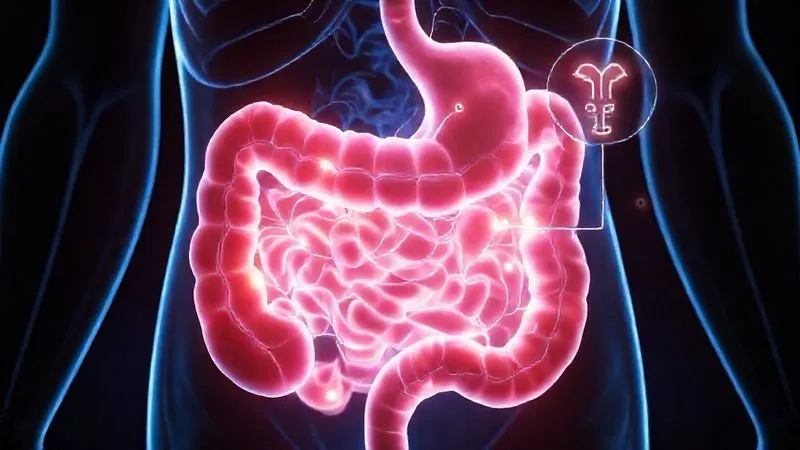
In my practice, when women present with persistent hot flashes despite conventional treatments, I often turn my attention to the gut. The connection between our gut health, brain function, and hormone balance – often termed the gut-brain-hormone axis – is a rapidly evolving area of research and a critical piece of the puzzle for many menopausal symptoms.
The 'estrobolome' is a collection of gut bacteria that produces an enzyme called beta-glucuronidase, which deconjugates (reactivates) estrogens that have been processed by the liver for elimination. If the estrobolome is out of balance (dysbiosis), it can lead to either excessive reabsorption of estrogen or inefficient elimination, contributing to hormonal fluctuations and potentially exacerbating hot flashes. An imbalanced gut can also lead to increased inflammation, which further stresses the body and can worsen menopausal symptoms.
Strategies for a Healthy Estrobolome:
- Probiotics and Prebiotics: Incorporating fermented foods (kimchi, sauerkraut, kefir) or a high-quality probiotic supplement can help rebalance the gut microbiome. Prebiotic-rich foods (onions, garlic, leeks, asparagus, bananas) feed beneficial gut bacteria.
- Fiber-Rich Diet: Adequate fiber promotes regular bowel movements, ensuring efficient elimination of processed hormones and toxins. It also supports a diverse and healthy gut microbiome.
- Reduce Inflammatory Foods: Limiting processed foods, excessive sugar, unhealthy fats, and potential food sensitivities (like gluten or dairy for some individuals) can reduce systemic inflammation and support gut healing.
- Gut Healing Nutrients: Nutrients like L-glutamine, zinc, and collagen can support the integrity of the gut lining, reducing 'leaky gut' and systemic inflammation.
Addressing gut health can be a foundational step, often yielding surprising improvements in hot flashes and overall well-being, even when standard HRT fails for severe menopausal hot flashes. It's a testament to the interconnectedness of our body systems.
Navigating the Medical Landscape: Finding the Right Specialist
The journey to finding relief when standard HRT fails for severe menopausal hot flashes can be complex. It often requires a practitioner willing to look beyond conventional protocols and delve into personalized solutions. Not all doctors have the same training or philosophy when it comes to menopause management.
It's crucial to seek out a healthcare provider who is experienced, open-minded, and committed to a comprehensive approach. Here are some types of specialists to consider:
- Menopause Specialists: These are often gynecologists or internal medicine physicians who have undergone additional training and certification in menopause management (e.g., through the North American Menopause Society - NAMS). They are up-to-date on the latest research and various HRT formulations.
- Functional Medicine Practitioners: These doctors (MDs, DOs, NDs, or PAs) focus on identifying and addressing the root causes of disease, often employing advanced diagnostic testing and personalized treatment plans that integrate lifestyle, nutrition, and targeted supplementation alongside conventional medicine. They are often excellent at uncovering the underlying imbalances discussed earlier.
- Integrative Physicians: Similar to functional medicine practitioners, integrative doctors combine conventional Western medicine with evidence-based complementary therapies. They tend to take a holistic view of health.
- Naturopathic Doctors (NDs): Licensed naturopathic doctors are trained in both conventional and natural medicine, often emphasizing lifestyle, nutrition, herbal medicine, and bioidentical hormones.
Questions to Ask Your Doctor:
- "What are your thoughts on advanced hormone testing beyond basic blood panels (e.g., salivary or DUTCH testing)?"
- "Are you open to prescribing compounded bioidentical hormones if standard HRT isn't working for me?"
- "What non-hormonal prescription options do you typically consider for severe hot flashes?"
- "How do you integrate lifestyle, nutrition, and stress management into your treatment plans for menopause?"
- "What is your experience with the gut-hormone connection in menopausal symptom management?"
Finding a practitioner who listens, validates your experience, and is willing to collaborate on a personalized plan is paramount. Don't settle for less when your well-being is at stake.
| Specialist Type | Focus Area | Pros | Cons |
|---|---|---|---|
| Menopause Specialist (NAMS-certified) | Evidence-based HRT, latest guidelines, conventional pharmacology | Deep expertise in hormonal therapies, up-to-date research | May not always delve into root cause analysis or advanced diagnostics beyond hormones |
| Functional Medicine Practitioner | Root cause analysis, advanced diagnostics (gut, adrenals, nutrients), personalized holistic plans | Comprehensive, addresses underlying imbalances, integrates lifestyle | Can be costly (often not covered by insurance), requires patient commitment to lifestyle changes |
| Integrative Physician | Combines conventional and complementary therapies, holistic approach | Bridge between conventional and alternative, broad treatment toolkit | Approach can vary widely between practitioners, may not specialize solely in menopause |
Frequently Asked Questions (FAQ)
Question? Is it possible that my body just isn't absorbing HRT effectively, and how would I know?
Detailed answer: Absolutely. I've encountered this issue many times. Factors like gut health, liver function, and even skin integrity (for transdermal methods) can impact absorption and metabolism. If you're on oral HRT, gastrointestinal issues or rapid liver metabolism can reduce its efficacy. For transdermal options, individual skin permeability varies. You might suspect poor absorption if your symptoms persist despite seemingly adequate dosing, or if your follow-up blood or salivary tests don't show the expected increase in hormone levels. A functional medicine practitioner might use advanced hormone testing like the DUTCH test to assess not just levels but also how your body is metabolizing and eliminating hormones, offering clues about absorption and utilization. Sometimes, simply switching from an oral to a transdermal patch or gel can make a profound difference.
Question? I'm concerned about the side effects of non-hormonal medications like SSRIs. Are there ways to mitigate them?
Detailed answer: It's completely valid to be concerned about medication side effects. For SSRIs and SNRIs used for hot flashes, common side effects can include nausea, dizziness, insomnia, or sexual dysfunction. Often, these side effects are dose-dependent and can lessen over time. Your doctor will typically start with a very low dose and gradually increase it to find the lowest effective dose for you, which can help mitigate adverse reactions. Taking medication with food, adjusting the timing of doses, and sometimes trying a different medication within the same class can also help. It's an ongoing dialogue with your prescribing physician to balance symptom relief with tolerability. For some, the relief from severe hot flashes outweighs the mild side effects.
Question? Can stress really make hot flashes that much worse, even if I'm on HRT?
Detailed answer: Yes, absolutely. Stress is a powerful physiological modulator. When you're under chronic stress, your adrenal glands produce more cortisol. This can create a 'steal' phenomenon where precursors for sex hormones are shunted towards cortisol production. Moreover, the sympathetic nervous system, activated by stress, directly impacts the thermoregulatory center in the brain, potentially lowering the 'set point' for sweating and flushing. So, even with HRT providing exogenous hormones, a highly stressed system can override some of its benefits, leading to breakthrough hot flashes. This is why comprehensive stress management techniques – from mindfulness to adaptogenic herbs – are critical components of a holistic treatment plan.
Question? What's the role of diet in managing severe hot flashes when HRT isn't enough?
Detailed answer: Diet plays a surprisingly significant role. Beyond avoiding common triggers like spicy foods, caffeine, and alcohol, a foundational diet focused on whole, unprocessed foods can stabilize blood sugar, reduce inflammation, and support gut health. An imbalanced gut microbiome can impair estrogen metabolism and elimination, potentially contributing to persistent symptoms. Phytoestrogen-rich foods (flaxseeds, legumes) can offer mild estrogenic support for some women. Crucially, a nutrient-dense diet ensures your body has the building blocks for hormone synthesis and neurotransmitter function, which are essential for thermoregulation. It's not a magic bullet, but it's a powerful supportive strategy.
Question? If I've tried everything and still have severe hot flashes, what's my next step?
Detailed answer: If you feel you've exhausted all avenues, it's time for a re-evaluation with a highly specialized practitioner – ideally a NAMS-certified menopause specialist or a functional/integrative medicine doctor who is accustomed to complex cases. They can review all your diagnostics, treatment history, and lifestyle factors with fresh eyes. Sometimes, it's a subtle adjustment in hormone ratios, a deep dive into an overlooked gut imbalance, or the introduction of a therapy you hadn't considered. It's also important to ensure there isn't another underlying medical condition mimicking or exacerbating your symptoms. Never give up on finding relief; persistent hot flashes are a treatable problem.
Key Takeaways and Final Thoughts
Navigating severe menopausal hot flashes, especially when standard HRT fails, can feel like an uphill battle. But as an expert in this field, I want to assure you that there are always more strategies, more insights, and more avenues to explore. Your experience is unique, and your solution should be too.
- Go Beyond Standard Diagnostics: Don't settle for basic blood tests. Advanced hormone panels (salivary, DUTCH), thyroid, adrenal, and gut microbiome analyses can reveal hidden culprits.
- Personalize Hormonal Strategies: If standard HRT isn't working, explore compounded bioidentical hormones and different delivery methods tailored to your body's specific needs.
- Consider Non-Hormonal Options: SSRIs, SNRIs, gabapentin, and clonidine offer proven relief for many women who cannot or choose not to use HRT.
- Embrace Lifestyle as Medicine: Dietary changes, stress reduction, appropriate exercise, and optimizing sleep are powerful tools that can significantly reduce hot flash severity.
- Explore Complementary Therapies: Acupuncture and Cognitive Behavioral Therapy (CBT) have strong evidence for managing hot flashes and improving quality of life.
- Heal Your Gut: The estrobolome's role in estrogen metabolism is crucial; a healthy gut can profoundly impact hormone balance and symptom relief.
- Find the Right Expert: Seek out a menopause specialist, functional medicine, or integrative practitioner who is willing to partner with you on a comprehensive, personalized plan.
Remember, your journey through menopause is deeply personal. Don't be afraid to advocate for yourself, seek second opinions, and explore all available options. With a systematic, informed, and holistic approach, relief from severe menopausal hot flashes is not just a possibility – it's an attainable goal. You deserve to live this phase of your life with comfort and vitality.
Recommended Reading
- 7 Steps: Designing Engaging Wellness for Diverse Workforces
- Ease Night Sweats During Menopause: Your Ultimate Relief Guide
- 5 Gut-Friendly Ways to Treat Athlete Iron Deficiency (No Distress!)
- 5 Expert Strategies: Navigating Perimenopausal Hormone Swings Effectively
- 7 Key Steps: Identify Biomechanical Risk Factors for Joint Injury





0 Comentários: