 By
By 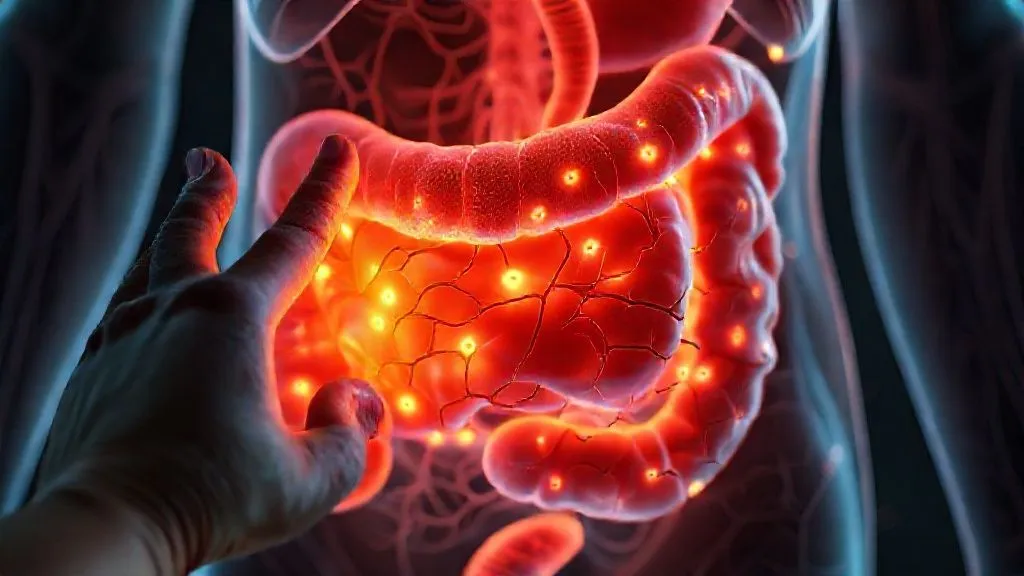
How to solve chronic gut inflammation unresponsive to diet?
For over 15 years in the field of clinical nutrition and functional gut health, I've witnessed countless individuals embark on rigorous dietary protocols, meticulously eliminating trigger foods, yet still grapple with persistent, debilitating gut inflammation. It's a frustrating, often isolating experience when the very first line of defense – diet – seems to fall short.
The problem isn't always a lack of effort; it's often a lack of understanding regarding the deeper, systemic drivers of inflammation that extend far beyond what’s on your plate. Many of my clients come to me feeling defeated, convinced their bodies are simply 'broken' because standard advice hasn't worked.
But I assure you, your body isn't broken. It's sending a message. In this definitive guide, I'll share advanced, research-backed strategies and a comprehensive framework to help you understand and finally begin to solve chronic gut inflammation unresponsive to diet. We'll explore hidden triggers, precision testing, targeted interventions, and lifestyle shifts that I've seen deliver profound results in even the most stubborn cases.
The Frustration of Unresponsive Gut Inflammation: A Deeper Look
When you've diligently followed an anti-inflammatory diet – be it Paleo, FODMAP, AIP, or something similar – and your symptoms of bloating, pain, irregular bowel movements, and fatigue persist, it's natural to feel disheartened. This often signals that dietary factors, while important, are not the sole or primary drivers of your chronic gut inflammation.
In my practice, I've observed that many persistent cases stem from a confluence of factors: environmental exposures, chronic infections, unmanaged stress, immune dysregulation, and even genetic predispositions. These elements create a complex biochemical landscape where the gut’s delicate ecosystem is under constant assault, making it incredibly difficult for even the most pristine diet to make a significant impact.
“True healing of chronic gut inflammation unresponsive to diet requires a detective's mindset, looking beyond the obvious to uncover the hidden systemic imbalances that fuel the fire.”
Understanding this complexity is the first step towards a more effective solution. It moves us away from a 'one-size-fits-all' dietary approach to a personalized strategy that addresses your unique physiological blueprint.
Strategy 1: Unearthing Hidden Triggers Beyond Food
When diet isn't enough, we must broaden our scope. I've found that many hidden triggers act as constant irritants, perpetuating inflammation regardless of food choices.
Environmental Toxins and Heavy Metals
We live in an increasingly toxic world, and our gut is often the first line of defense against these assaults. Exposure to pesticides, plastics (BPA/phthalates), mold toxins (mycotoxins), and heavy metals (mercury, lead, cadmium) can wreak havoc on gut integrity and immune function.
- Testing for Exposure: Consider specialized tests such as urinary mycotoxin panels, heavy metal panels (hair, blood, or urine provocation tests), and environmental toxin screens. These can pinpoint specific culprits.
- Reducing Exposure: Implement practical steps like filtering your water, choosing organic foods, avoiding plastic food containers, ensuring good ventilation to prevent mold, and using air purifiers.
- Supporting Detoxification Pathways: Focus on nutrient-rich foods that support the liver (cruciferous vegetables, sulfur-rich foods), ensure adequate hydration, and consider binders like activated charcoal or bentonite clay under professional guidance.
Chronic Infections and Dysbiosis
The gut microbiome is a bustling city, and sometimes unwanted residents or an imbalance in the population can drive inflammation. This includes:
- Pathogenic Bacteria: H. pylori, C. difficile, Yersinia, or other opportunistic bacteria.
- Small Intestinal Bacterial Overgrowth (SIBO): An excess of bacteria in the small intestine.
- Fungal Overgrowth: Candida species are a common culprit.
- Parasites: Giardia, Blastocystis hominis, Dientamoeba fragilis, often acquired through contaminated food or water.
These infections can damage the gut lining, produce inflammatory compounds, and disrupt nutrient absorption. Addressing them often requires targeted antimicrobial or antifungal protocols, followed by strategies to restore beneficial bacteria.
Stress and the Gut-Brain Axis
The connection between our brain and gut is profound. Chronic stress, anxiety, and trauma can significantly impact gut motility, permeability (leading to 'leaky gut'), and the composition of the microbiome. The gut-brain axis is a bidirectional highway, and psychological stress can directly fuel gut inflammation.
As Harvard Health Publishing often emphasizes, managing stress isn't just about feeling better; it's a critical component of gut healing. Techniques like mindfulness meditation, deep breathing exercises, yoga, and spending time in nature can significantly calm the nervous system and reduce inflammation.
Strategy 2: Precision Testing and Personalized Protocols
Guesswork is not a strategy when it comes to chronic gut inflammation. My experience has shown that advanced, functional testing is paramount to truly solve chronic gut inflammation unresponsive to diet.
Advanced Stool Analysis
Unlike conventional stool tests that only look for overt pathogens, advanced stool analyses (e.g., GI-MAP, comprehensive stool analysis with microscopy) provide a wealth of information:
- Microbiome Composition: Identifies beneficial, commensal, and pathogenic bacteria, fungi, and parasites.
- Inflammatory Markers: Measures markers like calprotectin and lactoferrin, indicating gut inflammation levels.
- Digestive Function: Assesses enzyme activity, fat absorption, and short-chain fatty acid production.
- Immune Markers: Secretory IgA levels, reflecting gut immune health.
This data allows for highly targeted interventions, rather than broad-spectrum approaches.
Organic Acids Test (OAT) and Micronutrient Panels
An OAT, performed on urine, can reveal metabolic imbalances caused by gut dysbiosis, nutrient deficiencies, or mitochondrial dysfunction. It provides insights into:
- Bacterial and Fungal Overgrowth: Specific metabolites indicate their presence.
- Neurotransmitter Imbalances: Related to gut-brain axis issues.
- Vitamin and Mineral Deficiencies: Crucial for enzyme function and detoxification.
Coupling this with comprehensive micronutrient panels helps identify deficiencies in vitamins (e.g., D, B12), minerals (e.g., zinc, magnesium), and antioxidants that are vital for immune regulation and gut repair.
Genetic Predispositions (e.g., MTHFR, HLA-DQ2/DQ8)
While genetics are not destiny, they can certainly load the gun. Certain genetic variations can influence your susceptibility to inflammation, detoxification capacity, and even immune responses to specific foods (like gluten with HLA-DQ2/DQ8). Understanding these predispositions allows for highly personalized and preventative strategies.
Here's a comparison of how different testing approaches can inform your gut healing journey:
| Test Category | Focus | Insights Provided | Actionability |
|---|---|---|---|
| Conventional | Diagnose acute disease (e.g., C. diff, H. pylori) | Limited; pathogen presence (yes/no) | Prescribe antibiotics for specific pathogens |
| Advanced Functional | Comprehensive gut ecosystem analysis, metabolic function, inflammation markers | Detailed microbiome profile, inflammatory levels, digestive function, nutrient status, toxin exposure | Personalized protocols for dysbiosis, inflammation, detoxification, nutrient repletion |
Strategy 3: Targeted Supplementation and Bioactive Compounds
Once we've identified the root causes through testing, a targeted supplementation strategy can be incredibly powerful in calming inflammation, repairing the gut lining, and rebalancing the microbiome. This isn't about taking a handful of random pills; it's about precision.
Anti-inflammatory Nutraceuticals
Specific compounds have robust scientific backing for their anti-inflammatory effects:
- Curcumin: Derived from turmeric, it's a potent anti-inflammatory agent that can modulate multiple inflammatory pathways.
- Boswellia Serrata: An Ayurvedic herb known for its ability to inhibit pro-inflammatory enzymes.
- Omega-3 Fatty Acids (EPA/DHA): Found in fish oil, these are crucial for producing anti-inflammatory prostaglandins.
- Quercetin: A flavonoid with strong antioxidant and anti-inflammatory properties, particularly beneficial for mast cell stabilization.
Gut Barrier Support
Repairing a compromised gut lining (often called 'leaky gut') is fundamental to reducing systemic inflammation. Key nutrients for this include:
- L-Glutamine: A primary fuel source for enterocytes (gut cells), essential for gut repair and integrity.
- Collagen/Gelatin: Rich in amino acids like glycine and proline, which support connective tissue health throughout the digestive tract.
- Zinc Carnosine: A unique chelate that protects and heals the gut lining, often used in cases of NSAID-induced damage.
- Slippery Elm & Marshmallow Root: Demulcent herbs that soothe and protect irritated mucous membranes.
Probiotics and Prebiotics: The Right Strains Matter
Not all probiotics are created equal, especially when trying to solve chronic gut inflammation unresponsive to diet. Generic probiotics often fall short. We need specific strains with proven anti-inflammatory effects.
- Lactobacillus plantarum, Lactobacillus rhamnosus GG, Bifidobacterium infantis: These strains have research supporting their role in reducing inflammation and improving gut barrier function.
- Saccharomyces boulardii: A beneficial yeast that helps fight pathogens, reduces inflammation, and supports gut immunity.
- Prebiotics: Fructooligosaccharides (FOS), inulin, and galactooligosaccharides (GOS) feed beneficial bacteria, but must be introduced carefully, especially in cases of SIBO.
According to a meta-analysis published in Gastroenterology Research and Practice, specific multi-strain probiotic formulations have shown significant efficacy in reducing inflammatory markers in various gut conditions.
Strategy 4: Modulating the Immune System for Gut Harmony
Chronic gut inflammation is fundamentally an immune system issue. Sometimes, the immune system becomes overactive or dysregulated, attacking harmless substances or even its own tissues. Modulating this response is key.
Low-Dose Naltrexone (LDN)
LDN is a prescription medication used off-label at very low doses (typically 1.5-4.5 mg) to modulate the immune system. It works by transiently blocking opioid receptors, leading to an upregulation of endorphin production, which in turn can have anti-inflammatory and immune-modulating effects. I've seen LDN be a game-changer for many clients with autoimmune conditions and chronic inflammatory issues, including gut inflammation.
Herbal Immunomodulators
Certain herbs can help balance an overactive immune response:
- Licorice Root: Known for its adaptogenic and anti-inflammatory properties, it can support adrenal function and gut healing.
- Cat's Claw (Uncaria tomentosa): Used traditionally for its immune-modulating and anti-inflammatory effects, particularly beneficial for gut inflammation.
Addressing Mast Cell Activation Syndrome (MCAS)
MCAS is a condition where mast cells, a type of immune cell, release excessive amounts of inflammatory mediators. This can lead to a wide range of symptoms, including chronic gut inflammation, often unresponsive to conventional treatments. MCAS can be triggered by stress, infections, toxins, and certain foods. Identifying and managing MCAS often involves specific antihistamines, mast cell stabilizers (like quercetin or cromolyn sodium), and avoiding triggers.
Strategy 5: Lifestyle Interventions for Systemic Healing
While diet, targeted supplements, and immune modulation are crucial, foundational lifestyle habits provide the scaffolding for true, lasting healing. Neglecting these areas is a common reason why chronic gut inflammation persists.
Optimizing Sleep and Circadian Rhythms
Sleep is when your body repairs and regenerates. Chronic sleep deprivation increases systemic inflammation, impairs gut barrier function, and negatively impacts the microbiome. Prioritizing 7-9 hours of quality sleep per night is non-negotiable. Establishing a consistent sleep schedule and optimizing your sleep environment are vital.
Mindfulness and Stress Reduction Techniques
As discussed earlier, the gut-brain axis is powerful. Regular practice of stress-reduction techniques helps shift your nervous system from a 'fight or flight' (sympathetic) state to a 'rest and digest' (parasympathetic) state, which is essential for gut healing. This could include:
- Daily meditation or deep breathing exercises.
- Gentle yoga or Tai Chi.
- Journaling to process emotions.
- Spending time in nature.
The Mayo Clinic consistently highlights the profound impact of stress management on overall health, including inflammatory conditions.
Movement and Exercise: The Right Kind
Regular, moderate exercise can reduce inflammation, improve gut motility, and enhance microbiome diversity. However, intense, prolonged exercise can sometimes be a stressor on an already compromised system. Focus on movement that feels good and energizing, such as walking, swimming, cycling, or strength training, rather than pushing yourself to exhaustion.
Case Study: Sarah's Breakthrough with a Holistic Approach
Case Study: How Sarah Finally Found Relief from Chronic Gut Inflammation
Sarah, a 38-year-old marketing executive, came to me after years of chronic bloating, abdominal pain, and fatigue. She had tried every restrictive diet imaginable, seen multiple gastroenterologists, and felt utterly hopeless. Her gut inflammation was truly unresponsive to diet alone.
We started with advanced testing: a comprehensive stool analysis revealed significant dysbiosis with opportunistic bacteria and low levels of beneficial species. An OAT showed markers of fungal overgrowth and impaired detoxification. We also discussed her high-stress job and poor sleep habits.
Our protocol was multifaceted: first, a targeted herbal antimicrobial phase based on her stool test results. Simultaneously, we introduced specific anti-inflammatory nutraceuticals like curcumin and L-Glutamine to support gut repair. Critically, we incorporated daily mindfulness practices and optimized her sleep hygiene, which she initially dismissed as 'fluff.'
Within 8 weeks, Sarah reported a 50% reduction in bloating and pain. After 6 months, her stool re-test showed significant improvement in microbiome balance, and her inflammatory markers had normalized. She was able to reintroduce many foods with no issues and felt a sustained level of energy she hadn't experienced in years. This holistic approach allowed her to finally solve chronic gut inflammation unresponsive to diet by addressing the underlying infections, gut barrier damage, and systemic stressors.
Navigating the Path: Working with a Functional Practitioner
Attempting to implement all these strategies on your own can be overwhelming. This is where the guidance of an experienced functional medicine practitioner or clinical nutritionist becomes invaluable. I've coached individuals through these complex protocols for years, and having an expert guide you through testing interpretation, personalized protocol design, and ongoing adjustments is critical for success.
A good practitioner will:
- Take a detailed health history and listen to your unique story.
- Recommend and interpret advanced functional lab tests.
- Develop a phased, personalized treatment plan.
- Provide ongoing support, education, and adjustments.
- Collaborate with your conventional medical team when necessary.

Frequently Asked Questions (FAQ)
How long does it take to see results when gut inflammation is unresponsive to diet? The timeline for improvement varies greatly depending on the individual's unique circumstances, the severity and duration of inflammation, and adherence to the protocol. In my experience, clients typically start noticing initial shifts within 4-8 weeks, with more significant and sustained improvements often taking 3-6 months or even longer for very complex cases. Patience and consistent effort are key.
Can I reverse chronic gut inflammation completely, even if diet hasn't helped? In many cases, yes, it is absolutely possible to significantly reduce and even resolve chronic gut inflammation, even when diet alone has proven insufficient. The strategies outlined in this article aim to address the root causes, allowing the body's natural healing mechanisms to take over. Complete reversal often means addressing all contributing factors, not just one.
What if I've tried everything on this list and still have symptoms? If you've diligently pursued these advanced strategies and still experience persistent symptoms, it's crucial to re-evaluate with your functional practitioner. This might involve exploring less common root causes (e.g., genetic methylation issues, specific immune dysregulations, neurological factors), considering additional niche testing, or even revisiting your environment for overlooked exposures. Sometimes, it's about fine-tuning or digging deeper into a previously identified issue.
Are these strategies safe to combine with conventional medicine for gut inflammation? Yes, many of these functional strategies can safely and effectively complement conventional medical treatments. In fact, an integrative approach is often the most powerful. However, it's absolutely essential to communicate openly with both your functional practitioner and your conventional doctor about all treatments and supplements you are using to ensure safety, avoid contraindications, and optimize your overall care plan. Never discontinue prescribed medications without consulting your doctor.
What's the biggest mistake people make when addressing unresponsive gut inflammation? The biggest mistake I've observed is chasing individual symptoms with isolated solutions rather than seeking to understand and address the underlying systemic imbalances. Forgetting that the body is an interconnected system, or giving up too soon because progress isn't linear, are also common pitfalls. A comprehensive, patient, and persistent approach guided by expert insight is paramount.
Key Takeaways and Final Thoughts
- Chronic gut inflammation unresponsive to diet often signals deeper, systemic issues beyond food.
- Hidden triggers like environmental toxins, chronic infections, and unmanaged stress are crucial to investigate.
- Precision testing (advanced stool, OAT, micronutrient panels) is vital for personalized protocols.
- Targeted supplementation with anti-inflammatory nutraceuticals and gut barrier support can significantly aid healing.
- Modulating the immune system through approaches like LDN or addressing MCAS can be a game-changer.
- Foundational lifestyle interventions (sleep, stress management, appropriate exercise) provide the bedrock for lasting gut health.
If you've been struggling to solve chronic gut inflammation unresponsive to diet, please know that hope is not lost. Your journey to healing may be more complex than simply changing what you eat, but it is absolutely achievable. By adopting a comprehensive, root-cause approach, guided by an experienced practitioner, you can uncover the true drivers of your inflammation and embark on a path toward lasting relief and vibrant health. Trust in your body's innate capacity to heal when given the right tools and support.
Recommended Reading
- Professionals: 7 Steps to Reverse Low T Brain Fog for Laser Focus
- Reverse Early Atherosclerosis: 7 Steps for Pre-Diabetic Adults
- 7 Proven Strategies: Boosting Patient Compliance for Critical Illness Prevention
- Correcting Severe Adult Orthodontic Relapse with Periodontal Issues: Your 7-Step Plan
- 7 Executive Strategies: Prevent Cognitive Slippage, Boost Leadership Impact






0 Comentários: