 By
By 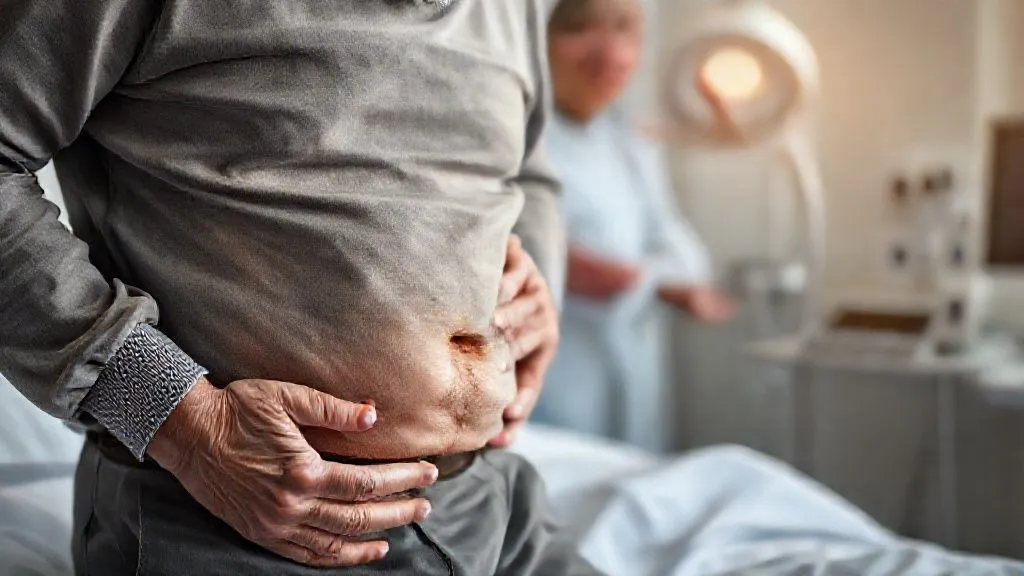
Managing Acute Urinary Retention Post-Surgery in Elderly Men?
For over two decades in the field of men's urological wellness, I've witnessed firsthand the profound impact of post-surgical complications, particularly acute urinary retention (AUR) in elderly men. It’s a challenge that, while common, is often underestimated in its potential to derail recovery and diminish quality of life. The discomfort is immediate, but the long-term implications for bladder health and independence can be far-reaching if not managed expertly.
Acute urinary retention, or AUR, is a sudden and painful inability to urinate, leading to a distended bladder. For elderly men recovering from surgery, this isn't just an inconvenience; it's a significant medical event that can cause severe pain, potential kidney damage, and increase the risk of infection. Factors like general anesthesia, pain medications, changes in mobility, and pre-existing conditions such as benign prostatic hyperplasia (BPH) all conspire to make this population particularly vulnerable.
In this comprehensive guide, I aim to equip you with not just an understanding, but also a robust, actionable framework for managing acute urinary retention post-surgery in elderly men. We’ll delve into early detection, immediate interventions, long-term strategies, and crucial preventative measures, drawing from clinical best practices and my extensive experience to ensure a smoother, safer recovery journey.
Understanding Acute Urinary Retention (AUR) in the Elderly Post-Surgery
Acute urinary retention is characterized by the sudden and often painful inability to pass urine. It's an urgent medical condition that necessitates immediate attention. While it can affect anyone, elderly men post-surgery represent a particularly high-risk group due to a confluence of physiological and iatrogenic factors.
What is AUR and Why Elderly Men Are Vulnerable?
At its core, AUR is a failure of the bladder to empty. This can be due to an obstruction in the urinary tract, a problem with bladder muscle contraction, or a combination of both. In elderly men, the most common underlying cause of obstruction is benign prostatic hyperplasia (BPH), a non-cancerous enlargement of the prostate gland that naturally occurs with age. A larger prostate can compress the urethra, making urination difficult even under normal circumstances, let alone after surgery.
Post-surgical factors significantly exacerbate this vulnerability. Anesthesia, particularly spinal or epidural anesthesia, can temporarily impair nerve signals to the bladder, reducing its ability to contract effectively. Opioid pain medications, commonly prescribed post-operatively, also have anticholinergic effects that can relax the bladder muscle and tighten the sphincter, further impeding urination. Furthermore, reduced mobility, changes in routine, and even the psychological stress of surgery can contribute to bladder dysfunction. I've often observed that patients who are reluctant to get out of bed or who find using a bedpan uncomfortable are at a higher risk, simply due to holding their urine for too long, which can overstretch the bladder and temporarily impair its function.
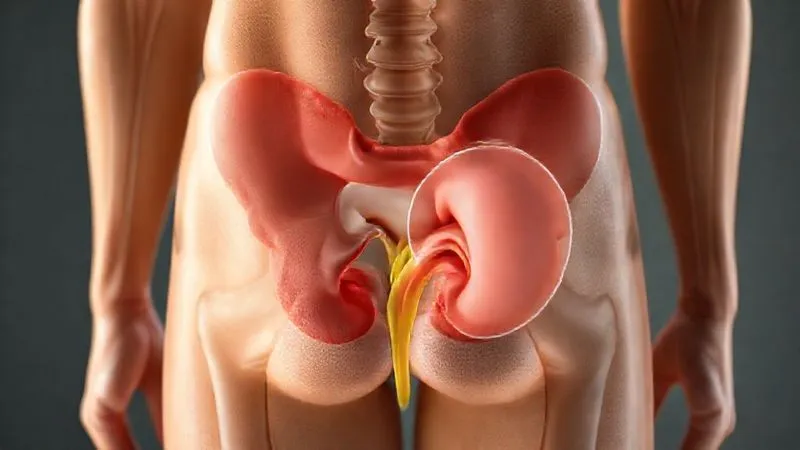
According to a study published in the National Library of Medicine, the incidence of post-operative AUR can range significantly depending on the type of surgery, patient age, and pre-existing conditions, but it remains a considerable concern for surgical teams.
Immediate Post-Operative Assessment and Early Detection
The key to successful management of post-surgical AUR lies in vigilant monitoring and swift action. Early detection not only alleviates patient discomfort but also prevents more serious complications such as bladder damage, urinary tract infections (UTIs), and even acute kidney injury.
The Role of Nursing Staff and Patient Self-Monitoring
In my experience, the nursing staff are the frontline heroes in identifying AUR. They are trained to monitor fluid intake and output, assess for bladder distension, and respond to patient complaints of lower abdominal pain or an urge to urinate without success. However, patients and their caregivers also play a crucial role in self-monitoring and communicating any symptoms promptly.
Here are actionable steps for early detection:
- Regular Bladder Scans: Post-operatively, especially after procedures known to increase AUR risk, non-invasive bladder scans should be performed regularly. These portable ultrasound devices can accurately measure bladder volume, flagging retention before symptoms become severe. A volume over 300-400 mL often indicates significant retention.
- Timed Voiding Trials: Once the initial effects of anesthesia wear off, patients should be encouraged to attempt urination within a few hours. If a patient hasn't voided for 4-6 hours post-catheter removal or post-op, it's a red flag.
- Patient Education: Educate the patient and their family about the symptoms of AUR: inability to urinate, severe lower abdominal pain, a feeling of fullness in the bladder, and dribbling of urine (overflow incontinence).
- Pain Management Review: Regularly assess the patient's pain medication regimen. If opioids are contributing to retention, discuss alternative pain relief strategies with the medical team.
- Hydration and Mobility: Encourage appropriate hydration (as permitted by surgical guidelines) and early, gentle mobilization. Walking, even short distances, can stimulate bladder function.
I've seen countless times how a proactive approach, combining clinical vigilance with patient empowerment, can prevent a minor retention issue from escalating into a crisis. It's about creating a culture of awareness around urological health in the post-operative period.
Initial Management Strategies: Catheterization and Beyond
Once AUR is diagnosed, the immediate priority is to decompress the bladder. This almost invariably involves catheterization. The choice of catheter and the subsequent management strategy are critical for patient comfort and preventing complications.
Indwelling vs. Intermittent Catheterization: Making the Right Choice
The primary goal of catheterization is to relieve the bladder and alleviate pain. There are two main approaches:
- Indwelling Catheter (Foley Catheter): This catheter remains in place for an extended period, continuously draining urine into a collection bag. It's often used for patients with significant retention, those who are unable to self-catheterize, or where continuous bladder drainage is deemed necessary for a few days post-op.
- Intermittent Catheterization (IC): This involves inserting a catheter to drain the bladder and then removing it immediately. It can be performed by healthcare professionals or, for suitable patients, taught for self-catheterization. IC is often preferred for its lower risk of infection and better preservation of bladder function, especially once the patient is stable and able to participate.
| Feature | Advantages | Disadvantages |
|---|---|---|
| Indwelling Catheter | Continuous drainage, less frequent intervention, suitable for immobile patients | Higher UTI risk, can impair bladder training, restricts mobility |
| Intermittent Catheterization | Lower UTI risk, promotes bladder retraining, greater mobility | Requires frequent re-insertion, patient training needed, not suitable for all post-op patients |
"The decision between indwelling and intermittent catheterization should always be individualized, taking into account the patient's overall condition, cognitive status, mobility, and the anticipated duration of retention. My strong recommendation is to transition to intermittent catheterization as soon as clinically feasible to minimize infection risk and encourage bladder recovery."
Regardless of the type, meticulous catheter care is paramount. This includes proper hygiene, ensuring the drainage system is closed and free of kinks, and regular assessment for signs of infection. I've observed that many post-operative infections can be traced back to lapses in catheter care, highlighting the need for ongoing education for both patients and caregivers. Proper hydration is also crucial to maintain urine flow and flush the urinary system, even with a catheter in place.
Pharmacological Interventions and Adjunctive Therapies
While catheterization addresses the immediate problem, medication can play a crucial role in supporting bladder function and reducing the likelihood of recurrence once the catheter is removed. These therapies often target the underlying causes or contributing factors of AUR.
Medications to Support Bladder Function and Reduce Obstruction
For elderly men, medications primarily focus on relaxing the prostate and bladder neck to improve urine flow, or on enhancing bladder muscle contraction. Common classes include:
- Alpha-blockers (e.g., Tamsulosin, Alfuzosin): These medications relax the smooth muscles in the prostate and bladder neck, reducing obstruction and making it easier to urinate. They are often prescribed for men with BPH and can be very effective in facilitating voiding after catheter removal.
- 5-alpha-reductase inhibitors (5-ARIs) (e.g., Finasteride, Dutasteride): These drugs work by shrinking the prostate gland over time. While their onset of action is slower, they can be beneficial for long-term management of BPH, which might be a contributing factor to post-operative AUR.
- Cholinergic agents (e.g., Bethanechol): Less commonly used for AUR, these medications can stimulate bladder muscle contraction. However, their use requires careful consideration due to potential side effects and contraindications.
It's vital to remember that these medications should always be prescribed and monitored by a physician. They have potential side effects and interactions with other drugs, which are particularly relevant for elderly patients who often take multiple medications. A thorough medication review is an essential part of the management plan.
Beyond pharmaceuticals, adjunctive therapies can provide additional support. For instance, some research suggests that certain herbal remedies, such as saw palmetto, might offer mild benefits for BPH symptoms, though their efficacy in acute post-operative AUR is less established. Always discuss any herbal supplements with your doctor due to potential interactions.
Holistic Approaches: Lifestyle, Diet, and Pelvic Floor Therapy
Effective management of post-surgical AUR extends beyond medical interventions. A holistic approach that integrates lifestyle modifications, dietary considerations, and targeted physical therapy can significantly enhance recovery and long-term urological health. This is where the patient truly becomes an active participant in their own healing process, which I've found to be incredibly empowering.
Hydration, Nutrition, and Gentle Movement for Recovery
Proper hydration is a delicate balance. While excessive fluid intake can overdistend an already compromised bladder, inadequate hydration can lead to concentrated urine, increasing the risk of UTIs and bladder irritation. The goal is consistent, moderate fluid intake throughout the day. Water is always the best choice, but herbal teas (non-caffeinated) can also be beneficial. Avoid:
- Caffeine: A diuretic and bladder irritant that can exacerbate urgency and frequency.
- Alcohol: Also a diuretic and can interfere with bladder muscle function.
- Spicy Foods and Acidic Beverages: Can irritate the bladder lining.
- Artificial Sweeteners: Some individuals report increased bladder sensitivity with these.
A balanced diet rich in fiber can prevent constipation, which is a common post-operative issue that can put pressure on the bladder and hinder urination. Fresh fruits, vegetables, and whole grains are excellent choices. Gentle movement, as soon as medically cleared, is also vital. Walking helps stimulate bowel and bladder function, improves circulation, and aids overall recovery. Even simple leg exercises in bed can make a difference.
Pelvic floor therapy, often guided by a specialized physical therapist, can be incredibly beneficial. These exercises, commonly known as Kegels, strengthen the muscles that support the bladder and urethra. While often associated with incontinence, strong pelvic floor muscles can also help with bladder control and coordination, aiding in the complete emptying of the bladder. A therapist can teach proper technique, which is crucial for effectiveness.
Case Study: John's Journey to Recovery from Post-Op AUR
John, an 82-year-old retired engineer, underwent a successful total hip replacement. Post-operatively, despite initially voiding, he developed acute urinary retention on day two, experiencing severe lower abdominal pain and an inability to urinate. A bladder scan revealed over 700 mL of urine. He was immediately catheterized, providing instant relief.
After 48 hours with an indwelling catheter, the team, under my guidance, initiated a plan. The catheter was removed, and John was started on an alpha-blocker (Tamsulosin) to relax his prostate. He was also encouraged to maintain moderate hydration, avoid caffeine, and begin gentle walking. Crucially, a urology nurse specialist taught him simple pelvic floor exercises and techniques for timed voiding, emphasizing relaxation during urination attempts. John was initially apprehensive, but his dedication paid off.
Within a week, John was voiding spontaneously, though with some residual volume. Over the next three weeks, with continued medication and diligent adherence to his lifestyle modifications and pelvic floor exercises, his residual volume steadily decreased. By his one-month follow-up, he had regained full bladder control, voiding completely and comfortably. This demonstrated the power of a multidisciplinary approach, combining immediate medical intervention with pharmacological support and patient-led holistic therapies, preventing further complications and significantly improving his post-surgical quality of life.
Preventing Recurrence and Long-Term Urological Health
The goal isn't just to manage the immediate episode of AUR, but to prevent its recurrence and foster long-term urological health for elderly men. This requires ongoing vigilance, proactive measures, and a commitment to maintaining a healthy lifestyle.
Ongoing Monitoring and Proactive Measures
Once an episode of post-surgical AUR has occurred, the risk of future retention episodes or other urological issues increases. Therefore, a proactive approach is essential:
- Regular Urological Check-ups: Annual check-ups with a urologist are highly recommended, especially for men with a history of BPH or AUR. These visits can monitor prostate health, bladder function, and overall urinary system integrity.
- Medication Review: Regularly review all medications with your doctor, including over-the-counter drugs and supplements. Many common medications (e.g., antihistamines, decongestants, certain antidepressants) can contribute to urinary retention.
- Bladder Training: For some men, bladder training techniques can help improve bladder capacity and control. This involves gradually increasing the time between voiding attempts to retrain the bladder.
- Managing Underlying Conditions: Continue to manage conditions like BPH effectively. This might involve ongoing medication or, in some cases, discussion of minimally invasive procedures or surgery for prostate reduction if conservative measures are insufficient.
- Maintain a Healthy Weight: Obesity can put pressure on the bladder and pelvic floor, potentially exacerbating urinary symptoms.
| Strategy | Benefit | Frequency |
|---|---|---|
| Regular Urological Check-ups | Early detection of prostate issues, monitoring bladder function | Annually or as directed by urologist |
| Medication Review | Identify and adjust drugs contributing to retention | With every doctor's visit, especially when new meds are introduced |
| Pelvic Floor Exercises | Strengthen bladder support, improve control | Daily, as recommended by a therapist |
| Hydration & Diet | Prevent UTIs, reduce bladder irritation, avoid constipation | Daily habit |
As Mayo Clinic emphasizes, understanding the root causes of urinary retention and addressing them proactively is crucial for sustained health. This often means working closely with your healthcare team to tailor a long-term management plan that fits your specific needs and lifestyle.
When to Seek Further Intervention: Recognizing Complications
While most cases of post-surgical AUR resolve with initial management, it's crucial for elderly men and their caregivers to recognize when further intervention is necessary. Ignoring persistent or worsening symptoms can lead to serious, even life-threatening, complications.
Warning Signs and Advanced Treatment Options
You should immediately contact your healthcare provider if you experience any of the following:
- Fever or Chills: These can indicate a urinary tract infection (UTI) or a more severe systemic infection (urosepsis), which requires urgent treatment with antibiotics.
- Persistent Pain: If bladder pain or lower abdominal discomfort continues despite catheterization or initial voiding attempts, it warrants further investigation.
- Blood in Urine (Hematuria): While sometimes benign, blood in the urine should always be evaluated to rule out infection, stones, or other serious conditions.
- Difficulty with Catheter Care: If you or your caregiver are struggling with self-catheterization or managing an indwelling catheter, seek immediate assistance to prevent complications like trauma or infection.
- Signs of Kidney Involvement: Reduced urine output (oliguria) or flank pain could indicate an impact on kidney function, which is a medical emergency.
- Recurrent Episodes of Retention: If AUR recurs frequently after catheter removal, it suggests an underlying problem that requires specialist evaluation.
In cases of recurrent or refractory AUR, a urologist will conduct a more thorough evaluation. This might include:
- Urodynamic Studies: Tests that assess bladder and sphincter function during filling and emptying.
- Cystoscopy: A procedure where a thin, lighted scope is inserted into the urethra to visualize the bladder and prostate for any blockages or abnormalities.
- Imaging Studies: Ultrasounds, CT scans, or MRIs to get a detailed view of the urinary tract and surrounding structures.
Depending on the findings, advanced treatment options could range from minimally invasive procedures to address BPH (e.g., UroLift, Rezum, TURP) to more complex surgeries for strictures or other anatomical issues. The American Urological Association (AUA) provides comprehensive guidelines for the diagnosis and treatment of various urological conditions, which healthcare providers adhere to. My advice is always to seek expert urological opinion if you suspect ongoing issues; early intervention can often prevent more invasive treatments down the line.
Frequently Asked Questions (FAQ)
Q: How long does acute urinary retention typically last after surgery in elderly men? A: The duration varies greatly. For many, it's a temporary issue resolving within a few days to a week post-catheterization and with medication. However, if underlying conditions like severe BPH are significant, or if there's nerve damage from surgery, it can be prolonged, sometimes requiring weeks or even months of management. Early and comprehensive intervention is key to shortening this period.
Q: Is it normal to have some difficulty urinating even after the catheter is removed? A: Yes, it is quite common to experience some hesitancy, a weaker stream, or a feeling of incomplete emptying immediately after catheter removal. The bladder muscles and nerves need time to "wake up" and regain full function. This usually improves over a few days. However, if symptoms worsen or you cannot void at all, contact your doctor immediately.
Q: Can post-surgical urinary retention lead to permanent bladder damage? A: If left untreated for an extended period, severe and prolonged urinary retention can overstretch the bladder wall, potentially leading to permanent damage to the bladder muscle (detrusor muscle). This can result in a "flaccid" bladder that doesn't contract effectively, leading to chronic retention. This is why prompt relief of AUR is so critical.
Q: Are there any specific exercises or positions that can help with urination after surgery? A: Yes. Gentle movement and walking, if permitted, can stimulate bladder function. When attempting to urinate, try to relax your pelvic floor muscles. Sitting on the toilet, leaning slightly forward, and placing your feet flat on the floor can help align the bladder for easier emptying. Some find gentle tapping on the lower abdomen (above the pubic bone) can sometimes stimulate the bladder to contract, but always ensure this is comfortable and not painful.
Q: What are the signs of a urinary tract infection (UTI) while managing AUR? A: Signs of a UTI can include fever, chills, increased pain in the lower abdomen or back, cloudy or foul-smelling urine, and increased urgency or frequency (if you are able to void). If you have an indwelling catheter, a sudden change in urine color or smell, or pain around the catheter site, could indicate an infection. Always report these symptoms to your healthcare provider immediately.
Key Takeaways and Final Thoughts
Managing acute urinary retention post-surgery in elderly men is a multifaceted challenge that demands a vigilant, informed, and empathetic approach. As someone who has navigated these complexities for years, I can attest that success hinges on early detection, appropriate intervention, and a robust long-term strategy.
- Vigilance is Vital: Be proactive in monitoring for symptoms of AUR post-surgery, leveraging bladder scans and early voiding trials.
- Tailored Catheterization: Understand the options between indwelling and intermittent catheterization, favoring the latter when appropriate to minimize risks.
- Pharmacological Support: Utilize medications like alpha-blockers to aid bladder emptying, always under medical guidance.
- Holistic Healing: Embrace lifestyle adjustments, dietary considerations, and pelvic floor therapy to support bladder recovery and overall well-being.
- Preventative Mindset: Engage in regular urological check-ups and ongoing management of underlying conditions like BPH to prevent recurrence.
- Know When to Escalate: Recognize warning signs of complications and don't hesitate to seek specialist urological advice for persistent issues.
The journey to recovery from post-surgical AUR can be daunting, but with the right knowledge, support, and a proactive mindset, elderly men can navigate this challenge successfully and regain their independence. Remember, you are not alone in this; your healthcare team is your partner, and informed action is your greatest ally in achieving optimal urological health.
Recommended Reading
- Personalizing Heart Disease Prevention: 5 Key Steps for High-Risk Patients
- 7 Reasons Why Asthma Therapies Fail & Solutions for Unresponsive Patients
- Conflicting PFTs Post-Lung Transplant: 5 Expert Interpretation Strategies
- 7 Steps: Implementing Trauma-Informed Care in Maternal Settings
- Mastering Life with Benign Arrhythmias: Essential Lifestyle Adjustments








0 Comentários: