 By
By 
How to Boost Fitness Challenge Completion for Busy Clients?
For over 15 years in the dynamic world of fitness coaching and program development, I've had the privilege of working with thousands of individuals, from elite athletes to corporate executives. What I've seen countless times, and what continues to be a persistent challenge for many fitness professionals, is the struggle to maintain client engagement and completion rates for fitness challenges, especially when catering to those with demanding schedules.
The problem isn't a lack of desire or initial motivation on the client's part. It's often a fundamental disconnect between the challenge's design and the realities of a busy life. Clients juggling careers, family, and personal commitments frequently hit roadblocks, leading to frustration, self-blame, and ultimately, dropping out. This cycle not only disappoints the client but also impacts a coach's reputation and business sustainability.
But what if there was a strategic, empathetic, and highly effective way to design and deliver fitness challenges that truly resonate with busy clients? This isn't about magical shortcuts; it’s about understanding their unique pain points and crafting solutions that fit seamlessly into their lives. In this definitive guide, I'll share actionable frameworks, real-world insights, and expert strategies to dramatically improve how to boost fitness challenge completion for busy clients, transforming their experience and your business.
Understanding the 'Busy Client' Mindset: Beyond Just Time Constraints
When we talk about "busy clients," it's easy to assume their primary hurdle is simply a lack of time. While time scarcity is undoubtedly a significant factor, my experience has taught me that the challenges run far deeper, touching on psychological, emotional, and logistical complexities. To truly help them succeed, we must first understand the multifaceted nature of their 'busyness.'
The Psychological Hurdles of the Overwhelmed Professional
Busy clients often grapple with more than just a packed calendar. They face:
- Decision Fatigue: Their daily lives are a constant stream of high-stakes decisions. Adding another complex set of choices about workouts, meals, and tracking can feel overwhelming, leading to inaction.
- Perfectionism and All-or-Nothing Thinking: High-achievers often believe if they can't do something perfectly, they shouldn't do it at all. A missed workout can derail an entire week, rather than being seen as a minor blip.
- Guilt and Self-Criticism: When they fall short, busy clients are often the hardest on themselves, viewing it as a personal failure rather than a systemic flaw in the challenge design or their support system. This guilt can be a major demotivator.
- Lack of Mental Bandwidth: Even if they have a spare 30 minutes, the mental energy required to plan, execute, and recover from a workout might feel insurmountable after a mentally draining day.
"It's not just about finding time; it's about finding the mental and emotional capacity to engage. Our role is to minimize that cognitive load."
Recognizing these underlying psychological barriers is the first critical step in designing challenges that are not only time-efficient but also emotionally intelligent and sustainable for busy individuals.
Strategy 1: Hyper-Personalization and Micro-Habits
One of the biggest pitfalls of generic fitness challenges is their one-size-fits-all approach. For busy clients, this often means trying to force a square peg into a round hole. Hyper-personalization, coupled with the power of micro-habits, is a game-changer for engagement and completion.
Crafting Challenges that Truly Fit Their Life, Not the Other Way Around
Generic challenges assume a baseline level of available time, energy, and specific preferences that simply don't exist across a diverse client base. When a challenge feels like another burden to fit into an already overflowing schedule, it's destined for failure. True personalization goes beyond just adjusting reps and sets; it delves into their lifestyle, preferences, and limitations.
Here’s how to implement hyper-personalization and micro-habits:
- Conduct a Deep-Dive Initial Assessment: Go beyond basic fitness questionnaires. Ask about their typical day, energy peaks and troughs, family commitments, work travel, preferred exercise types (even hobbies they enjoy that could be active), and their biggest time-sinks. Understand their 'why' behind wanting to complete the challenge. This forms the foundation of a truly bespoke plan.
- Break Goals Down into Atomic Micro-Habits: Instead of "workout 5 times a week," suggest "do 10 squats during your coffee break" or "walk for 15 minutes after dinner." These tiny, almost effortless actions build momentum without feeling overwhelming. The goal is consistency over intensity, especially at the start.
- Offer Flexible, Adaptive Scheduling: Provide options for different workout durations (e.g., 15-min, 30-min, 45-min versions of the same workout) and suggest 'flex days' where they can catch up or swap activities. Empower them to adjust their schedule without guilt, knowing that life happens.
- Personalized Nutrition Guidance: Instead of strict meal plans, focus on sustainable dietary swaps or single healthy additions. For instance, "add one serving of vegetables to two meals daily" rather than an entire meal overhaul.
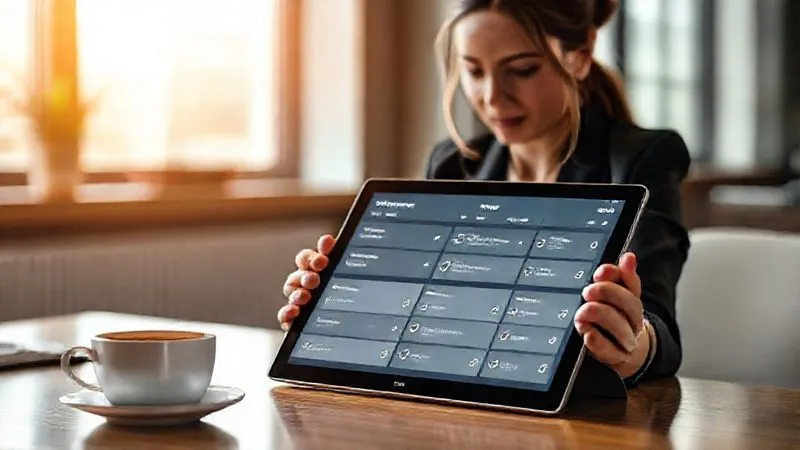
By making the challenge feel like it was designed exclusively for them, clients are far more likely to embrace it and see it through. It shifts the perception from "another thing to do" to "a tailored tool for my success."
Strategy 2: Building Unbreakable Accountability Loops
Even the most personalized plan can falter without robust accountability. For busy clients, who often have limited mental bandwidth for self-policing, external accountability is not a luxury; it’s a necessity. It provides the gentle nudge, the consistent reminder, and the human connection that can make all the difference.
The Power of Peer and Professional Support
Accountability comes in many forms, and the most effective strategies combine various layers to create a supportive net. It's about creating a system where clients feel supported, seen, and gently pushed towards their goals without feeling micromanaged.
Here’s how to create effective accountability loops:
- Implement a Strategic Buddy System: Pair clients with similar schedules or goals. The key is to facilitate this pairing thoughtfully. Encourage them to check in with each other daily or a few times a week, sharing small wins or challenges. This peer support fosters a sense of shared journey.
- Scheduled, Short, and Consistent Coach Check-ins: Instead of lengthy, infrequent calls, opt for brief, focused check-ins (e.g., 5-10 minutes) a few times a week via text, voice note, or quick video call. Focus on progress, challenges, and immediate next steps. This keeps the client top-of-mind without consuming too much of their time.
- Visual Progress Tracking and Gamified Milestones: Utilize an app or simple spreadsheet where clients can visually track their progress. Seeing a streak build or a progress bar fill up can be incredibly motivating. Celebrate micro-milestones (e.g., "First 10 workouts completed!" or "Hit 7 days of consistent hydration!").
- Pre-Emptive Problem Solving: During check-ins, actively ask about potential upcoming obstacles (e.g., "Any travel plans next week?" or "Big project deadlines coming up?"). Then, collaboratively brainstorm solutions to maintain momentum, even if it means scaling back temporarily.
Case Study: How 'Momentum Fitness' Boosted Challenge Completion by 40%
Momentum Fitness, a boutique online coaching service, struggled with client drop-off rates, particularly among its busy professional demographic. Their 6-week challenges saw only about 35% completion. By implementing a multi-layered accountability strategy, they saw a dramatic shift.
They introduced mandatory 5-minute daily check-ins via a custom app, where clients logged their single biggest fitness win for the day and one challenge. Coaches responded within 2 hours with personalized feedback or encouragement. Additionally, clients were assigned to small 'accountability pods' of 3-4 individuals who met virtually once a week for 15 minutes to share progress. Within three months, Momentum Fitness reported a 75% completion rate for their challenges, with client testimonials highlighting the "unwavering support" and "feeling of being truly seen" as key drivers of their success. This resulted in increased client retention and a significant boost in referrals.
| Accountability Method | Frequency | Pros | Cons |
|---|---|---|---|
| Coach Check-ins | Daily/Bi-weekly | Personalized feedback, expert guidance, high motivation | Can be time-intensive for coach if not streamlined |
| Peer Buddy System | Daily/Weekly | Mutual support, shared experience, less coach-dependent | Effectiveness varies by pairing, potential for mutual dropout |
| Progress Tracking App | Daily | Visual motivation, data insights, self-directed | Requires self-discipline, can feel impersonal |
| Group Challenges/Leaderboards | Ongoing | Competitive spirit, community, visible progress | Can demotivate slower progressors, focus on extrinsic rewards |
Strong accountability transforms a challenge from a solitary struggle into a supported journey, significantly improving how to boost fitness challenge completion for busy clients.
Strategy 3: Gamification and Intrinsic Motivation
While external accountability is crucial, fostering intrinsic motivation is the long-term goal. Gamification, when thoughtfully applied, can make the fitness journey more engaging, enjoyable, and self-sustaining, turning workouts into a rewarding experience rather than a dreaded chore.
Making Fitness a Rewarding Journey, Not a Chore
Many fitness challenges rely heavily on willpower, which is a finite resource, especially for busy individuals already depleted by daily demands. Gamification leverages human psychology to make the process itself more appealing, tapping into our innate desires for achievement, mastery, and social connection.
Effective gamification elements for busy clients include:
- Points and Badges for Consistency, Not Just Intensity: Award points for showing up, completing a micro-habit, tracking water intake, or getting adequate sleep. Badges can be awarded for streaks, trying new activities, or demonstrating resilience (e.g., "The Comeback Kid" for restarting after a break).
- Non-Competitive Leaderboards: Instead of ranking clients by performance, create leaderboards that celebrate cumulative effort or participation. For instance, a leaderboard showing who has accumulated the most "active minutes" or "healthy habits checked off." This focuses on individual progress within a collective environment.
- Tiered Progress and Unlockable Content: As clients hit certain milestones, "unlock" new workout variations, advanced tips, healthy recipes, or even a personalized 1-on-1 coaching session. This creates a sense of progression and reward.
- Story-Driven Challenges: Frame the challenge with a narrative. For example, "The Energy Quest" where each completed task helps them "restore" energy points. This adds an element of fun and purpose beyond just physical exertion.
According to a study published in the Journal of Medical Internet Research, gamified interventions can significantly increase physical activity levels and improve health outcomes. The key is to design gamification that emphasizes personal growth and enjoyment.
"Intrinsic motivation is the engine of long-term change. Gamification should fuel that engine, not just provide a temporary jumpstart."
By making the process itself more enjoyable and rewarding, clients are more likely to stick with it, even when their external motivation wanes. This is crucial for how to boost fitness challenge completion for busy clients.
Strategy 4: Streamlining Logistics and Reducing Friction
For busy clients, every extra step, every moment of uncertainty, and every minor inconvenience can become a reason to disengage. The goal is to make participation as effortless and seamless as possible, removing all unnecessary friction points.
Simplifying the Path to Success
Think of it like designing a frictionless user experience for an app. The easier it is to navigate, the more likely users are to stay engaged. In fitness challenges, this means minimizing decision-making, providing clear instructions, and ensuring all necessary resources are readily accessible.
Practical tips for streamlining logistics:
- Pre-Planned, Easy-Access Workouts: Provide workout plans that require minimal equipment and can be done anywhere. Offer video demonstrations for every exercise. Clearly state the duration and required equipment (or lack thereof) upfront.
- "No-Brainer" Nutrition Guides: Instead of complex recipes, offer simple meal ideas, healthy snack lists, or strategies for making healthier choices when eating out. Focus on principles rather than rigid rules.
- Centralized Communication Hub: Use a single platform (e.g., a dedicated app, a private Facebook group, or a specific email thread) for all challenge communication, resources, and updates. Avoid scattering information across multiple channels.
- Automated Reminders and Nudges: Leverage technology for gentle, timely reminders for workouts, check-ins, or habit tracking. Ensure these are customizable by the client to avoid being perceived as spam.
- Clear FAQs and Troubleshooting: Anticipate common questions and provide clear, concise answers upfront. Have a quick and reliable support channel for immediate assistance.
Every element that simplifies the client's journey contributes to higher adherence. The less mental energy they have to expend on logistics, the more they can dedicate to the actual physical and mental effort of the challenge.
Strategy 5: Adaptive Challenges and Progressive Overload (Beyond Physical)
A static challenge is a recipe for stagnation. Busy clients evolve, their schedules change, and their fitness levels improve. A truly effective challenge must be dynamic, adapting to these changes and offering new levels of engagement.
Evolving with Your Client's Journey
Progressive overload isn't just about increasing weights or reps; it's about progressively challenging clients in ways that are relevant to their holistic well-being. This means adapting the challenge as they grow, both physically and mentally.
How to design adaptive and progressively challenging programs:
- Tiered Challenges with Scalable Goals: Offer different tiers (e.g., "Beginner Boost," "Intermediate Ignite," "Advanced Ascent") that clients can move between. Each tier has slightly different expectations and goals, allowing them to progress at their own pace.
- Adjustable Intensity and Duration Options: Provide methods for clients to scale workouts up or down on any given day. This might mean offering modifications for exercises, or suggesting "express" versions of workouts for particularly hectic days.
- Focus on Non-Physical Wins: As physical habits become more engrained, introduce challenges related to sleep quality, stress management techniques, mindful eating, or mental resilience. These are crucial for long-term health and often overlooked.
- Regular Feedback Loops for Challenge Adjustment: Build in mechanisms for clients to provide feedback on the challenge itself. Are the workouts too long? Is the accountability too much or too little? Use this data to make real-time adjustments for individuals or future groups.
As noted by experts at the American Council on Exercise (ACE), effective fitness programs are not rigid but dynamic, responding to individual needs and progress. This adaptability is paramount for busy clients who need flexibility.
"The most successful challenges aren't about rigid adherence; they're about resilient adaptation. Empower clients to adjust, not abandon."
By allowing for flexibility and growth, you create a challenge that remains relevant and engaging throughout its duration, greatly influencing how to boost fitness challenge completion for busy clients.
Leveraging Technology for Seamless Integration
In today's fast-paced world, technology isn't just an accessory; it's an indispensable tool for busy clients. When strategically integrated, it can bridge gaps, provide instant feedback, and streamline the entire challenge experience.
Smart Tools for Busy Lives
The right technology can transform a good fitness challenge into an exceptional one, offering convenience, accessibility, and powerful insights that busy individuals crave. It acts as an extension of your coaching, providing support even when you can't be physically present.
Key technological integrations:
- Dedicated Challenge Apps: Utilize or recommend apps that centralize workouts, nutrition tracking, progress logging, and communication. Features like push notifications for scheduled activities, in-app messaging with coaches, and a clear dashboard for progress are invaluable.
- Wearable Device Integration: Encourage clients to use smartwatches or fitness trackers that sync with the challenge platform. This automates data collection (steps, heart rate, sleep) and provides immediate, objective feedback, reducing the manual effort for the client.
- Virtual Coaching and On-Demand Libraries: Offer live virtual workout sessions that can be joined from anywhere, or a library of on-demand workouts of varying lengths. This eliminates travel time and allows clients to fit fitness into micro-windows of opportunity.
- AI-Powered Check-ins and Feedback: While not replacing human interaction, AI tools can help with automated check-ins, answer common FAQs, or provide general motivational messages, freeing up coach time for more personalized interventions.
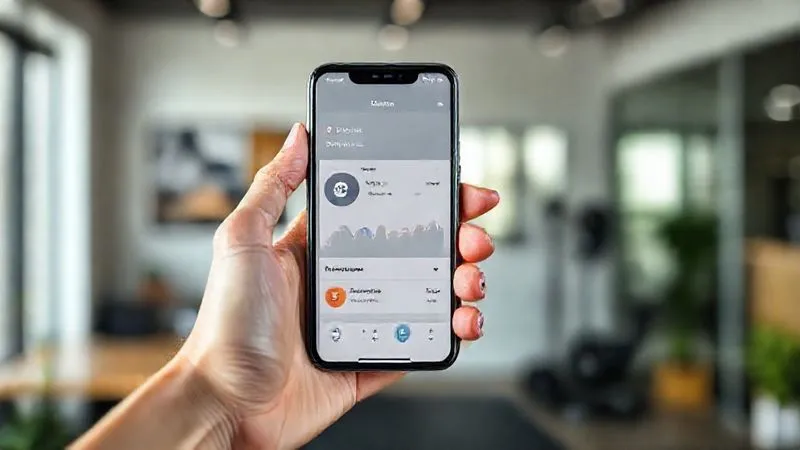
By embracing technology, you're not just offering convenience; you're providing a sophisticated support system that aligns with the digital-first habits of many busy professionals, significantly enhancing how to boost fitness challenge completion for busy clients.
Measuring Success Beyond Completion Rates
While completion rates are a key metric, they don't tell the whole story of a challenge's impact. For busy clients, success often encompasses a broader spectrum of well-being improvements. Adopting a holistic approach to measurement provides deeper insights and showcases the true value of your program.
Holistic Metrics for True Impact
Focusing solely on whether a client finished all tasks can miss the profound, subtle shifts that make a real difference in their lives. These qualitative and quantitative changes are often what busy clients value most.
Key metrics to track beyond simple completion:
- Engagement Rates: How often do clients log in, interact with the community, or respond to check-ins? High engagement often correlates with sustained habit formation.
- Qualitative Feedback and Testimonials: Regularly solicit feedback through surveys or direct questions. Ask about energy levels, stress reduction, improved sleep, mental clarity, and overall mood. These narratives are powerful indicators of success.
- Habit Adherence (Consistency over Perfection): Instead of just "did they do the workout?", track "how many times did they complete their chosen micro-habit?" or "how many days did they hit their hydration goal?" This celebrates consistency.
- Self-Efficacy Scores: Use pre and post-challenge questionnaires to gauge a client's confidence in their ability to maintain healthy habits. An increase here signifies true empowerment.
- Referral Rates: Happy, successful clients are your best advocates. A high referral rate is a strong indicator of perceived value and satisfaction.
As Harvard Business Review often emphasizes, sustainable change comes from understanding the underlying behavioral science, not just surface-level actions. Measuring these deeper impacts provides a more accurate picture of your challenge's effectiveness.
By broadening your definition of success, you not only gain a more accurate understanding of your challenge's impact but also provide busy clients with a more holistic view of their progress, which is incredibly motivating and crucial for how to boost fitness challenge completion for busy clients.
Frequently Asked Questions (FAQ)
Q: How do I handle clients who consistently miss check-ins or fall behind? A: Empathy and proactivity are key. First, reach out with a non-judgmental message, acknowledging that life gets busy and offering support. Instead of chastising, ask open-ended questions like, "What's been the biggest hurdle this week?" or "How can I best support you to get back on track?" Offer to adjust their plan or schedule a quick problem-solving call. Sometimes, a simple reminder of their 'why' or a temporary reduction in expectations can re-engage them.
Q: What's the ideal length for a fitness challenge for busy clients? A: For busy clients, shorter, focused challenges (e.g., 2-4 weeks) often yield higher completion rates, especially for initial engagement. This duration feels less daunting and allows for intense focus. For longer-term engagement, consider a series of shorter challenges, or a tiered program where clients can progress from a 4-week "kickstart" to an 8-week "deep dive," maintaining momentum without the pressure of a single, lengthy commitment.
Q: Should I offer monetary incentives or prizes for challenge completion? A: While monetary incentives can provide an initial boost, they primarily tap into extrinsic motivation, which often fades once the reward is gone. Focus instead on fostering intrinsic motivation through gamification (badges, progress unlocks), celebrating non-monetary wins, and highlighting the inherent benefits of consistency (more energy, better sleep, reduced stress). If you do offer prizes, make them relevant to health and wellness (e.g., a massage, high-quality fitness gear, a coaching extension).
Q: How important is the community aspect for busy clients, given their limited time? A: The community aspect is incredibly important, but it needs to be designed to fit their busy schedules. Instead of demanding lengthy forum participation, create opportunities for quick, meaningful interactions. This could be a dedicated chat group for quick questions and cheers, a weekly 15-minute virtual "power check-in," or a shared progress board. The goal is connection and shared motivation, not another time-consuming obligation.
Q: What if a client has a major life event (e.g., illness, family emergency, work travel) during the challenge? A: This is where flexibility and empathy truly shine. Have a clear policy for pauses or modifications. Encourage clients to communicate these events early. Offer to pause their challenge, provide modified "survival" workouts (e.g., bodyweight in a hotel room), or shift the focus to stress management and nutrition during that period. Reassure them that their progress isn't lost and that support is available to resume when they're ready. This builds immense trust and loyalty.
Key Takeaways and Final Thoughts
Boosting fitness challenge completion for busy clients isn't about pushing them harder; it's about designing smarter, more empathetic, and highly adaptable programs. It requires a shift in perspective from expecting clients to conform to your challenge, to molding your challenge to fit their lives.
- Hyper-personalize: Tailor every aspect to their unique life, not a generic ideal.
- Build robust accountability: Leverage both peer and professional support in digestible formats.
- Ignite intrinsic motivation: Use thoughtful gamification to make the journey enjoyable and rewarding.
- Streamline logistics: Remove all friction points to make participation effortless.
- Embrace adaptability: Allow challenges to evolve with your client's changing needs and progress.
- Leverage technology: Utilize smart tools for seamless integration and support.
- Measure holistically: Look beyond completion rates to track true well-being impact.
By implementing these strategies, you're not just running fitness challenges; you're cultivating a thriving community of empowered individuals who achieve sustainable results. You're building trust, fostering long-term client relationships, and establishing yourself as an expert who truly understands the complexities of modern life. Embrace this empathetic approach, and you'll not only see higher completion rates but also witness profound, lasting transformations in your clients' health and confidence. Your success, and theirs, is within reach.
Recommended Reading
- CEO Burnout: 7 Expert Strategies to Reclaim Your Edge
- Unlock Natural Heart Health After 50: The Ultimate Guide to Vitality
- 5 Natural Strategies: Professionals' Guide to Ending Mid-Night Awakenings
- Unlock Peak Performance: The Ultimate Guide to Male Endurance Supplements
- 7 Proven Strategies to Dismantle Shame in Sexual Health Education







0 Comentários: