 By
By 
Preventing In-Season Power Decline in Elite Strength Athletes?
For over two decades in elite sports performance, I've witnessed firsthand the crushing frustration athletes and coaches face when an athlete, primed and powerful in the pre-season, begins to see their strength and explosive power erode as the competitive season wears on. It's a silent threat, often masked by game-day adrenaline, but its cumulative effect can derail careers and championship hopes, costing precious wins and personal bests.
This isn't just about feeling a little tired; it's a fundamental decline in the very attributes that define an elite strength athlete: the ability to generate maximal force rapidly. The relentless demands of competition, travel, and the often-conflicting goals of in-season training can create a perfect storm, leading to overtraining, under-recovery, and ultimately, a significant drop in power output, leaving athletes feeling flat and underperforming.
But it doesn't have to be an inevitable fate. In this definitive guide, I'll share the battle-tested frameworks, strategic periodization adjustments, recovery protocols, and nutritional insights that I've personally implemented with top-tier athletes to not only mitigate but actively prevent in-season power decline. You'll gain actionable strategies to maintain peak performance when it matters most, backed by real-world application and current sports science, ensuring your athletes stay at the top of their game.
Re-evaluating In-Season Periodization: The Art of Strategic Undulation
The Myth of Constant Progression
One of the most common pitfalls I've observed is the attempt to continue a linear progression of strength and power gains once the competitive season begins. This 'more is always better' mentality, while effective in the off-season, becomes counterproductive under the added stressors of competition. The athlete's body is already under immense strain from games, travel, and psychological pressure.
Trying to continually push for new personal records in-season often leads to cumulative fatigue, increased injury risk, and ultimately, a decline in the very power you're trying to enhance. As a study published in the Journal of Strength and Conditioning Research highlights, inappropriate in-season loading is a primary contributor to performance decrement, disrupting the delicate balance between training stimulus and recovery.
Implementing Micro-Cycles for Power Maintenance
The solution lies in strategic undulating periodization, shifting the focus from 'building' to 'maintaining' and 'peaking.' This involves varying the intensity and volume of training sessions within micro-cycles (typically a week) to provide adequate stimulus without overwhelming the athlete's recovery capacity. It's about 'greasing the groove' of power, not grinding it down.
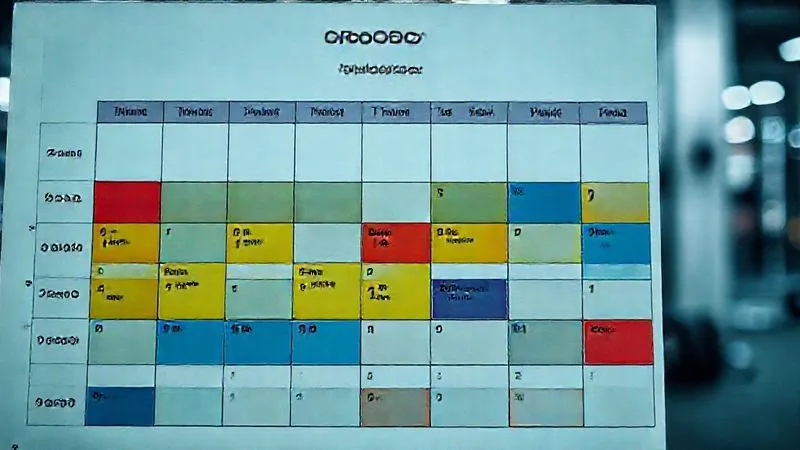
Here’s a simplified example of an in-season micro-cycle for power maintenance:
- Day 1 (Post-Game/Competition): Active recovery, low-intensity mobility, light stretching. Focus on blood flow and waste removal.
- Day 2 (Strength/Power Focus): Low-volume, high-intensity strength work (e.g., 2-3 sets of 3-5 reps at 80-85% 1RM) followed by 1-2 exercises of explosive power (e.g., 3-5 sets of 3-5 reps of plyometrics or Olympic lifts at moderate loads).
- Day 3 (Off/Travel): Complete rest or very light active recovery. Prioritize sleep and nutrition.
- Day 4 (Light Strength/Velocity Focus): Lower intensity strength work (e.g., 3 sets of 5-8 reps at 60-70% 1RM) with a strong emphasis on bar speed (velocity-based training) or light plyometrics.
- Day 5 (Pre-Game Prep): Very light activation, dynamic warm-up, short bursts of sport-specific movements.
- Day 6/7 (Game/Competition): Peak performance.
"The goal in-season isn't to chase new PRs, but to strategically remind the nervous system of its capacity for maximal force production without inducing excessive fatigue. It's about 'greasing the groove,' not grinding it down, ensuring power remains sharp and readily available."
Monitoring Load and Readiness
Effective in-season periodization relies heavily on real-time feedback. Tools like Rate of Perceived Exertion (RPE), Reps in Reserve (RIR), and Velocity-Based Training (VBT) are invaluable. They allow coaches to auto-regulate training intensity based on an athlete's daily readiness, preventing overreaching and ensuring the quality of power output remains high. This flexibility is critical for adapting to the unpredictable nature of a competitive season.
| Session Type | RPE Target | RIR Target |
|---|---|---|
| Heavy Strength | 7-8 | 2-3 |
| Power/Explosive | 5-6 | 3-4 (focus on velocity) |
| Light/Recovery | 4-5 | 4-5+ |
Optimizing Neuromuscular Fatigue Management: Beyond Just Resting
Understanding Neuromuscular Fatigue
Neuromuscular fatigue is the primary enemy of in-season power. It can manifest as central fatigue (brain's ability to activate muscles) or peripheral fatigue (muscle's ability to contract). The cumulative effect of training, competition, psychological stress, and travel can quickly lead to a state where the athlete's nervous system is simply too drained to produce maximal force rapidly. Understanding this distinction is crucial for targeted recovery.
Simply telling an athlete to 'rest' isn't enough; true recovery is an active process. It's about strategically facilitating the body's natural regenerative processes to restore optimal neuromuscular function. This involves more than just sleep, though sleep is undeniably foundational.
Active Recovery and Regeneration Protocols
Implementing targeted active recovery and regeneration protocols is paramount. These strategies aim to enhance blood flow, reduce muscle soreness, decrease inflammation, and shift the body into a parasympathetic (rest and digest) state. Consistency with these protocols throughout the season can significantly buffer the decline in power.
- Low-Intensity Cardio: Gentle cycling, swimming, or walking for 20-30 minutes helps flush metabolic waste and deliver fresh nutrients to fatigued muscles without adding significant stress.
- Foam Rolling & Myofascial Release: Targets trigger points and improves tissue quality, reducing muscle stiffness and enhancing range of motion.
- Dynamic Stretching & Mobility Work: Maintains joint health and flexibility, crucial for executing powerful movements efficiently and safely.
- Contrast Therapy: Alternating hot and cold exposure (e.g., showers or baths) can improve circulation and reduce perceived muscle soreness.
- Compression Garments: Can aid in reducing muscle oscillation during activity and promote blood flow during recovery.
For a deeper dive into the science of recovery, I often refer to comprehensive reviews like those found on PubMed Central, which offer evidence-based insights into various regeneration strategies. These methods, when applied consistently, become powerful tools in the arsenal for **Preventing in-season power decline in elite strength athletes?**.
Nutrition as a Performance Shield: Fueling for Sustained Power
Targeted Macronutrient Timing
Nutrition isn't just about fuel; it's about signaling. Every meal, every snack, is an opportunity to support recovery, reduce inflammation, and prime the body for the next high-intensity effort. In-season, the demands are constant, so fueling strategies must be precise and consistent.
- Carbohydrates: These are the primary fuel for high-intensity, powerful movements. Ensuring adequate carbohydrate intake, especially around training and competition, is critical for replenishing muscle glycogen stores. Intra-workout carbs (e.g., dextrose, cyclic dextrin) can be invaluable for sustained power during long sessions or multiple competitions.
- Protein: Constant muscle repair and synthesis are non-negotiable. Aim for 2.0-2.5 grams of protein per kilogram of body weight, distributed evenly throughout the day, particularly post-training, to optimize recovery and minimize muscle breakdown.
- Fats: Healthy fats are crucial for hormonal health, reducing inflammation, and overall well-being. Focus on sources like avocados, nuts, seeds, and fatty fish.
- Hydration & Electrolytes: Dehydration, even mild, can significantly impair power output and cognitive function. Consistent hydration with adequate electrolyte intake (sodium, potassium, magnesium) is paramount, especially in hot environments or during prolonged efforts.
"Nutrition isn't just about calories; it's about signaling. Every meal, every snack, is an opportunity to support recovery, reduce inflammation, and prime the body for the next high-intensity effort. It's the silent performance enhancer that often gets overlooked."
Strategic Supplementation for Recovery & Power
While whole foods form the foundation, strategic supplementation can offer an edge. Always prioritize quality, third-party tested products, and consider individual needs.
- Creatine Monohydrate: Remains the gold standard for enhancing power output and recovery by increasing ATP regeneration.
- Beta-Alanine: Can buffer lactic acid, improving high-intensity performance and delaying fatigue.
- Omega-3 Fatty Acids: Known for their anti-inflammatory properties, aiding in muscle recovery and joint health.
- Vitamin D: Crucial for bone health, immune function, and potentially muscle strength.
- Electrolytes: Essential for maintaining fluid balance and nerve function, particularly important during intense training and competition.
The International Society of Sports Nutrition (ISSN) provides excellent evidence-based position stands on effective and safe supplementation for athletes, which I highly recommend consulting for detailed guidance. Remember, supplements *supplement* a solid nutritional foundation; they don't replace it.
The Role of Plyometrics and Ballistics: Maintaining Explosive Qualities
Low-Volume, High-Intensity Applications
In-season, the goal for plyometrics and ballistic training shifts from building new explosive capacity to maintaining the high neural drive and rate of force development established in the off-season. This means prioritizing quality over quantity. Short, sharp bursts of plyometric movements, executed with maximal intent, are far more effective than high-volume, fatiguing sessions.
Think about exercises like low box jumps, hurdle hops, medicine ball throws, or broad jumps. These should be performed with full recovery between sets to ensure each repetition is maximally explosive. The aim is to stimulate the nervous system and maintain fast-twitch fiber recruitment without inducing significant muscle damage or systemic fatigue that would hinder subsequent performance or recovery.
Integrating Velocity-Based Training (VBT)
Velocity-Based Training (VBT) becomes an incredibly powerful tool for **Preventing in-season power decline in elite strength athletes?** by providing objective feedback on bar speed and power output. Instead of solely relying on percentages of 1RM, VBT allows coaches to prescribe training based on movement velocity, ensuring that the athlete is always working within the desired power zone.
For example, in-season, you might prescribe lifts with a target velocity range (e.g., >1.0 m/s for a squat) rather than a fixed weight. If an athlete's bar speed drops below this threshold for a given weight, it's a clear indicator of fatigue, prompting an immediate reduction in load or termination of the set. This auto-regulation prevents overtraining and ensures that every repetition contributes to maintaining explosive qualities, rather than just accumulating junk volume.

Sleep, Stress, and Psychological Resilience: The Unseen Pillars of Power
Quantifying and Improving Sleep Quality
I cannot overstate the importance of sleep. It is, without a doubt, the single most powerful recovery tool available to an athlete. During sleep, the body repairs tissues, consolidates memories, and releases crucial growth hormones. For elite strength athletes, 7-9+ hours of high-quality sleep nightly is non-negotiable for maintaining power output and cognitive function.
As research highlighted in Sleep Medicine Reviews consistently demonstrates, sleep deprivation directly impairs muscle recovery, hormonal balance, and cognitive function, all critical for power output. Implement strict sleep hygiene protocols: consistent sleep schedule, cool dark room, avoiding screens before bed, and limiting caffeine/alcohol. Utilizing wearables to track sleep quality (REM, deep sleep) can provide valuable insights for targeted interventions.
Mindfulness and Stress Reduction Techniques
The competitive season is inherently stressful. Travel, performance pressure, media scrutiny, and the physical demands all contribute to elevated cortisol levels. Chronic stress can impair recovery, increase inflammation, and negatively impact sleep, all of which chip away at an athlete's power reserves.
Incorporating mindfulness, meditation, and deep breathing exercises can significantly enhance an athlete's psychological resilience and ability to manage stress. These practices activate the parasympathetic nervous system, promoting relaxation and aiding recovery. Even 10-15 minutes daily can make a profound difference in an athlete's ability to cope with pressure and maintain mental clarity, which directly translates to physical performance.
Experts like Dr. Michael Gervais, a high-performance psychologist, often emphasize the profound impact of mindset on athletic performance and resilience, a concept often explored in resources like Psychology Today. Addressing the mental game is an essential, often overlooked, component of **Preventing in-season power decline in elite strength athletes?**.

Individualized Programming: Why One Size Never Fits All
Case Study: How Elite Sprinter, 'Apex', Maintained Peak Power
Let me tell you about 'Apex,' a national-level sprinter I worked with. His pre-season power numbers were exceptional, but traditionally, he'd see a 10-15% drop by mid-season. We implemented a highly individualized approach focused on **Preventing in-season power decline in elite strength athletes?** through precise load management and biofeedback. Instead of rigid programming, we used daily readiness questionnaires (DRQ) and morning heart rate variability (HRV) metrics to adjust his two weekly power sessions.
If his HRV was low or DRQ indicated high fatigue, his session would shift from maximal plyometrics to lighter, high-velocity movements or even an active recovery day. This dynamic adaptation, coupled with targeted nutritional support and strict sleep protocols, allowed Apex to maintain 95-98% of his peak pre-season power throughout his competitive season, culminating in a personal best at the national championships. This demonstrates the profound impact of tailoring the approach to the individual.
Adapting to Athlete Biofeedback
Every athlete responds differently to training and competition stress. Relying solely on a generic program is a recipe for disaster in-season. Coaches must become adept at interpreting both subjective and objective biofeedback to make real-time adjustments to an athlete's training load, recovery, and even nutritional strategies.
Subjective measures include:
- Daily Readiness Questionnaires (DRQ): Simple questions about mood, sleep quality, muscle soreness, and perceived stress.
- Rate of Perceived Exertion (RPE) & Reps in Reserve (RIR): During training, these help gauge the actual effort and fatigue for a given lift.
Objective measures include:
- Heart Rate Variability (HRV): A key indicator of autonomic nervous system balance, reflecting recovery status.
- Sleep Tracking: Data from wearables on sleep duration, quality, and sleep stages.
- Power Output Tests: Regular, low-fatigue tests like vertical jump height, broad jump distance, or specific sprint times can provide objective markers of power maintenance.
| Biofeedback Metric | Indication | Action |
|---|---|---|
| Morning HRV | Low - potential fatigue | Reduce volume/intensity, prioritize recovery |
| RPE on Lifts | Higher than planned for given weight | Decrease load, focus on perfect form/velocity |
| Sleep Quality | Poor/Disrupted | Implement sleep hygiene, reduce evening stimulants |
By integrating these data points, coaches can create truly individualized programs that are responsive to the athlete's unique physiological and psychological state, ensuring optimal performance and mitigating the risk of power decline.
Advanced Recovery Modalities: Leveraging Technology and Science
Cold Water Immersion vs. Active Recovery
The debate between cold water immersion (CWI) and active recovery (AR) is ongoing, and both have their place. CWI (ice baths) can be effective for acute inflammation reduction and perceived recovery, particularly immediately post-competition. However, some research suggests that frequent CWI might blunt long-term training adaptations, especially hypertrophy and strength gains, by attenuating inflammatory responses crucial for muscle signaling.
Active recovery, on the other hand, promotes blood flow, nutrient delivery, and waste removal, often leading to better long-term physiological adaptations. While cold water immersion has its place, particularly for acute inflammation, emerging research, such as articles in the European Journal of Sport Science, suggests that active recovery often yields better long-term adaptations by promoting blood flow and nutrient delivery. The choice often depends on the specific goal: immediate symptom relief versus long-term adaptation.
Percussive Therapy and Compression Garments
Modern technology offers several effective recovery modalities:
- Percussive Therapy Devices (e.g., massage guns): These devices can help reduce muscle soreness, improve range of motion, and increase local blood flow. They are excellent tools for targeting specific muscle groups and can be used pre-workout for activation or post-workout for recovery.
- Compression Garments: These can aid in reducing muscle oscillation during activity, potentially decreasing muscle damage, and promoting venous return during recovery, which helps in waste removal and reducing swelling.
- Electrical Muscle Stimulation (EMS): Used strategically, EMS can promote blood flow and muscle activation without requiring significant voluntary effort, aiding in recovery.
"Recovery is not downtime; it's an active component of performance enhancement. Investing in smart recovery strategies is as crucial as the training itself for Preventing in-season power decline in elite strength athletes?. These advanced tools, when used judiciously, can significantly bridge the gap between fatigue and peak performance."
Frequently Asked Questions (FAQ)
Q: How often should an elite strength athlete train for power in-season without overtraining? A: In my experience, 1-2 dedicated power sessions per week are optimal for maintenance, alongside 1-2 strength-focused sessions. The key is quality over quantity, focusing on low volume, high intensity, and ample recovery between sets. Daily readiness metrics and biofeedback should always guide adjustments, ensuring that the athlete is primed for each session and not accumulating excessive fatigue.
Q: Is it possible to gain strength or power during the competitive season? A: While the primary goal in-season is maintenance and peaking, marginal gains are possible, especially in athletes with less training experience or those who have optimized their recovery significantly. However, chasing significant strength or power PRs aggressively in-season often comes at the cost of increased fatigue and higher injury risk. Strategic deloads and undulating periodization are paramount, allowing for small, controlled stimuli without compromising overall performance.
Q: What are the most critical nutritional considerations for preventing power decline? A: Carbohydrate intake is paramount for fueling high-intensity efforts and replenishing glycogen stores; timing these around training is key. Adequate protein intake (2.0-2.5g/kg body weight) is crucial for muscle repair and synthesis, distributed consistently throughout the day. Hydration with electrolytes is also non-negotiable, as even mild dehydration can impair power. Don't forget healthy fats for hormonal balance and inflammation control.
Q: How can I effectively monitor an athlete's fatigue levels to prevent power decline? A: A multi-faceted approach is best. Combine subjective measures like daily readiness questionnaires (mood, sleep quality, soreness, stress levels) and RPE/RIR for training sessions, with objective metrics such as morning heart rate variability (HRV), sleep tracking data from wearables, and occasional power output tests (e.g., vertical jump, 10m sprint). Look for trends and patterns over time, not just isolated data points, to make informed programming decisions.
Q: What is the biggest mistake coaches or athletes make regarding in-season power maintenance? A: The most common mistake I've observed is treating in-season training like a continuation of off-season training – constantly pushing for progression and high volume. This often leads to cumulative fatigue, overtraining, and ultimately, a significant drop in power. The shift in mindset must be from 'building' to 'maintaining' and 'peaking,' with a hyper-focus on recovery, intelligent load management, and an individualized approach tailored to the athlete's real-time readiness.
Key Takeaways and Final Thoughts
Mastering Preventing in-season power decline in elite strength athletes? isn't a single trick; it's a sophisticated interplay of intelligent programming, meticulous recovery, precise nutrition, and unwavering psychological support. It demands a holistic, data-driven, and highly individualized approach that respects the immense demands placed on an athlete's body and mind during the competitive season.
- Strategic Periodization: Shift from constant progression to undulating maintenance, focusing on high-quality, low-volume power and strength work that respects the athlete's competitive schedule.
- Relentless Recovery: Prioritize sleep, targeted nutrition, active regeneration protocols, and stress management to effectively manage neuromuscular fatigue and accelerate physiological repair.
- Data-Driven Decisions: Utilize biofeedback (HRV, RPE, sleep data) and VBT to individualize programming and make real-time adjustments, ensuring every training session is productive and not detrimental.
- Holistic Approach: Recognize that psychological resilience and stress management are as vital as physical training; a calm, focused mind is a powerful mind.
- Individualization is King: No two athletes are identical; tailor strategies to each athlete's unique needs, responses, and competitive demands for optimal results.
As an industry specialist, I can assure you that by embracing these principles, you can empower elite athletes to not just survive the season, but to thrive, consistently delivering peak power when it matters most. It's about working smarter, recovering harder, and always putting the athlete's long-term performance and health first, ensuring they finish the season as strong as they started, or even stronger.
Recommended Reading
- Beat Jet Lag: 7 Rapid Recovery Tactics for Critical Business Trips
- Unexplained Heavy Bleeding? 6 Management Strategies You Need
- When Allergy Relief Fails: 7 Advanced Steps to Reclaim Your Breath
- Stop Upper Back Spasms: Focus Better in Client Meetings
- Unlock Your Intimacy: Essential Tips to Regain Sexual Confidence After Childbirth








0 Comentários: