 By
By 
How to Manage Persistent Hypothyroid Symptoms When TSH is Normal?
For over 15 years in the chronic health space, particularly with thyroid conditions, I've witnessed a profoundly disheartening scenario play out countless times: individuals presenting with classic hypothyroid symptoms—fatigue, brain fog, weight gain, hair loss, cold intolerance—only to be told their thyroid is 'fine' because their Thyroid Stimulating Hormone (TSH) levels fall within the 'normal' laboratory reference range. This often leaves them feeling dismissed, unheard, and increasingly desperate for answers.
This disconnect between persistent symptoms and seemingly normal lab results is not just common; it's a critical blind spot in conventional thyroid management. The standard TSH test, while a valuable screening tool, often doesn't tell the whole story of thyroid function at a cellular level. It overlooks the intricate conversions, receptor sensitivities, and systemic factors that truly dictate how your body utilizes thyroid hormones.
In this definitive guide, I will pull back the curtain on why 'normal' TSH doesn't always equate to optimal thyroid health. We'll explore the deeper physiological mechanisms at play, identify crucial markers often overlooked, and, most importantly, provide you with actionable, expert-backed strategies and a comprehensive framework to effectively manage persistent hypothyroid symptoms when your TSH is normal. My goal is to empower you with the knowledge and tools to advocate for your health and finally find the relief you deserve.
The TSH Blind Spot: Why 'Normal' Isn't Always Optimal
The TSH test measures the signal from your pituitary gland to your thyroid, not the actual amount of active thyroid hormone circulating in your system or, crucially, how well your cells are responding to it. While a TSH between 0.4-4.0 mIU/L is often considered 'normal' by many labs, I've consistently observed that many individuals feel their best when their TSH is in the lower half of that range, typically between 0.5-2.5 mIU/L. Anything higher, even if technically 'normal,' can be a sign of the thyroid struggling to keep up, or the pituitary working harder to stimulate it.
This concept of 'optimal' versus 'normal' is foundational to understanding persistent symptoms. Think of it like a car's fuel gauge: 'normal' might mean you have fuel, but 'optimal' means you have enough to drive efficiently without sputtering. Your body isn't just seeking to avoid overt disease; it's striving for peak function. When your TSH is normal but you're symptomatic, it's a strong indicator that we need to look beyond this single marker and investigate the broader metabolic landscape.
Expert Insight: "A TSH within the 'normal' range doesn't automatically rule out thyroid dysfunction at the cellular level. It's often just the tip of the iceberg, obscuring deeper issues with hormone conversion, transport, or receptor sensitivity."
Understanding Subclinical Hypothyroidism and Beyond
Sometimes, a 'normal' TSH might still be accompanied by elevated thyroid antibodies (like TPOAb or TgAb), indicating an autoimmune attack on the thyroid gland, even before TSH overtly rises. This is often the early stage of Hashimoto's thyroiditis. Additionally, conditions like 'euthyroid sick syndrome' or 'non-thyroidal illness' can cause TSH to appear normal even when the body is under significant stress, altering peripheral thyroid hormone metabolism.
The key takeaway here is that a 'normal' TSH, especially if it's trending higher within the reference range, should prompt a more thorough investigation, not a dismissal of symptoms. It's a signal to dig deeper into the actual thyroid hormones available to your cells.
Beyond TSH: A Deeper Dive into Comprehensive Thyroid Panel Markers
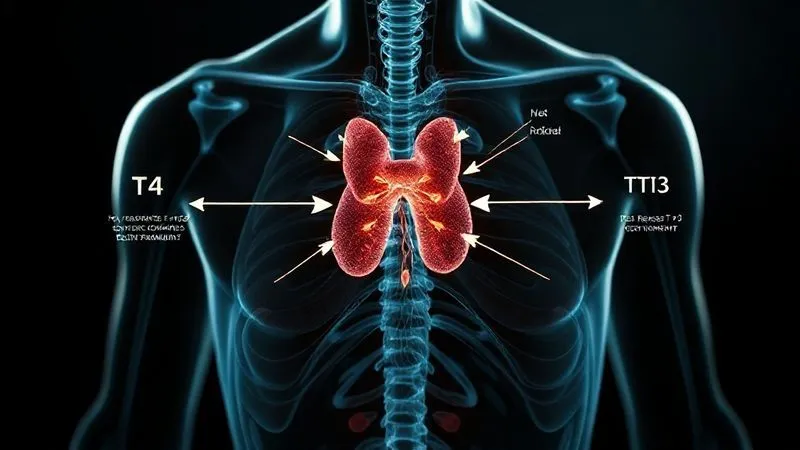
To truly understand how to manage persistent hypothyroid symptoms when TSH is normal, we must look at the entire thyroid hormone cascade. This requires a comprehensive thyroid panel, not just TSH. Here are the critical markers I always recommend my clients test:
- Free T3 (FT3): This is the active form of thyroid hormone that directly interacts with your cells. If your Free T3 is low, even with normal TSH, your cells aren't getting the thyroid hormone they need.
- Free T4 (FT4): This is the storage form of thyroid hormone. Your body converts T4 into T3. Low FT4 can indicate insufficient production or conversion issues.
- Reverse T3 (RT3): RT3 is an inactive form of T3. When your body is under stress (e.g., inflammation, chronic illness, nutrient deficiencies), it can convert too much T4 into RT3 instead of active T3. A high RT3 can effectively 'block' active T3 from binding to receptors, leading to hypothyroid symptoms despite normal TSH and even normal FT3.
- Thyroid Antibodies (TPOAb and TgAb): As mentioned, these indicate an autoimmune attack. High levels suggest Hashimoto's, which can cause fluctuating thyroid function and symptoms even with 'normal' TSH in its early stages.
Actionable Step: Request a full thyroid panel from your doctor, including TSH, Free T3, Free T4, Reverse T3, and both TPO and Tg antibodies. If your doctor is resistant, consider seeking out a functional or integrative practitioner who understands the importance of these markers.
Understanding these markers allows us to identify where the breakdown in the thyroid pathway is occurring, even when the TSH 'signal' appears normal. It's about checking the actual fuel delivery and consumption, not just the signal from the gas station.
Uncovering Root Causes: Beyond the Gland Itself
When TSH is normal but symptoms persist, the problem often lies not directly with the thyroid gland itself, but with systemic issues impacting its function or hormone utilization. In my experience, addressing these root causes is paramount for true, lasting relief.
Gut Health and Thyroid Function
The gut plays a surprisingly critical role in thyroid health. Up to 20% of T4 to T3 conversion happens in the gut, and a healthy gut microbiome is essential for this process. Conditions like leaky gut, dysbiosis, SIBO, or chronic inflammation can impair T4-T3 conversion and increase systemic inflammation, which in turn can elevate RT3. Furthermore, nutrient absorption, vital for thyroid hormone production, is compromised in an unhealthy gut.
Adrenal Health and Stress Response
Chronic stress significantly impacts thyroid function. The adrenal glands, responsible for producing stress hormones like cortisol, are intimately linked to the thyroid. High cortisol can suppress TSH production, inhibit T4 to T3 conversion, and increase Reverse T3, creating a state of 'functional hypothyroidism' even with normal TSH. This is a common pattern I observe in high-stress individuals.
Nutrient Deficiencies
Thyroid hormone production and conversion are nutrient-dependent processes. Deficiencies in key nutrients can sabotage your thyroid, regardless of TSH levels. Common culprits include:
- Selenium: Essential for T4 to T3 conversion and protecting the thyroid from oxidative damage.
- Zinc: Plays a role in TSH production and T4 to T3 conversion.
- Iodine: A building block for thyroid hormones, but excessive intake can also be problematic, especially in autoimmune thyroid disease.
- Iron: Iron deficiency can impair thyroid hormone synthesis.
- Vitamin D: Linked to immune regulation and thyroid function, particularly in autoimmune thyroid conditions.
- B Vitamins (especially B12): Important for energy production and neurological function, often deficient in those with chronic fatigue.
Inflammation and Autoimmunity
Chronic inflammation, whether from infections, food sensitivities, environmental toxins, or autoimmune conditions, can put the body in a state of 'defense,' increasing RT3 and impairing cellular thyroid hormone utilization. Managing inflammation is key.

Nutritional Strategies for Thyroid Support
Diet plays a monumental role in supporting thyroid health and alleviating symptoms, even when TSH is normal. My approach focuses on nutrient-dense, anti-inflammatory eating.
- Eliminate Inflammatory Foods: The most common culprits are gluten, dairy, soy, refined sugars, and processed foods. These can trigger inflammation and gut issues, directly impacting thyroid function. I often recommend an elimination diet to identify individual triggers.
- Prioritize Whole, Unprocessed Foods: Focus on organic vegetables (especially leafy greens and colorful varieties), fruits, lean proteins (grass-fed, pasture-raised), healthy fats (avocado, olive oil, nuts, seeds), and gluten-free grains in moderation.
- Support Gut Health: Incorporate fermented foods (kimchi, sauerkraut, kefir) for probiotics, and soluble fiber (flax seeds, chia seeds) for gut healing. Consider bone broth for its collagen and amino acids.
- Ensure Adequate Micronutrients: Focus on foods rich in selenium (Brazil nuts, sardines), zinc (oysters, pumpkin seeds), iron (red meat, lentils), and Vitamin D (fatty fish, sun exposure).
Expert Insight: "Your plate is a powerful prescription. Every meal is an opportunity to either fuel healing or feed inflammation. For thyroid health, choose wisely and consistently."
Lifestyle Adjustments for Symptom Relief
Beyond diet, critical lifestyle factors significantly influence how your body handles thyroid hormones and manages symptoms.
Stress Management
As discussed, chronic stress is a major thyroid saboteur. Implementing daily stress reduction techniques is non-negotiable. This could include:
- Mindfulness meditation or deep breathing exercises.
- Yoga or Tai Chi.
- Spending time in nature.
- Journaling.
- Prioritizing hobbies and downtime.
Actionable Step: Dedicate 15-30 minutes daily to a stress-reducing activity. Consistency is key.
Optimizing Sleep
Sleep is when your body repairs and regenerates. Poor sleep exacerbates inflammation, disrupts hormone balance (including cortisol and thyroid hormones), and worsens symptoms like fatigue and brain fog. Aim for 7-9 hours of quality, uninterrupted sleep per night.
Balanced Exercise
Regular, moderate exercise can improve energy levels, reduce stress, and support overall metabolism. However, over-exercising, especially high-intensity cardio, can be an additional stressor on the adrenals and thyroid. Focus on a mix of strength training, walking, and gentle movement like yoga.

The Role of Targeted Supplementation (with caution)
While a whole-food diet is the foundation, targeted supplementation can be incredibly beneficial to address deficiencies and support thyroid function, especially when TSH is normal but symptoms persist. However, this should always be done under the guidance of a knowledgeable practitioner.
- Selenium: 200 mcg daily can support T4-T3 conversion and reduce thyroid antibodies (if present).
- Zinc: 15-30 mg daily, often with copper to maintain balance.
- Vitamin D: Optimize levels to 50-80 ng/mL, typically requiring 2,000-5,000 IU daily, depending on baseline levels.
- B Complex: A high-quality B-complex can support energy and neurological function.
- Magnesium: Crucial for over 300 enzymatic reactions, including energy production and stress response.
- Adrenal Support Herbs: Adaptogens like Ashwagandha, Rhodiola, or Holy Basil can help the body manage stress and support adrenal function, which in turn can positively impact thyroid health.
- Probiotics: To support gut health and T4-T3 conversion.
Caution: Avoid self-prescribing iodine, especially if you have Hashimoto's, as it can sometimes worsen the condition. Always test, don't guess, and consult with a practitioner to determine appropriate dosages and avoid interactions.
Working with a Functional or Integrative Practitioner
This is perhaps the most crucial step for individuals struggling with persistent hypothyroid symptoms when TSH is normal. A functional or integrative medicine practitioner excels at looking beyond conventional 'normal' ranges and identifying the underlying imbalances. They will:
- Order comprehensive thyroid testing (as outlined above).
- Investigate gut health through stool tests or SIBO breath tests.
- Assess adrenal function via salivary cortisol tests.
- Check for nutrient deficiencies through blood work.
- Identify potential food sensitivities or environmental toxins.
- Develop a personalized treatment plan that addresses the root causes, integrating diet, lifestyle, targeted supplements, and sometimes bio-identical hormone support.
In my practice, I've seen firsthand the transformative power of this holistic approach. It moves beyond symptom management to true healing.
Case Study: Sarah's Journey to Relief
Sarah, a 42-year-old marketing executive, came to me exhausted, struggling with brain fog, and unable to lose weight despite diligent efforts. Her conventional doctor repeatedly told her, "Your TSH is 3.5 – perfectly normal." Yet, she felt anything but normal. Upon comprehensive testing, we found her Free T3 was low-normal, her Reverse T3 was elevated, and she had high TPO antibodies, indicating Hashimoto's. Further investigation revealed significant gut dysbiosis and adrenal fatigue due to chronic work stress.
We implemented a personalized plan:
- An elimination diet focusing on removing gluten and dairy.
- Targeted supplements including selenium, zinc, and a high-quality probiotic.
- Stress reduction techniques, including daily meditation and walking.
- Improved sleep hygiene.
Within three months, Sarah's energy levels dramatically improved, her brain fog lifted, and she lost 10 pounds. Her Free T3 optimized, and her Reverse T3 decreased significantly. Her TSH remained 'normal' at 2.1, but her symptoms were gone. This resulted in Sarah feeling empowered, regaining her vitality, and understanding that 'normal' lab values don't always reflect optimal health.
Thyroid Marker Conventional 'Normal' Range Optimal Range (Functional View) Why it Matters TSH (Thyroid Stimulating Hormone) 0.4 - 4.0 mIU/L 0.5 - 2.5 mIU/L Pituitary signal to thyroid; high-normal suggests struggle. Free T3 (FT3) 2.0 - 4.4 pg/mL 3.0 - 4.0 pg/mL Active hormone used by cells; low indicates cellular hypo. Free T4 (FT4) 0.8 - 1.8 ng/dL 1.1 - 1.5 ng/dL Storage hormone; precursor to T3. Low can impair conversion. Reverse T3 (RT3) 9.2 - 24.1 ng/dL < 15.0 ng/dL (ratio FT3/RT3 > 0.2) Inactive T3; high levels block active T3 at cellular level. TPO Antibodies (TPOAb) < 35 IU/mL < 9 IU/mL Indicates autoimmune attack on thyroid (Hashimoto's).
| Thyroid Marker | Conventional 'Normal' Range | Optimal Range (Functional View) | Why it Matters |
|---|---|---|---|
| TSH (Thyroid Stimulating Hormone) | 0.4 - 4.0 mIU/L | 0.5 - 2.5 mIU/L | Pituitary signal to thyroid; high-normal suggests struggle. |
| Free T3 (FT3) | 2.0 - 4.4 pg/mL | 3.0 - 4.0 pg/mL | Active hormone used by cells; low indicates cellular hypo. |
| Free T4 (FT4) | 0.8 - 1.8 ng/dL | 1.1 - 1.5 ng/dL | Storage hormone; precursor to T3. Low can impair conversion. |
| Reverse T3 (RT3) | 9.2 - 24.1 ng/dL | < 15.0 ng/dL (ratio FT3/RT3 > 0.2) | Inactive T3; high levels block active T3 at cellular level. |
| TPO Antibodies (TPOAb) | < 35 IU/mL | < 9 IU/mL | Indicates autoimmune attack on thyroid (Hashimoto's). |
Frequently Asked Questions (FAQ)
What if my doctor won't order the full thyroid panel? This is a common frustration. You have a few options: politely explain your persistent symptoms and your desire for a more comprehensive understanding. If they are still unwilling, consider seeking a second opinion from an endocrinologist, or, ideally, a functional or integrative medicine practitioner who is more accustomed to ordering these tests. You can also utilize direct-to-consumer lab testing services, though interpreting the results with an expert is always recommended.
Can I really feel better if my TSH is 'normal'? Absolutely, and I've seen it countless times. 'Normal' TSH is often a broad range, and many individuals thrive when their TSH is in the optimal range (typically 0.5-2.5 mIU/L) and their Free T3 and Free T4 are robust. More importantly, addressing underlying root causes like gut health, adrenal stress, or nutrient deficiencies, even with a technically 'normal' TSH, can dramatically improve symptoms. The goal is optimal cellular function, not just avoiding pathological TSH values.
How long does it take to see improvements? The timeline varies greatly depending on the individual, the severity of the underlying imbalances, and adherence to the protocol. Some individuals report feeling subtle improvements within a few weeks, while significant changes often take 3-6 months. Consistent effort in diet, lifestyle, and targeted supplementation is crucial for lasting results. It's a journey, not a quick fix.
Is thyroid medication ever necessary if TSH is normal but symptoms persist? In some cases, yes, particularly if Free T3 is consistently low and other root causes have been thoroughly addressed without sufficient improvement. Some functional practitioners may opt for a trial of low-dose T3 or natural desiccated thyroid (NDT) to optimize cellular T3 levels. This is a nuanced decision that should only be made in close consultation with an experienced practitioner who thoroughly understands your complete lab profile and symptom picture.
What are the most common overlooked root causes for normal TSH symptoms? In my experience, the most frequently overlooked root causes are chronic stress leading to adrenal dysfunction, significant gut dysbiosis or leaky gut, underlying chronic infections (like Epstein-Barr virus), undiagnosed food sensitivities, and pervasive nutrient deficiencies (especially selenium, zinc, and Vitamin D). These factors can profoundly impact thyroid hormone conversion and cellular utilization, regardless of TSH levels.
Key Takeaways and Final Thoughts
- 'Normal' TSH doesn't always mean optimal thyroid health; many thrive with TSH in the lower half of the reference range (0.5-2.5 mIU/L).
- Comprehensive thyroid testing, including Free T3, Free T4, Reverse T3, and thyroid antibodies, is crucial for a complete picture.
- Persistent symptoms with normal TSH often point to underlying root causes beyond the thyroid gland itself, such as gut dysbiosis, adrenal fatigue, nutrient deficiencies, or chronic inflammation.
- Implementing anti-inflammatory nutritional strategies, optimizing sleep, managing stress, and engaging in balanced exercise are foundational for symptom relief.
- Targeted supplementation can be beneficial, but always under professional guidance to avoid imbalances or adverse effects.
- Working with a functional or integrative medicine practitioner is highly recommended to uncover and address the individual root causes of your persistent symptoms.
If you've been dismissed because your TSH is 'normal' yet continue to suffer from debilitating symptoms, I want you to know that your experience is valid, and there are answers. The journey to managing persistent hypothyroid symptoms when TSH is normal requires a proactive, investigative approach, moving beyond the conventional TSH-centric view. By understanding the deeper physiology and addressing the root causes, you can absolutely regain your energy, clarity, and overall well-being. Don't stop advocating for your health; the solutions are often within reach once you know where to look. Take the first step today towards a more comprehensive understanding of your thyroid health and a life free from persistent symptoms. For more in-depth research, consider exploring studies on subclinical hypothyroidism management and the role of thyroid hormones in overall health from reputable sources like Harvard Health or the NIH. Further insights into the impact of stress on thyroid function can also provide valuable context.
Recommended Reading
- Professionals: 7 Steps to Reverse Low T Brain Fog for Laser Focus
- 5 Urgent Steps: How to Quickly Repair Severely Damaged Skin Barrier
- 5 Expert Strategies: Managing Unexplained Chronic Genital Pain
- Best Exercises After a Heart Attack: Your Complete Recovery Guide
- 5 Steps to Beat Work Stress Insomnia & Sharpen Your Focus








0 Comentários: