 By
By 
How to Manage Unrealistic Patient Expectations for Veneer Outcomes?
For over two decades in the demanding world of cosmetic dentistry, I've witnessed firsthand the profound impact of patient expectations – both met and unmet. There's a particular challenge that stands out: the delicate dance of managing patient desires for veneers, ensuring their vision aligns with what's clinically achievable and aesthetically harmonious. It's a tightrope walk between artistry, science, and human psychology, and missteps can lead to disappointment, frustration, and even damaged professional relationships.
The problem often stems from a confluence of factors: the pervasive influence of social media's 'perfect' smiles, celebrity endorsements, and perhaps, an incomplete understanding of what veneers can and cannot do. Patients arrive armed with images, often heavily filtered or surgically enhanced, envisioning a complete transformation that might defy their natural anatomy, budget, or even their long-term oral health. This gap between aspiration and reality is where the true work of a cosmetic dentist begins.
In this definitive guide, I'll share the strategies, communication frameworks, and ethical considerations I've honed over years of practice. You'll learn not just how to address unrealistic expectations, but how to proactively cultivate a foundation of trust, education, and shared understanding that leads to genuine patient satisfaction and predictable, beautiful outcomes. We'll delve into actionable steps, real-world scenarios, and the critical tools that empower you to navigate this complex terrain with confidence.
Understanding the Genesis of Unrealistic Expectations
Before we can manage expectations, we must first understand where they come from. It's rarely malice; more often, it's a blend of misinformation, hope, and the human desire for perfection. Patients are influenced by a myriad of sources, many of which lack professional oversight.
- Social Media & Influencers: The 'Instagram Smile' is a powerful, often misleading, archetype. Patients see seemingly flawless, uniform, and impossibly white veneers on public figures and believe this look is universally attainable. They rarely see the underlying dental work, the extensive preparation, or the potential compromises.
- Celebrity Culture: Hollywood smiles have always set a high bar, but with modern media, the perception of instant, dramatic transformations is amplified. Patients often bring photos of celebrities, asking for an exact replica of a smile that may not suit their facial structure or personality.
- Lack of Dental Knowledge: Many patients don't fully grasp the biological limitations of tooth structure, gum health, or occlusion. They might not understand that veneers are an additive process, not a magical eraser for severe alignment issues or underlying pathology.
- Previous Negative Experiences: Sometimes, unrealistic expectations are a defense mechanism built upon prior dental disappointments. A patient might push for extreme results, fearing another 'mediocre' outcome.
- Personal Desires & Self-Perception: For some, a new smile represents a new beginning, a boost in confidence, or a way to overcome long-standing insecurities. The emotional weight attached to this transformation can inflate expectations beyond what's reasonable.
Recognizing these sources allows us to approach the conversation with empathy and a tailored educational strategy, rather than simply dismissing their hopes.
Mastering the Initial Consultation: The Foundation of Trust
The initial consultation is arguably the most critical step in managing unrealistic patient expectations for veneer outcomes. It's not just about examining teeth; it's about deep listening, education, and building a rapport that fosters trust and open communication. I've found that allocating ample time for this first meeting is invaluable.
Step-by-Step Consultation Framework:
- Active Listening & "Dream Smile" Exploration: Begin by asking open-ended questions. "What do you dislike about your current smile?" "What would your ideal smile look like?" "What have you seen that inspires you?" Let them talk freely, and truly listen. Encourage them to bring photos. This helps you understand their underlying motivations and specific aesthetic goals.
- Thorough Clinical Examination: Conduct a comprehensive intraoral and extraoral exam. This includes periodontal health, existing restorations, occlusion, bite analysis, and overall facial symmetry. Document everything with high-quality photos and radiographs. This clinical reality check is your anchor.
- Educational "Show and Tell": This is where you bridge the gap. Use visual aids extensively.
- Intraoral Camera: Show them their own teeth in detail. Point out specific issues like wear, discoloration, or existing restorations.
- Anatomical Models: Demonstrate how veneers sit on teeth, the amount of preparation involved (or lack thereof for 'no-prep' cases), and the biological limitations.
- Before-and-After Photos (Realistic): Share a diverse portfolio of your *own* work, emphasizing cases similar to theirs, and importantly, showing a range of results – not just the "perfect" ones. Discuss how different factors (original tooth color, alignment, gum health) influenced the final outcome.
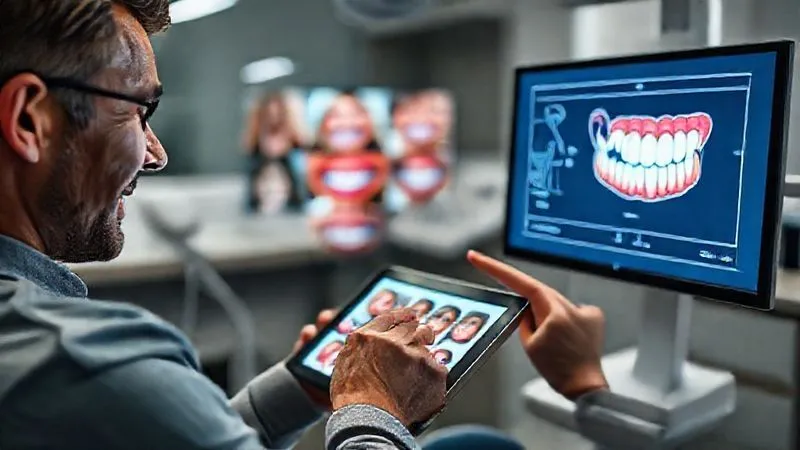
- Digital Smile Design (DSD) & Wax-Ups: This is a game-changer. Utilize DSD software to create a digital mock-up of their potential new smile, overlaid on their own facial photo. For more complex cases, a diagnostic wax-up on models allows them to physically see and even "try on" the proposed changes with a temporary mock-up. This concrete visualization is crucial.
- The "Why" Behind the "No" (or "Not Exactly"): If a patient's desired outcome is unrealistic, clearly and empathetically explain why. For example, if they want ultra-white veneers but have a naturally dark skin tone and small features, explain how that might look unnatural or disproportionate. Frame it from an aesthetic and health perspective, not a judgmental one. "While we can certainly achieve a brighter shade, an extremely bright white might clash with your natural complexion and appear less harmonious. My goal is to create a smile that enhances your natural beauty, not overwhelms it."
- Setting Clear Boundaries & Expectations for the Process: Discuss not just the outcome, but the journey. Explain the number of appointments, potential discomfort, temporary veneers, and the importance of post-op care. This transparency reduces anxiety and builds trust.
"The most effective way to manage expectations is to set them accurately and realistically from the very first interaction. It's about co-creating a vision, not just fulfilling a request."
Leveraging Visual Aids and Digital Smile Design: Bridging the Expectation Gap
As I mentioned, visual communication is paramount. Patients often struggle to visualize abstract concepts, but they respond powerfully to tangible images and models. Digital Smile Design (DSD) has revolutionized how we manage expectations, transforming a hypothetical discussion into a concrete preview.
The Power of "See Before You Treat":
- Diagnostic Wax-Ups: Before any tooth preparation, a diagnostic wax-up provides a 3D physical model of the proposed final smile. This allows patients to touch, feel, and see the changes in shape, length, and contour. It's an invaluable tool for both patient and dentist to fine-tune the design.
- Temporary Mock-Ups (Trial Smile): Taking the wax-up a step further, a temporary mock-up (often created with bis-acryl resin) can be placed directly onto the patient's unprepared teeth. This "trial smile" allows them to see the changes in their own mouth, speak, smile, and even get feedback from loved ones. This is incredibly powerful for managing expectations, as it gives them a real-world preview and allows for adjustments *before* irreversible steps are taken.
- 2D and 3D Digital Smile Design Software: Modern software allows us to manipulate patient photos to simulate veneer outcomes. We can adjust tooth shape, size, shade, and even gum contours. This visual blueprint serves as a clear communication tool between the patient, dentist, and lab technician, ensuring everyone is on the same page.
According to a study published in the Journal of Esthetic and Restorative Dentistry, patients who undergo digital smile design and trial smiles report significantly higher satisfaction levels and fewer discrepancies between their expectations and final outcomes. [Source: Journal of Esthetic and Restorative Dentistry]
| Visual Aid | Benefit for Expectation Management | Key Feature |
|---|---|---|
| Diagnostic Wax-Up | Provides a physical 3D model, allowing tactile and visual preview of shape/contour. | Before any tooth prep, patient can approve design. |
| Temporary Mock-Up (Trial Smile) | Allows patient to 'test drive' the smile in their own mouth, gather feedback. | Real-world preview, allows for adjustments before irreversible steps. |
| Digital Smile Design Software | Creates a visual blueprint from patient photos, simulating outcomes. | Facilitates communication between patient, dentist, and lab technician. |
Educating on Limitations and Potential Compromises
One of the most delicate aspects of managing unrealistic patient expectations for veneer outcomes is delivering news that their ideal vision might not be entirely achievable. This requires tact, empathy, and a strong educational foundation.
Key Areas for Education:
- Shade Selection: Patients often desire "Hollywood white" which can look unnatural. Educate them on the importance of harmonious shade selection that complements their skin tone, eye whites, and overall facial features. Use shade guides to show the spectrum and explain that there's a point where "whiter" becomes "fake."
- Tooth Shape & Size: Natural teeth are not perfectly uniform. Explain that veneers should mimic natural tooth anatomy, including slight variations, subtle incisal translucency, and appropriate proportions relative to their face. A "one-size-fits-all" approach often leads to bulky or unnatural-looking results.
- Gum Contours: Veneers can only address the tooth portion of the smile. If there are significant gum discrepancies (gummy smile, uneven gum lines), discuss whether gingival recontouring or other periodontal procedures are necessary *before* veneer placement. Managing the "pink aesthetics" is as crucial as the "white aesthetics."
- Existing Conditions: Patients with severe malocclusion, significant gaps, or active periodontal disease may require orthodontic treatment, implants, or gum therapy *before* veneers can be considered. Veneers are not a substitute for comprehensive dental health.
- Longevity & Maintenance: Veneers are durable but not indestructible. Educate on the need for meticulous oral hygiene, avoidance of hard foods, and the potential for chipping or debonding. Regular dental check-ups are essential for their longevity.
I often use analogies here. "Think of it like tailoring a suit. We want it to fit *your* unique body perfectly, not just be a generic size off the rack. An overly bright or bulky veneer would be like wearing a suit that’s two sizes too big and blindingly neon – it just won’t look right."
The Power of Phased Treatment Planning & Alternative Solutions
Sometimes, a patient's desired outcome for veneers is unrealistic because it's attempting to solve problems that veneers aren't designed for, or it's simply too much too soon. This is where phased treatment planning and offering alternative solutions become vital tools in managing unrealistic patient expectations for veneer outcomes.
Phased Approach:
Instead of an all-or-nothing approach, break down the treatment into manageable stages. This allows patients to adapt, see incremental improvements, and reassess their goals along the way.
- Initial Correction: Address foundational issues first. If a patient has significant misalignment, suggest orthodontics (clear aligners are often well-received) as a prerequisite to veneers. "By gently moving your teeth into a better position first, we can achieve a more conservative veneer preparation and a more harmonious overall result."
- Trial Period with Temporaries: After preparation, place high-quality temporary veneers. This isn't just a placeholder; it's another opportunity for the patient to "test drive" their new smile, provide feedback, and confirm their satisfaction with the shape and size before permanent veneers are fabricated.
- Gradual Shade Progression: If a patient desires an extremely white shade, suggest a slightly brighter but still natural shade first. They can live with this for a while and decide later if they want to go even brighter, though this often means replacing the veneers. This allows for a more controlled progression.
Offering Alternatives:
When veneers aren't the ideal solution, or a patient's expectations exceed what veneers can safely deliver, propose alternatives:
- Orthodontics (Clear Aligners): For alignment issues, clear aligners can often achieve significant aesthetic improvement without the need for veneers, or can minimize the number of veneers required.
- Teeth Whitening: For patients primarily concerned with shade, professional whitening is a far less invasive and more cost-effective first step.
- Bonding/Contouring: For minor chips, gaps, or shape irregularities, composite bonding or enamel contouring can provide excellent results with minimal or no tooth removal.
- Crowns: For severely damaged or structurally compromised teeth, full coverage crowns might be a more appropriate and durable solution than veneers.
Case Study: Navigating "The Perfect White"
Case Study: How Dr. Elena Transformed Patient Satisfaction with Phased Planning
Dr. Elena, a seasoned cosmetic dentist, faced a recurring challenge with patients demanding "pure white, perfectly straight" veneers, often after seeing extreme transformations online. Her practice, "Luminous Smiles," was experiencing a subtle but growing dissatisfaction rate among veneer patients who felt their results weren't "enough." By implementing a rigorous phased treatment planning and expectation management protocol, Dr. Elena saw a dramatic shift.
One particular patient, Sarah, came in requesting 10 ultra-white veneers to cover significant crowding and severe tetracycline staining. Sarah had a naturally olive skin tone and delicate facial features, making the "pure white" look potentially jarring. Instead of immediately agreeing, Dr. Elena proposed a phased approach:
- Phase 1: Clear Aligner Therapy. Dr. Elena explained that by first gently aligning Sarah's teeth, they could achieve a more conservative veneer preparation, improve gum health, and create a more harmonious foundation. Sarah was hesitant but agreed after seeing digital simulations.
- Phase 2: Internal Bleaching. After alignment, Dr. Elena performed internal bleaching on Sarah's severely stained anterior teeth. This significantly lightened the underlying tooth structure, allowing for thinner, more translucent veneers later.
- Phase 3: Diagnostic Wax-Up & Trial Smile. With her teeth aligned and lighter, a wax-up and temporary mock-up were created. Dr. Elena suggested a bright, but natural, B1 shade. Sarah wore the temporaries for a week, experiencing firsthand how the new shape and shade interacted with her face and personality. She returned thrilled, realizing the B1 shade was perfect and that the subtle individual character of the teeth made them look incredibly natural.
This resulted in Sarah being absolutely delighted with her final veneers, which were bright, beautifully shaped, and perfectly harmonious with her overall appearance. The phased approach not only managed her initial unrealistic demand for "pure white" but also empowered her to actively participate in the design process, leading to a truly co-created, satisfying outcome. Luminous Smiles reported a 25% increase in patient referrals for cosmetic cases and a significant reduction in post-treatment "tweaks" or dissatisfaction within six months of implementing this strategy.
Documentation and Informed Consent: Your Legal and Ethical Safeguard
Thorough documentation and a robust informed consent process are non-negotiable. This isn't just about protecting yourself legally; it's about solidifying the patient's understanding of what has been discussed and agreed upon. This is a critical component of how to manage unrealistic patient expectations for veneer outcomes.
Key Elements of Documentation:
- Detailed Consultation Notes: Record everything discussed: patient's initial desires, your clinical findings, proposed treatment plan, alternative options, potential risks and limitations, and specific shade/shape discussions.
- Visual Records: High-quality pre-operative photos, DSD mock-ups, wax-up photos, and photos of the temporary mock-up in the patient's mouth. These serve as objective evidence of the agreed-upon design.
- Informed Consent Form: Go beyond a generic form. Create a specific veneer consent form that details:
- The irreversible nature of tooth preparation.
- Potential for sensitivity, chipping, or debonding.
- Need for ongoing maintenance and hygiene.
- Shade and shape agreements, explicitly stating that final results are based on the approved mock-up and patient's natural tooth structure.
- A disclaimer about matching exact shades from images (e.g., celebrity photos) being impossible.
- Patient Signature: Ensure the patient signs and dates all relevant documents, confirming their understanding and agreement. Provide them with copies for their records.
As the American Dental Association (ADA) emphasizes, clear communication and comprehensive informed consent are cornerstones of ethical dental practice. [Source: American Dental Association]

Post-Treatment Care and Long-Term Expectation Management
Managing expectations doesn't end when the veneers are cemented. The post-treatment phase is equally crucial for long-term patient satisfaction and avoiding future misunderstandings. Patients need to understand that their "new smile" requires ongoing care and is subject to the normal wear and tear of life.
Key Post-Treatment Strategies:
- Detailed Oral Hygiene Instructions: Provide clear, written, and verbal instructions on how to brush, floss, and care for their veneers. Emphasize the importance of a soft toothbrush and non-abrasive toothpaste.
- Dietary Recommendations: Advise against biting into extremely hard foods (e.g., ice, hard candy, nuts, bones) or using teeth as tools, which can chip or fracture veneers.
- Nightguards/Splints: For patients with bruxism (teeth grinding or clenching), a custom-fitted nightguard is essential to protect the veneers from excessive forces.
- Regular Recall Appointments: Schedule regular check-ups and cleanings. These appointments are vital for monitoring the health of the veneers, underlying teeth, and gums. It's also an opportunity to reinforce hygiene practices and address any concerns early.
- Managing Natural Aging & Wear: Explain that veneers, while durable, are not permanent. They may need replacement after 10-15 years due to natural wear, gum recession, or changes in the surrounding dentition. This proactive discussion prevents disappointment years down the line.
I find it helpful to remind patients, "Your veneers are an investment in your smile, and like any investment, they require ongoing care and attention to maintain their beauty and longevity."
When to Say 'No' (or 'Not Yet'): Ethical and Professional Boundaries
Perhaps the most challenging aspect of managing unrealistic patient expectations for veneer outcomes is knowing when to politely, but firmly, decline treatment or suggest a different path. This requires courage, integrity, and a deep commitment to ethical practice.
Situations Where 'No' Might Be Necessary:
- Unrealistic Aesthetic Demands: If a patient insists on an aesthetic outcome that you know will look unnatural, compromise their oral health, or is simply unachievable given their anatomy, it's your professional responsibility to decline.
- Poor Oral Health: Active periodontal disease, extensive decay, or significant occlusal issues must be addressed before veneers are considered. Placing veneers on an unhealthy foundation is unethical and destined to fail.
- Inadequate Tooth Structure: If a tooth has insufficient enamel for bonding or is severely compromised, a veneer may not be the appropriate restoration.
- Patient Non-Compliance: If a patient demonstrates a consistent unwillingness to follow professional advice regarding hygiene, pre-treatment, or post-treatment care, the long-term success of veneers is jeopardized.
- Psychological Factors: In rare cases, a patient may exhibit signs of body dysmorphic disorder (BDD) or have an unhealthy obsession with their appearance that cannot be resolved with dental treatment. In such instances, referring them to a mental health professional is the most responsible course of action.
Saying 'no' can be difficult, but it protects both the patient's long-term health and your professional reputation. Explain your reasoning clearly, compassionately, and without judgment. Offer alternatives if appropriate, or explain why no dental solution is suitable at this time. Your integrity as a healthcare provider is paramount.
Frequently Asked Questions (FAQ)
Q: My friend got bright white veneers, but my dentist says that shade won't suit me. Why? A: Every individual's facial features, skin tone, and natural tooth color are unique. While a very bright shade might look great on your friend, your dentist is likely recommending a shade that harmonizes with your specific features to create a more natural and aesthetically pleasing result. An overly bright shade that doesn't match your complexion can often look unnatural or 'fake.' Your dentist's goal is to enhance your smile, not overwhelm it.
Q: I saw a celebrity with perfectly straight teeth after veneers. Can mine be exactly like that too, even though my teeth are quite crooked? A: Veneers can certainly improve the appearance of minor misalignment, but they are primarily a cosmetic solution for shape, size, and color. For significant crowding or bite issues, orthodontic treatment (like clear aligners) is usually recommended first. Trying to correct severe crookedness with veneers alone can lead to excessive tooth reduction, bulky veneers, and potential long-term issues. Your dentist can discuss a phased approach, possibly starting with orthodontics, to achieve a more ideal and healthy outcome.
Q: My dentist wants to do a 'trial smile' before making my permanent veneers. Is this really necessary? A: Absolutely, and it's a highly recommended step! A 'trial smile' (or temporary mock-up) allows you to see and feel the proposed changes in shape and size directly in your mouth before any permanent work is done. You can wear it for a few days, get feedback from family and friends, and confirm you love the design. This process is invaluable for ensuring your expectations are met and preventing any surprises with the final outcome. It's an investment in your satisfaction.
Q: How long will my veneers last, and what happens if one chips? A: With proper care, veneers can typically last 10-15 years or even longer. Their longevity depends on factors like your oral hygiene, diet, and whether you grind your teeth (in which case a nightguard is crucial). If a veneer chips or breaks, it often needs to be replaced. Minor chips can sometimes be repaired, but a significant fracture usually requires a new veneer. Regular dental check-ups are essential for monitoring their condition and addressing any issues promptly.
Q: My gums are a bit uneven. Will veneers fix that? A: Veneers primarily address the 'white' aesthetics of your teeth. While they can sometimes create the illusion of more even gum lines if the tooth length is altered, significant gum discrepancies ('gummy smile' or very uneven gum contours) usually require separate procedures. Your dentist might suggest gingival recontouring (gum reshaping) or other periodontal treatments before or in conjunction with veneers to achieve a truly harmonious smile.
Key Takeaways and Final Thoughts
Managing unrealistic patient expectations for veneer outcomes is not a one-time conversation but an ongoing process of education, communication, and trust-building. It requires a holistic approach that prioritizes both aesthetic desires and clinical realities.
- Prioritize Active Listening: Understand their desires before presenting solutions.
- Leverage Visuals: Digital Smile Design, wax-ups, and trial smiles are indispensable tools.
- Educate Proactively: Explain limitations, alternatives, and the importance of long-term care.
- Embrace Phased Planning: Break down complex cases into manageable, reviewable stages.
- Maintain Ethical Boundaries: Know when to say 'no' for the patient's best interest.
- Document Everything: Clear records and informed consent are your foundation.
By consistently applying these strategies, you not only ensure predictable and beautiful veneer outcomes but also cultivate a practice built on satisfied patients, enduring trust, and a reputation for integrity. Remember, a truly successful cosmetic case isn't just about the final smile; it's about the journey shared and the realistic expectations beautifully met. Your expertise and empathy are the most powerful tools in your arsenal.
Recommended Reading
- Unlock Your Shoulder's Freedom: The Ultimate Guide to Best Home Exercises for Frozen Shoulder Recovery
- 7 Proven Ways to Slash No-Show Rates for Preventive Health Screenings
- 7 Steps: Accurately Diagnose Male Sexual Vitality Decline Causes
- 7 Proven Strategies: Re-Engaging Type 2 Diabetes Patients in Self-Management
- Clear Executive Brain Fog: 5 Gut Repair Strategies for Peak Cognition





0 Comentários: