 By
By 
How to Reduce No-Shows for Vital Preventative Hygiene Appointments?
For over 15 years in the dental health sector, I've witnessed firsthand the profound impact that missed appointments can have on a practice. It's not just about lost revenue; it's about the erosion of patient trust, the disruption of workflow, and, most critically, the compromised oral health outcomes that result when preventative care is neglected. The frustration of seeing an empty chair in your hygiene schedule, knowing that patient needed that appointment, is a challenge many practice owners and managers grapple with daily.
The problem of no-shows for vital preventative hygiene appointments isn't merely an administrative nuisance; it's a significant barrier to delivering consistent, high-quality patient care. Each missed appointment represents a missed opportunity for early detection, a setback in maintaining oral hygiene, and a direct hit to your practice's bottom line and operational efficiency. It signals a disconnect between the patient's perceived value of the appointment and the critical importance you place on their long-term dental health.
In this comprehensive guide, I'll share my insights and battle-tested frameworks on how to reduce no-shows for vital preventative hygiene appointments. We’ll delve into the psychology behind patient commitment, explore cutting-edge communication strategies, and equip you with actionable steps and expert insights that you can implement immediately to transform your recall system and foster a culture of appointment adherence. Prepare to learn not just the 'what,' but the 'how' to create a more reliable and patient-centric practice.
Understanding the Root Causes of Missed Appointments
Before we can effectively tackle the problem of no-shows, we must first understand why patients miss their appointments in the first place. It’s rarely out of malice; more often, it stems from a combination of factors that, from the patient's perspective, outweigh the perceived necessity or convenience of attending. These factors can range from simple forgetfulness to deeper anxieties or logistical hurdles.
Common reasons include:
- Forgetfulness: Life gets busy, and without adequate reminders, appointments can easily slip from memory.
- Fear or Anxiety: Dental phobia remains a significant issue for many, leading to avoidance.
- Cost Concerns: Uncertainty about insurance coverage or out-of-pocket expenses can cause hesitation.
- Conflicting Priorities: Work, family, or other commitments often take precedence if the value of the dental appointment isn't clear.
- Lack of Perceived Value: If a patient doesn't understand the long-term benefits of preventative care, it's easier to postpone.
- Logistical Challenges: Transportation issues, childcare problems, or difficulty taking time off work.
The Psychology of Patient Commitment
At its core, reducing no-shows is about fostering patient commitment. According to the principle of commitment and consistency in social psychology, people have a deep need to be seen as consistent. Once we make a choice or take a stand, we will encounter personal and interpersonal pressures to behave consistently with that commitment. For dental appointments, this means encouraging patients to actively commit to their care.
My experience has shown that when patients actively participate in scheduling, understand the direct benefits, and feel a sense of ownership over their oral health journey, their commitment to attending appointments dramatically increases. It moves beyond a passive booking to an active decision to prioritize their health. This psychological understanding forms the bedrock of all effective no-show reduction strategies.
Optimizing Your Recall & Reminder Systems
A robust and multi-faceted recall and reminder system is the first line of defense against no-shows. It's not enough to send a single reminder; patients today are inundated with information, and a strategic, multi-channel approach is essential to cut through the noise. I’ve seen practices dramatically improve show rates simply by refining this foundational element.
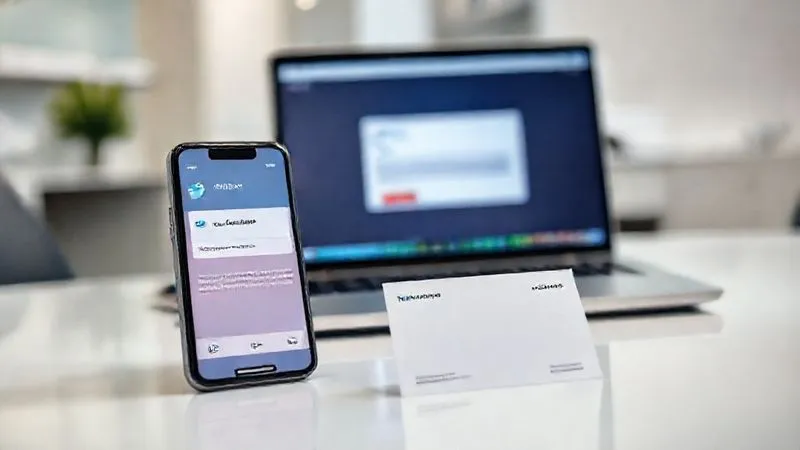
- Early Booking Reminders: When a patient schedules their next appointment, provide a physical reminder card, an immediate email confirmation, and consider a follow-up email 1-2 weeks after booking, particularly for appointments far in the future. This reinforces the commitment made at the time of booking.
- SMS & Email Automation: Implement automated text message and email reminders at strategic intervals: 2 weeks out, 3 days out, and 24 hours prior. These should be concise, clear, and offer an easy way to confirm or reschedule. Ensure your messages are mobile-friendly and accessible.
- Personalized Phone Calls: For patients identified as high-risk for no-showing (e.g., history of missed appointments, new patients, complex procedures), a personal phone call 1-2 days before the appointment can be incredibly effective. This human touch allows for questions, addresses concerns, and reinforces the relationship.
- Confirmation & Re-confirmation Options: Provide multiple ways for patients to confirm their attendance – reply to text, click a link in an email, or call the office. The easier it is, the more likely they are to engage. For unconfirmed appointments, a gentle re-confirmation request is key.
Remember, the goal is not to badger patients but to provide helpful, timely nudges that make it easy for them to remember and prioritize their appointment. Consistency across all channels is paramount.
Enhancing Patient Engagement & Education
Beyond simply reminding patients, the real power lies in engaging them and educating them on the profound value of preventative care. If a patient doesn't understand 'why' they need to come in, all the reminders in the world won't be enough. This is where your expertise truly shines.
The Value Proposition of Preventative Care
Many patients view dental hygiene appointments as a routine chore rather than a critical health investment. It's our responsibility as dental professionals to articulate the tangible benefits. This means moving beyond generic statements and explaining in clear, relatable terms how regular cleanings and check-ups prevent costly future problems, maintain overall systemic health, and contribute to a confident smile. As marketing guru Seth Godin often says, "People don't buy what you do; they buy why you do it." Apply this to preventative dentistry.
"The most effective way to reduce no-shows is to make the appointment indispensable in the patient's mind. Communicate the 'why' – the long-term health, financial, and aesthetic benefits – with unwavering clarity and empathy." - An Experienced Industry Specialist
Consider the following messaging examples to convey value:
| Scenario | Ineffective Message | Effective Message |
|---|---|---|
| Patient thinks it's just a cleaning | Time for your cleaning! | Regular hygiene appointments are your best defense against gum disease, cavities, and can even prevent serious health issues linked to oral inflammation. They save you money and discomfort in the long run! |
| Patient fears pain/discomfort | Come in for your check-up. | Our gentle hygiene team uses the latest techniques to ensure your comfort while thoroughly protecting your smile. Preventative care helps us catch small issues before they become painful problems. |
Empowering Patients with Knowledge
Use your website, social media, and in-office materials to provide educational content. Short videos explaining the link between oral health and systemic diseases, infographics on the cost savings of preventative care versus restorative treatments, or testimonials from patients who avoided major issues thanks to regular visits can be incredibly impactful. When patients feel informed and empowered, they are more likely to commit to their appointments. This builds trust and demonstrates your practice's commitment to their well-being, not just their wallet.
Implementing Flexible Scheduling & Payment Solutions
Sometimes, no-shows aren't about a lack of desire, but a lack of logistical feasibility. Modern life is demanding, and practices that offer flexibility often see higher adherence rates. I’ve observed that removing these practical barriers can significantly reduce the 'excuse factor' for missed appointments.
Adaptive Scheduling Models
Consider offering a variety of appointment times to accommodate different patient needs. This might include:
- Extended Hours: Early morning, late evening, or even Saturday appointments for those with rigid work schedules.
- Online Booking: Empower patients to book, confirm, and reschedule at their convenience, 24/7. This reduces phone tag and gives patients control.
- Shorter Appointment Slots: For routine check-ups, sometimes a slightly shorter, more focused appointment can fit into a busy schedule better.
- Family Block Appointments: Allow families to book consecutive appointments, minimizing multiple trips to the office.
Transparent Pricing & Financing Options
Financial anxiety is a silent killer of appointment adherence. Many patients will simply not show up if they are unsure about the cost or fear an unexpected bill. Be proactive in addressing this:
- Clear Communication: Discuss estimated costs and insurance benefits upfront, before the appointment.
- Payment Plans: Offer flexible payment options or third-party financing solutions.
- Membership Plans: For uninsured patients, consider in-house membership plans that make preventative care affordable and predictable.
Transparency builds trust and removes a major barrier to attendance. Patients appreciate knowing what to expect, and it empowers them to make informed decisions about their care without financial surprises leading to avoidance.
Building Strong Patient Relationships & Trust
At the heart of every successful dental practice is a foundation of strong patient relationships. When patients feel valued, heard, and cared for, their commitment to your practice and their appointments naturally strengthens. This is where the human element truly makes a difference in patient relations.
The Power of Personal Connection
Encourage your entire team – from the front desk to the hygienists and dentists – to build rapport with patients. Remembering details about their lives, asking about their families, or simply greeting them by name can transform a transactional interaction into a meaningful relationship. Consistency in care providers (e.g., trying to schedule patients with the same hygienist) also fosters this bond.
A personal connection creates a sense of loyalty and accountability. Patients are less likely to miss an appointment with someone they know and like, someone who they feel genuinely cares about their well-being. This extends beyond the clinical chair to every touchpoint with your practice.

Case Study: How "SmileBright Dental" Boosted Adherence
SmileBright Dental, a mid-sized practice in a bustling urban area, faced a persistent 18% no-show rate for hygiene appointments. Dr. Elena Rodriguez, the practice owner, realized their automated reminders weren't enough. They implemented a new protocol focusing on relationship building. Every new patient received a personalized welcome call from a hygienist (not just the front desk) within 48 hours of booking their first preventative appointment, discussing what to expect and answering any initial questions. Existing patients were consistently scheduled with their preferred hygienist. The front desk staff were trained to remember personal details and engage in brief, friendly conversations upon arrival and departure.
Within six months, SmileBright Dental saw its no-show rate drop to 8%. Patients reported feeling more connected and valued, and their online reviews frequently highlighted the 'friendly and caring staff.' This holistic approach, prioritizing human connection, proved far more effective than just technological solutions.
Leveraging Technology for Proactive Management
While human connection is vital, technology offers powerful tools to augment your efforts and proactively manage your schedule. Modern practice management software can do far more than just send reminders; it can help predict, prevent, and fill gaps efficiently. According to a Deloitte report on digital transformation in healthcare, leveraging technology is key to operational efficiency and patient engagement.
Predictive Analytics for No-Show Risk
Many advanced dental software solutions now offer features that analyze patient history and identify those at higher risk of no-showing. These algorithms consider factors like past no-shows, appointment frequency, demographic data, and even the time of day the appointment is scheduled. By flagging these patients, your team can then apply more intensive, personalized follow-up strategies, such as a phone call from the hygienist or dentist, to reinforce commitment.
Here’s a simplified example of risk factors that predictive analytics might weigh:
| Risk Factor | Weight |
|---|---|
| History of 2+ No-Shows in 12 months | High |
| New Patient (First Appointment) | Moderate |
| Appointment Booked > 3 Months Out | Moderate |
| Appointment on Monday Morning or Friday Afternoon | Low-Moderate |
| Patient lives > 30 mins away | Low |
Automated Waitlists & Fill-ins
Even with the best strategies, cancellations will occur. Technology can help you quickly fill these unexpected openings. Implement an automated waitlist system that can text or email patients on standby when an earlier slot becomes available. This not only keeps your schedule full but also provides a valuable service to patients who might prefer an earlier appointment.
Some systems even allow patients to directly accept a new slot, minimizing administrative overhead. This proactive approach ensures that a cancellation doesn't automatically become a lost opportunity for care or revenue.
Creating a Positive & Welcoming Office Environment
The patient experience begins long before they sit in the dental chair. The physical environment and the overall atmosphere of your practice play a crucial role in how patients perceive their visits and their likelihood of returning. A positive environment reduces anxiety and increases the perceived value of their time spent with you.
First Impressions & Comfort
Think about your waiting room. Is it clean, comfortable, and inviting? Does it offer amenities like Wi-Fi, charging stations, or complimentary refreshments? A pleasant waiting experience can significantly reduce pre-appointment stress. Furthermore, ensuring your front desk staff are consistently friendly, organized, and efficient sets a positive tone for the entire visit. A warm greeting and a smooth check-in process can make a world of difference.
Beyond the waiting room, consider the overall cleanliness and modernity of your treatment rooms. Investing in patient comfort, such as comfortable chairs, blankets, or entertainment options during treatment, demonstrates that you value their experience. These small details contribute to an overall sense of professionalism and care that encourages repeat visits and adherence to future appointments.
Measuring, Analyzing, and Adapting Your Strategy
Reducing no-shows isn't a one-time fix; it's an ongoing process of continuous improvement. What works for one practice or patient demographic might not work for another. Regularly measuring your efforts, analyzing the data, and being willing to adapt your strategies are crucial for sustained success. As management expert Peter Drucker famously said, "What gets measured gets managed."
Key Performance Indicators (KPIs)
To effectively manage and reduce no-shows, you need to track relevant metrics:
- No-Show Rate: The percentage of scheduled appointments that are missed without cancellation. This is your primary metric.
- Cancellation Rate: The percentage of appointments cancelled with sufficient notice. While not a no-show, a high cancellation rate can indicate underlying issues.
- Recall Success Rate: The percentage of patients who book and attend their next preventative appointment.
- Patient Retention Rate: The overall percentage of patients who remain active in your practice over time.
- Track No-Show Rates by Day/Time: Identify patterns. Do you have more no-shows on Monday mornings or Friday afternoons? This data can inform scheduling adjustments.
- Survey Patients (Anonymously): Periodically survey patients who have missed appointments (without penalty) to understand their reasons. This direct feedback is invaluable.
- A/B Test Reminder Systems: Experiment with different reminder timings, channels, and message content to see what yields the best confirmation rates.
- Regular Staff Training: Ensure your entire team is trained on new protocols, understands the importance of each step, and is equipped to handle patient inquiries with empathy and efficiency. Continuous education is key for effective implementation.
By consistently monitoring these KPIs and actively seeking feedback, you can fine-tune your strategies, making them more effective and responsive to your patient base. This iterative process ensures your practice remains agile and effective in minimizing missed appointments.
Frequently Asked Questions (FAQ)
What's the ideal number of reminders to send without annoying patients? In my experience, 3-4 strategic reminders are optimal. This typically includes an initial confirmation after booking, a reminder 2 weeks out, another 3 days before, and a final one 24 hours prior. The key is varying the channel (email, SMS, call) and keeping messages concise and actionable to avoid 'reminder fatigue.'
How do I handle patients who consistently no-show despite all efforts? For chronic no-showers, a direct, empathetic conversation is often necessary. Explain the impact of their missed appointments on their health and the practice. Consider implementing a clear, written no-show policy (e.g., requiring a deposit for future appointments or a fee for missed ones, as long as it's communicated transparently and consistently). Sometimes, it's about setting clear boundaries and expectations.
Should we charge a no-show fee? Does it work? No-show fees can be effective, but they must be implemented carefully. Transparency is paramount: inform patients of the policy at booking, in reminders, and clearly display it in the office. It's often more effective as a deterrent for repeat offenders rather than a blanket policy for all. Some practices find a 'deposit required for booking' system to be less punitive and equally effective. The goal should be attendance, not revenue from fees.
How can technology really help beyond just sending reminders? Beyond reminders, advanced technology can offer predictive analytics to identify high-risk patients, automated waitlist management to fill cancellations instantly, and even patient portals for self-service scheduling and access to educational content. Integrated practice management software streamlines communication, tracks engagement, and provides data insights to continually refine your strategy.
What if my staff is resistant to new protocols for reducing no-shows? Staff buy-in is critical. Start by clearly explaining the 'why' – how reducing no-shows benefits them (less wasted time, less stress, more productive days) and the practice (better patient care, improved profitability). Involve them in the planning process, provide thorough training, and highlight success stories. Acknowledge their concerns and make adjustments where reasonable. Leading by example and celebrating small wins can foster enthusiasm.
Key Takeaways and Final Thoughts
Reducing no-shows for vital preventative hygiene appointments is a multifaceted challenge that demands a comprehensive, patient-centric approach. It's not about implementing a single trick, but rather weaving together a tapestry of strategies that address the psychological, logistical, and relational aspects of patient commitment. Drawing from my years in this niche, I've seen that the most successful practices are those that prioritize communication, empathy, and continuous improvement.
- Understand the 'Why': Delve into the root causes of no-shows, from forgetfulness to financial anxiety.
- Optimize Reminders: Implement a multi-channel, strategic reminder system that is both persistent and polite.
- Communicate Value: Educate patients on the tangible, long-term benefits of preventative care to elevate its perceived importance.
- Offer Flexibility: Provide diverse scheduling and transparent payment options to remove logistical and financial barriers.
- Build Relationships: Foster strong, personal connections with patients to build trust and loyalty.
- Leverage Technology: Utilize modern software for predictive analytics, automated waitlists, and efficient patient management.
- Continuously Adapt: Measure your no-show rates, gather feedback, and be prepared to refine your strategies based on data.
By investing in these strategies, you're not just reducing empty chairs; you're building a more resilient, patient-focused practice that delivers superior oral health outcomes. It's a journey that requires commitment and consistency from your team, but the rewards – a healthier patient base, a more efficient practice, and a stronger bottom line – are well worth the effort. Embrace these insights, empower your team, and watch your no-show rates transform into show-up successes.
Recommended Reading
- 7 Proven Strategies: Halt Bone Loss While Managing High-Stress Work
- 7 Subtle Oral Cancer Signs: A High-Risk Patient's Early Detection Guide
- 5 Steps to Integrate AI Diagnostics into Routine Vision Screenings
- 5 Steps to Stronger, Safer Lifts: Pelvic Floor-Safe Strength Progression
- Persistent Neuropathic Pain After PT? 6 Expert Strategies for Relief



0 Comentários: