 By
By 
How to Treat Chronic Gingivitis Unresponsive to Scaling and Root Planing?
For over two decades in the trenches of dental health, I've witnessed firsthand the frustration and despair that patients experience when their chronic gingivitis simply won't budge, even after diligent scaling and root planing (SRP). It's a scenario that challenges both patient and practitioner, leading many to believe they are condemned to a lifetime of inflamed, bleeding gums. But I'm here to tell you: that's simply not true.
The problem of persistent gum inflammation, despite what should be a foundational treatment like SRP, is more common than you might think. Patients often feel confused and disheartened, having invested time and effort into their oral health, only to see the tell-tale signs of gingivitis — redness, swelling, and bleeding — persist. This isn't a reflection of your efforts, but rather an indication that a deeper, more nuanced approach is required.
In this definitive guide, I will share the advanced frameworks, cutting-edge therapies, and holistic insights I've cultivated over my career to effectively address chronic gingivitis that remains unresponsive to conventional scaling and root planing. We'll explore diagnostic breakthroughs, targeted antimicrobial strategies, host modulation, and the critical role of systemic health, equipping you with actionable steps and a renewed sense of hope.
Understanding Why Gingivitis Persists: Beyond the Obvious
When scaling and root planing, the gold standard for initial periodontal therapy, doesn't yield the expected results, it's crucial to look beyond the surface. In my experience, the reasons for persistent gingivitis are multifaceted and often involve a complex interplay of factors that traditional treatments alone cannot fully address.
The Limitations of Traditional SRP
While scaling and root planing are incredibly effective at removing plaque, calculus, and bacterial toxins from below the gum line, they are primarily mechanical procedures. They are designed to disrupt biofilm and smooth root surfaces, creating an environment conducive to healing. However, they might not always eliminate all pathogens, especially in deep pockets or anatomically challenging areas. Furthermore, SRP doesn't directly address the host's immune response or systemic factors that might be contributing to the inflammation.
Identifying Underlying Systemic Factors
I've seen countless cases where chronic gingivitis was merely a symptom of a larger systemic issue. Conditions like uncontrolled diabetes, autoimmune diseases (e.g., lupus, rheumatoid arthritis), hormonal fluctuations (pregnancy, menopause), nutritional deficiencies, and even certain medications (e.g., calcium channel blockers, immunosuppressants) can significantly impact gum health. If these underlying conditions are not managed, the local treatment of gingivitis will always be fighting an uphill battle. This is why a holistic view of patient health is paramount.
Biofilm Resistance and Host Response
Bacteria are incredibly adaptive. Over time, plaque biofilms can develop resistance to antimicrobial agents or become particularly virulent, making them harder to eradicate. Moreover, individual variations in the host's immune response play a massive role. Some individuals exhibit an exaggerated inflammatory response to even small amounts of plaque, leading to chronic inflammation. Understanding this intricate dance between bacterial challenge and host defense is key to developing a truly effective treatment plan.
Advanced Diagnostic Protocols: Pinpointing the Root Cause
To effectively treat chronic gingivitis unresponsive to scaling and root planing, we must first understand precisely what we're up against. This means moving beyond visual inspection and basic probing to embrace advanced diagnostic tools that provide a clearer picture of the disease's etiology.
Microbiological Testing and Sensitivity Analysis
In my practice, if gingivitis persists, one of the first steps is to perform targeted microbiological testing. This involves taking a small sample of plaque from the affected gum pockets and sending it for laboratory analysis. This test can identify the specific bacterial pathogens present and, crucially, determine their sensitivity to various antibiotics. This allows us to prescribe a highly targeted antimicrobial regimen, moving away from broad-spectrum approaches that may not be effective against resistant strains.
Genetic Predisposition and Inflammatory Markers
Increasingly, we understand the role of genetics in periodontal disease susceptibility. Genetic testing can identify individuals who are predisposed to a heightened inflammatory response, even with minimal plaque accumulation. Furthermore, measuring inflammatory markers in saliva or gingival crevicular fluid can provide insights into the patient's individual immune response. This knowledge guides our choice of host modulation therapies, allowing us to temper an overactive immune response.
Comprehensive Periodontal Charting and Radiographic Assessment
While standard, these diagnostics become even more critical when gingivitis is unresponsive. Detailed charting helps track changes in probing depths, bleeding on probing, and gum recession over time. Advanced radiographs, such as periapical and bitewing X-rays, provide invaluable information about bone levels and potential bone loss, which can indicate progression towards periodontitis if gingivitis remains unchecked. Sometimes, a subtle bone defect might be harboring bacteria, making SRP less effective.
Expert Insight: "Precision diagnostics are the compass that guides us through the complex landscape of refractory gum disease. Without knowing the exact pathogens and the host's unique response, treatment becomes a shot in the dark. Invest in understanding the enemy before you launch your attack."
Armed with this detailed diagnostic information, we can move from generic treatments to highly personalized, evidence-based interventions.

Targeted Antimicrobial Strategies: Beyond Mechanical Cleaning
Once we've identified the specific bacterial culprits through advanced diagnostics, our next step is to deploy targeted antimicrobial strategies. While SRP physically removes bacteria, these methods aim to chemically or biologically eliminate residual pathogens and prevent their re-colonization.
Localized Antibiotic Delivery Systems
For specific, stubborn pockets of inflammation, localized antibiotic delivery can be incredibly effective. These systems involve placing antimicrobial agents directly into the periodontal pocket. Common options include minocycline microspheres (Arestin), doxycycline hyclate gel (Atridox), or chlorhexidine chips (PerioChip). These agents release medication slowly over several days or weeks, providing a sustained therapeutic effect right where it's needed, minimizing systemic side effects. I've seen remarkable localized healing using these advanced applications.
Systemic Antibiotics: When and How
In cases of widespread, severe, or aggressive chronic gingivitis unresponsive to local measures, systemic antibiotics may be necessary. However, they should always be prescribed judiciously and ideally based on sensitivity testing to avoid antibiotic resistance. Common choices include amoxicillin with metronidazole, or azithromycin. The goal is to reduce the overall bacterial load throughout the mouth, complementing local treatments. A short course, typically 7-10 days, is often sufficient, and it's vital to pair this with ongoing professional cleaning and meticulous home care.
Antiseptic Rinses and Gels: Optimized Use
While over-the-counter mouthwashes have their place, prescription-strength antiseptic rinses, particularly those containing chlorhexidine gluconate, offer a more potent antimicrobial effect. These are particularly useful for reducing bacterial load before and after procedures, or for short-term management of acute flare-ups. However, prolonged use can have side effects like staining and altered taste, so they should be used under professional guidance. Newer generations of oral gels, often with hyaluronic acid or essential oils, can also provide relief and promote healing.
To give you a clearer picture of when and how these options are considered, here's a comparative overview:
| Treatment Type | Primary Mechanism | Best For | Advantages | Considerations |
|---|---|---|---|---|
| Localized Antibiotics | Sustained release into pocket | Specific, persistent pockets (e.g., >5mm) | Targeted, minimal systemic side effects | Cost, reapplication might be needed |
| Systemic Antibiotics | Whole-body bacterial reduction | Widespread, aggressive inflammation, specific pathogens | Broad coverage, reaches all areas | Risk of resistance, systemic side effects, drug interactions |
| Prescription Antiseptic Rinses | Topical bacterial kill and biofilm disruption | Adjunctive daily care, pre/post-op, acute flare-ups | Easy to use, immediate effect | Temporary staining, taste alteration, not a standalone solution |
Host Modulation Therapy: Empowering Your Body to Heal
One of the most significant advancements in treating chronic gingivitis unresponsive to conventional methods is Host Modulation Therapy (HMT). This approach shifts the focus from solely eradicating bacteria to modifying the body's inflammatory response, thereby reducing tissue destruction and promoting healing.
Low-Dose Doxycycline (LDD) and Anti-Inflammatory Agents
Perhaps the most well-known HMT is the use of sub-antimicrobial dose doxycycline (Periostat). Unlike antibiotic doses, LDD doesn't kill bacteria; instead, it inhibits collagenase, an enzyme that breaks down gum tissue and bone during inflammation. By reducing this destructive enzyme activity, LDD helps preserve tissue and allows the body to repair itself. Other anti-inflammatory agents, like NSAIDs or specific resolvins, are also being explored for their ability to manage the inflammatory cascade effectively.
Nutritional Support and Supplementation
The link between diet and inflammation is undeniable. I often guide my patients toward an anti-inflammatory diet rich in omega-3 fatty acids, antioxidants, and vitamins C and D. These nutrients are crucial for immune function and tissue repair. Specific supplements, such as CoQ10, probiotics (especially oral strains), and certain botanical extracts, have shown promise in supporting gum health and reducing inflammation. It's about giving your body the building blocks it needs to fight back.
Stress Management and Lifestyle Adjustments
Chronic stress significantly impacts the immune system, often exacerbating inflammatory conditions, including gingivitis. Incorporating stress-reduction techniques like meditation, yoga, or even regular walks can make a tangible difference. Furthermore, lifestyle adjustments such as quitting smoking (a major risk factor for all periodontal diseases) and ensuring adequate sleep are non-negotiable for anyone struggling with unresponsive gum inflammation. These aren't just 'nice-to-haves'; they are integral components of a comprehensive treatment plan.
Case Study: The Breakthrough for Maria's Gums
Maria, a 48-year-old marketing executive, came to me after years of persistent bleeding gums despite regular SRP and meticulous home care. Her gingivitis was severely unresponsive. We conducted advanced diagnostic tests, revealing a heightened inflammatory marker and a specific bacterial profile. Instead of more aggressive cleaning, we implemented a combined approach: targeted localized antibiotics for her deepest pockets, a short course of systemic antibiotics based on sensitivity testing, and critically, a host modulation strategy. This included low-dose doxycycline, a personalized anti-inflammatory diet plan, and guided stress management techniques. Within three months, Maria's bleeding on probing reduced by 80%, and her gum tissue showed remarkable healing and firmness. This holistic approach, addressing both microbial and host factors, was her breakthrough.
Adjunctive Therapies: Enhancing Treatment Efficacy
Beyond traditional and host-modulating approaches, several adjunctive therapies can significantly enhance the effectiveness of treating chronic gingivitis unresponsive to scaling and root planing. These technologies offer precision and targeted action that complements other treatments.
Laser-Assisted Periodontal Therapy (LAPT)
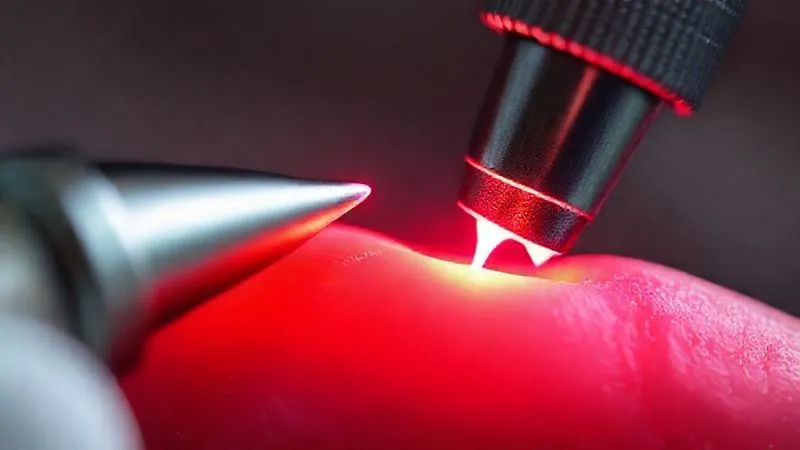
Lasers, particularly diode and Nd:YAG lasers, have revolutionized periodontal treatment. LAPT involves using a dental laser to selectively remove diseased tissue, sterilize periodontal pockets, and reduce bacterial load. The laser energy is highly effective at killing bacteria and detoxifying root surfaces, often with less discomfort and faster healing times compared to traditional methods. It's an excellent tool for reaching areas difficult to access with conventional instruments and for stimulating tissue regeneration. For many patients, LAPT provides a gentle yet powerful alternative to surgical interventions.
Photodynamic Therapy (PDT)
Photodynamic therapy is an innovative, non-invasive approach that uses a photosensitizing dye applied to the gum pockets, followed by illumination with a specific wavelength of light. The light activates the dye, producing reactive oxygen species that selectively destroy harmful bacteria and biofilms, without harming healthy tissue. PDT is particularly appealing for its ability to target resistant bacteria and reduce inflammation without the use of antibiotics, thereby mitigating concerns about antibiotic resistance.
Ozone Therapy in Periodontics
Ozone, a highly reactive form of oxygen, has potent antimicrobial and healing properties. In dentistry, ozone gas or ozonated water can be used to irrigate periodontal pockets, effectively killing bacteria, viruses, and fungi. Beyond its antimicrobial action, ozone also stimulates blood flow and oxygenation, promoting tissue repair and regeneration. It's a biocompatible and minimally invasive option gaining traction for its efficacy in managing chronic infections and reducing inflammation.
The Role of Systemic Health: A Holistic Perspective
As an experienced industry specialist, I cannot overstate the profound connection between systemic health and persistent gum inflammation. Ignoring this link is like trying to bail water out of a leaking boat without patching the hole. Addressing systemic factors is often the missing piece in solving how to treat chronic gingivitis unresponsive to scaling and root planing.
Managing Diabetes and Other Chronic Conditions
Uncontrolled diabetes is perhaps the most well-known systemic risk factor for gum disease. High blood sugar levels impair the immune system, making individuals more susceptible to infections and hindering the healing process. Working closely with a physician to achieve optimal glycemic control is fundamental. Similarly, managing other chronic inflammatory conditions, such as cardiovascular disease or autoimmune disorders, can significantly improve the body's ability to combat oral infections.
Addressing Immunodeficiency and Autoimmune Disorders
Patients with compromised immune systems, whether due to medical conditions (e.g., HIV/AIDS) or medications (e.g., immunosuppressants), are at a higher risk for aggressive and unresponsive gum disease. Close collaboration between the dental team and the patient's medical specialists is essential to tailor treatment plans that account for their immune status. For those with autoimmune disorders, balancing immune suppression with localized oral health interventions requires careful consideration.
Smoking Cessation and Oral Hygiene Habits Reinforcement
Smoking is one of the most detrimental habits for oral health, severely impeding blood flow to the gums and masking the typical signs of inflammation, making diagnosis and treatment more challenging. Quitting smoking is arguably the single most impactful lifestyle change a patient can make to improve their gum health. Beyond this, reinforcing meticulous daily oral hygiene habits – proper brushing technique, daily flossing, and interdental cleaning – remains the bedrock of long-term success, regardless of other treatments.
Expert Insight: "Your mouth is not an island. It is an integral part of your entire body. Any strategy to effectively treat chronic gingivitis unresponsive to scaling and root planing must encompass a thorough understanding and management of your overall systemic health."
Personalized Oral Hygiene Regimens: The Lifelong Commitment
Even with advanced treatments, the cornerstone of managing chronic gingivitis that has been unresponsive to initial therapies is an exceptionally personalized and rigorous daily oral hygiene regimen. This isn't just about 'brushing and flossing'; it's about precision and consistency tailored to your unique needs.
Advanced Brushing and Flossing Techniques
For many, simply switching from a manual toothbrush to an electric toothbrush (oscillating-rotating or sonic) can make a significant difference. These brushes are more effective at disrupting plaque biofilm. Furthermore, I guide patients on specific brushing techniques, such as the Bass method, which focuses on cleaning at and just below the gum line where bacteria thrive. Flossing, too, needs to be more than a quick pass; it requires careful technique to wrap the floss around each tooth and gently clean under the gum line.
Interdental Cleaners and Oral Irrigators
Standard flossing alone might not be enough for everyone, especially those with larger interdental spaces or persistent inflammation. Interdental brushes, sized appropriately for your gaps, can effectively remove plaque and food debris between teeth. Oral irrigators (water flossers) can be a game-changer, using a stream of water to flush out loose plaque and food particles from pockets and between teeth. When used with an antimicrobial rinse, their efficacy is further enhanced. The American Dental Association provides excellent resources on the benefits of these tools.
Regular Professional Maintenance and Monitoring
Once the acute phase of unresponsive gingivitis is brought under control, maintaining gum health requires a commitment to a personalized recall schedule. This often means more frequent professional cleanings – every 3 to 4 months instead of the standard 6. These appointments are crucial for removing any new plaque and calculus accumulation, monitoring the health of your gums, and making necessary adjustments to your home care routine or treatment plan. This ongoing partnership with your dental professional is vital for long-term success.

When to Consider Surgical Interventions
While our focus has been on non-surgical approaches to how to treat chronic gingivitis unresponsive to scaling and root planing, there are instances where surgical intervention becomes necessary. These are typically considered when non-surgical methods have been thoroughly exhausted, and the disease continues to progress, or when anatomical factors prevent effective cleaning.
Flap Debridement and Osseous Surgery
In cases of deep, persistent periodontal pockets that cannot be adequately cleaned with non-surgical methods, a flap debridement procedure may be recommended. This involves gently lifting the gum tissue to gain direct access to the root surfaces and underlying bone. This allows for thorough cleaning, removal of diseased tissue, and reshaping of any irregular bone surfaces (osseous surgery) that might be contributing to the pocketing. The gums are then sutured back into place, often resulting in shallower, easier-to-clean pockets.
Regenerative Procedures
If chronic inflammation has led to significant bone loss around the teeth, regenerative procedures might be an option. These techniques aim to regenerate lost bone and gum tissue using bone grafts, guided tissue regeneration (GTR) membranes, or growth factors. The goal is not just to stop the disease but to restore the supporting structures of the teeth, thereby improving their long-term prognosis. The American Academy of Periodontology offers comprehensive information on these advanced treatments.
Referral to a Periodontist: The Specialist's Role
For complex cases of chronic gingivitis unresponsive to initial and advanced non-surgical treatments, referral to a board-certified periodontist is often the most appropriate step. A periodontist is a dental specialist who has undergone additional years of training specifically in the diagnosis, treatment, and prevention of periodontal diseases. They possess the expertise and specialized tools to manage the most challenging cases, including performing advanced surgical procedures when indicated. Trusting in their specialized knowledge is a crucial part of a comprehensive care strategy.

Frequently Asked Questions (FAQ)
Why did scaling and root planing fail for me? Scaling and root planing (SRP) is highly effective for most cases of gingivitis and early periodontitis. However, it can 'fail' if there are underlying systemic factors (like uncontrolled diabetes), particularly aggressive or resistant bacterial strains, an exaggerated host immune response, or if certain areas were anatomically inaccessible during the procedure. Sometimes, it's also due to a lack of consistent, meticulous home care post-SRP, or inadequate follow-up professional maintenance. Identifying the specific reason for its unresponsiveness is the first step towards effective alternative treatment.
Are these advanced treatments covered by insurance? Coverage for advanced treatments for chronic gingivitis unresponsive to scaling and root planing varies significantly based on your dental insurance plan. Procedures like laser therapy, localized antibiotic delivery, and some forms of host modulation therapy may be partially covered, while others might not be. Regenerative surgical procedures are often covered to some extent if deemed medically necessary to save a tooth. It's crucial to consult with your dental office's financial coordinator and your insurance provider directly to understand your specific benefits and out-of-pocket costs before proceeding with treatment.
How long does it take to see results with these alternative treatments? The timeline for seeing results can vary greatly depending on the severity of your condition, the specific treatments employed, and your body's individual healing response. With targeted antimicrobial therapy and host modulation, improvements in inflammation and bleeding can often be observed within a few weeks to a few months. Surgical interventions, while providing more immediate access for cleaning, require several weeks for initial healing and several months for full tissue maturation. Consistent home care and regular professional follow-ups are critical for maintaining and improving these results over the long term. Patience and commitment are key.
Can gingivitis really lead to tooth loss even after treatment? While gingivitis itself is reversible and primarily affects the gums, if it remains chronic and unresponsive, it can progress to periodontitis. Periodontitis is a more severe form of gum disease that involves the destruction of the bone and ligaments supporting your teeth. If left untreated or if it continues to progress despite interventions, the loss of these supporting structures will eventually lead to tooth mobility and, ultimately, tooth loss. This is why aggressive and comprehensive treatment for unresponsive gingivitis is so critical, as it prevents this progression and preserves your natural dentition. Early and effective intervention is always the best defense.
What role does diet play in managing chronic gingivitis? Diet plays a significant, often underestimated, role in managing chronic gingivitis. An anti-inflammatory diet, rich in fruits, vegetables, lean proteins, and healthy fats (especially omega-3s), can help reduce systemic inflammation throughout the body, including your gums. Conversely, diets high in refined sugars and processed foods can promote inflammation. Specific nutrients like Vitamin C (for collagen production and immune function), Vitamin D (for bone health and immune modulation), and antioxidants are vital. Incorporating probiotics and limiting inflammatory foods can create a more favorable oral and systemic environment, supporting your body's ability to heal and fight off infection. Harvard Health Publishing offers great insights into anti-inflammatory eating.
Key Takeaways and Final Thoughts
Navigating the complexities of chronic gingivitis that remains unresponsive to scaling and root planing can feel overwhelming, but it is far from a hopeless situation. As an expert who has guided countless patients through this challenge, I want to reinforce that effective solutions exist, often requiring a multifaceted and personalized approach.
- Precision Diagnostics are Paramount: Don't guess; test for specific pathogens and assess host factors.
- Embrace Targeted Therapies: Move beyond mechanical cleaning to localized antimicrobials, systemic support, and advanced adjunctive treatments like lasers or PDT.
- Prioritize Host Modulation: Empower your body's immune response with LDD, nutritional support, and stress management.
- Address Systemic Health: Recognize and manage underlying medical conditions that impact oral health.
- Commit to Personalized Hygiene: A rigorous, tailored home care regimen is your daily defense.
- Seek Specialist Care: Don't hesitate to consult a periodontist for complex or surgical needs.
Remember, the journey to healthy gums is a partnership between you and your dental professional. By understanding the deeper causes of persistent inflammation and embracing these advanced, evidence-based strategies, you can overcome the challenge of unresponsive gingivitis. Your path to lasting oral health and comfort is within reach; it simply requires a more informed and dedicated approach. Don't give up on your smile—it's worth fighting for.
Recommended Reading
- Beyond the Table: 7 Strategies When Chronic Pain Ignores Massage
- Microcirculation Failure? 7 Advanced Steps When Standard Therapies Fall Short
- Bloating After Low FODMAP? 7 Hidden Causes & Solutions
- Unlocking Quad Strength: Your Guide to Powerful Recovery After Knee Surgery Rehab
- 5 Steps to Optimize Clinical Pathways for Chronic Male Pelvic Pain







0 Comentários: