 By
By 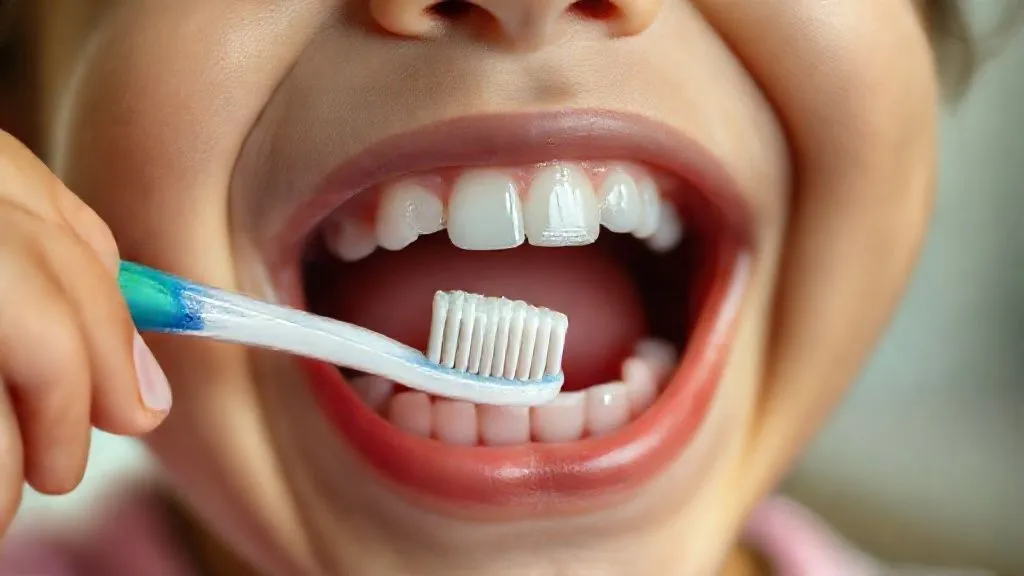
How to effectively manage rampant early childhood caries progression?
For over two decades in pediatric dentistry, I’ve witnessed countless parents grappling with a heart-wrenching challenge: their child's beautiful, developing smile being ravaged by rampant early childhood caries (ECC). It's a condition that often starts subtly but can accelerate with alarming speed, leaving both children and parents feeling helpless and overwhelmed. The emotional toll, the physical discomfort for the child, and the financial burden on families are profound, and I've seen this cycle repeat far too often.
The problem isn't just a few cavities; it's a systemic breakdown, a rapid and aggressive form of tooth decay affecting infants and young children, often involving multiple teeth and surfaces. It can compromise their ability to eat, sleep, and even speak properly, impacting their overall growth and development. The pervasive myth that 'baby teeth don't matter' is a dangerous misconception that I've dedicated my career to dispelling, as early decay can have lasting consequences on permanent teeth and lifelong oral health habits.
This definitive guide isn't just about understanding the problem; it's about empowering you with the knowledge, strategies, and confidence to effectively manage rampant early childhood caries progression. We will delve into actionable frameworks, illuminate expert insights, and explore practical solutions—from early detection and preventive measures to advanced interventions and long-term surveillance. My goal is to equip you with the tools to halt this destructive process and secure a healthier, brighter future for your child's smile.
Understanding the Enemy: What is Rampant Early Childhood Caries?
Defining ECC and its Rapid Progression
Early Childhood Caries (ECC), previously known as 'baby bottle tooth decay,' is defined as the presence of one or more decayed (non-cavitated or cavitated lesions), missing (due to caries), or filled primary tooth surfaces in a child under the age of six. When we talk about 'rampant' ECC, we're referring to a particularly aggressive form where multiple teeth are affected, often exhibiting extensive decay on surfaces typically resistant to caries. This rapid progression is what makes it so challenging and requires immediate, decisive action.
The speed at which ECC can advance is truly astonishing. What might appear as a small white spot lesion one month can become a deep, painful cavity just a few months later. This swift deterioration is often due to a combination of high-frequency sugar exposure, poor oral hygiene, and the presence of highly virulent cariogenic bacteria like Streptococcus mutans. Understanding this rapid timeline is crucial for parents and caregivers to appreciate the urgency of intervention.
Root Causes and Risk Factors Beyond Sugar
While sugar is undoubtedly a primary culprit, the etiology of rampant ECC is multifactorial. It's an intricate dance between the host (the child's teeth and saliva), the microflora (bacteria in the mouth), and the substrate (dietary sugars), all influenced by time and environmental factors. In my experience, focusing solely on sugar intake often overlooks other critical contributors.
Key risk factors include prolonged and frequent exposure to fermentable carbohydrates, particularly from bottles containing milk, formula, or sugary drinks, especially at bedtime. Poor oral hygiene practices, such as infrequent brushing or ineffective technique, allow plaque to accumulate and bacteria to thrive. Maternal transfer of cariogenic bacteria, often through sharing utensils or cleaning pacifiers with a parent's mouth, also plays a significant role in early colonization. Socioeconomic factors, limited access to dental care, and lack of parental awareness further exacerbate the problem, creating a perfect storm for rampant decay.
The Foundational Pillars of ECC Management
Pillar 1: Aggressive Risk Assessment and Early Detection
The first step in effectively managing rampant ECC progression is not treatment, but a thorough risk assessment and unwavering commitment to early detection. As an expert, I can't stress enough how critical it is to identify children at high risk *before* significant decay sets in. This proactive approach allows for targeted interventions that can prevent widespread destruction.
- Initial Dental Visit by Age One: The American Academy of Pediatric Dentistry (AAPD) strongly recommends a child's first dental visit by their first birthday or within six months of the eruption of their first tooth. This visit isn't just for cleaning; it's a comprehensive risk assessment.
- Caries Risk Assessment Tool (CAT): Your pediatric dentist should utilize a validated CAT to evaluate factors like socioeconomic status, fluoride exposure, dietary habits, oral hygiene, and previous caries experience in the child or family.
- Visual and Tactile Examination: Beyond just looking for obvious holes, the dentist will meticulously check for early signs like white spot lesions (demineralization), which are often the first visible indicators of decay, especially along the gum line of upper front teeth.
- Radiographic Imaging (When Indicated): For older children or when visual examination is insufficient, bitewing radiographs can reveal interproximal (between teeth) decay that isn't visible clinically.
Pillar 2: Personalized Oral Hygiene Regimens
Once risk is assessed, tailoring an oral hygiene regimen is paramount. There's no one-size-fits-all approach, especially when dealing with such young patients. My experience shows that parental involvement and adaptation are key to success.
- Brushing from Day One: Even before teeth erupt, gently wipe the baby's gums with a clean, damp cloth after feedings. Once the first tooth appears, typically around 6 months, begin brushing twice daily with a soft-bristled, age-appropriate toothbrush.
- Fluoride Toothpaste: For children under three, use a 'smear' of fluoride toothpaste (the size of a grain of rice). For children aged three to six, use a 'pea-sized' amount. Always supervise brushing to ensure proper technique and minimize swallowing. The Centers for Disease Control and Prevention (CDC) emphasizes fluoride's role in preventing and controlling caries.
- Parental Assistance: Parents must brush their child's teeth until they are around 7-8 years old, or until they demonstrate sufficient dexterity to tie their own shoelaces. Think of it as teamwork, with the parent as the primary 'cleaner' for many years.
- Flossing: Once two teeth touch, usually around 2-3 years of age, begin flossing daily to remove plaque and food particles from between teeth.
"Parental involvement isn't just beneficial for managing ECC; it's absolutely non-negotiable. Your consistent effort and positive reinforcement are the most powerful tools in preventing and reversing early decay."
Strategic Interventions: Halting Caries Progression
Fluoride Varnish and Silver Diamine Fluoride (SDF): Your First Line of Defense
When early signs of demineralization or even small cavitations are present, topical agents become incredibly powerful. I've personally seen these treatments make a dramatic difference in arresting the progression of ECC.
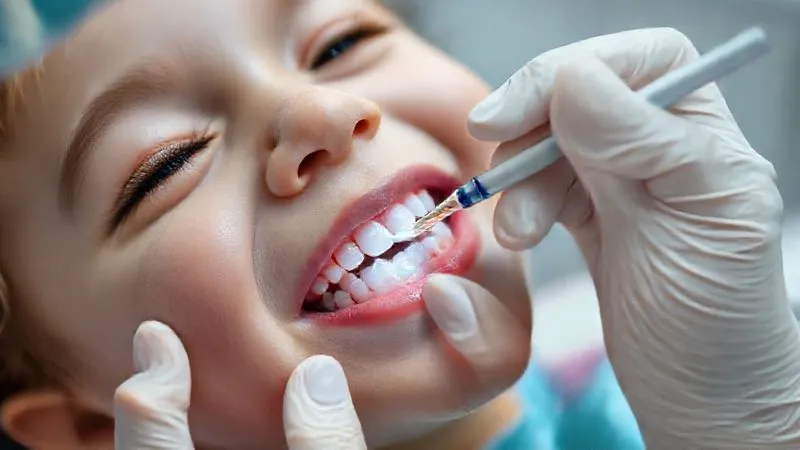
Fluoride Varnish: This highly concentrated fluoride preparation is applied directly to the tooth surface by a dental professional. It strengthens enamel, makes teeth more resistant to acid attacks, and can even remineralize early lesions. It's safe, quick to apply, and highly effective, especially when applied every 3-6 months for high-risk children. Think of it as a protective shield being painted onto the teeth.
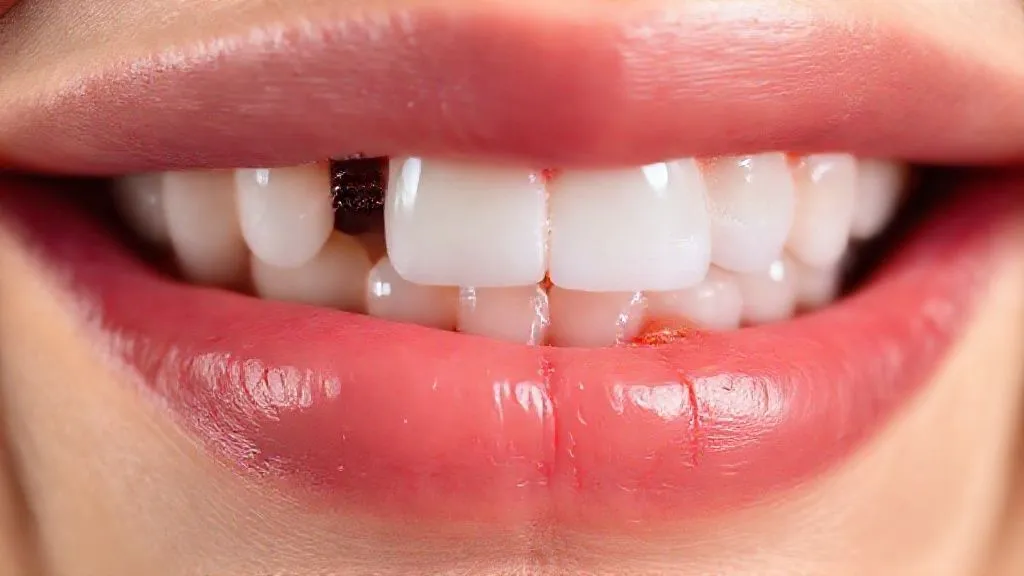
Silver Diamine Fluoride (SDF): SDF is a revolutionary non-invasive treatment that has transformed how we manage active decay in young children. It works by arresting the progression of existing caries, killing the bacteria, and hardening the softened dentin. While it can temporarily stain decayed areas black, its ability to halt rampant decay without drilling is invaluable, especially for very young or anxious children. It buys time, reduces pain, and often allows for more definitive treatment at a later, more cooperative age. According to a study published in the Journal of Dental Research, SDF is highly effective in arresting cavitated lesions in primary teeth.
| Feature | Fluoride Varnish | Silver Diamine Fluoride (SDF) |
|---|---|---|
| Primary Mechanism | Remineralizes enamel, strengthens teeth | Arrests active decay, kills bacteria, hardens dentin |
| Application | Painted onto tooth surfaces | Applied directly to cavitated lesions |
| Key Benefit | Prevention and early remineralization | Arrests existing decay without drilling |
| Appearance Post-Treatment | No visible change | Stains decayed areas black |
| Best Use Case | High-risk children, early demineralization | Active, cavitated lesions, especially in very young children |
Dietary Modifications: Beyond Just Cutting Sweets
While eliminating obvious sweets is a good start, managing rampant early childhood caries progression requires a deeper look at dietary habits. It’s not just about *what* is eaten, but *when* and *how often*.
- Frequency Over Quantity: Frequent snacking, especially on carbohydrates, keeps the mouth in an acidic state, promoting demineralization. Limit snacks to specific times and encourage water between meals.
- Water is Your Child's Best Friend: Encourage water intake throughout the day, especially after meals and snacks, to help rinse away food particles and neutralize acids.
- Nutrient-Rich Foods: Focus on a balanced diet rich in fruits, vegetables, lean proteins, and dairy. Calcium and phosphorus in dairy products, for instance, contribute to remineralization.
- Avoid Sticky, Prolonged Exposure: Foods like fruit leathers, gummy candies, and even some dried fruits can stick to teeth for extended periods, providing a continuous food source for bacteria. Limit these or ensure immediate brushing afterwards.
- Beware of Hidden Sugars: Many seemingly healthy foods, like fruit juices, flavored yogurts, and cereals, contain significant amounts of added sugar. Always read food labels carefully.
Restorative Treatments: When Fillings and Crowns Become Necessary
Despite best efforts, some rampant ECC cases will inevitably require restorative interventions. When decay has progressed beyond what topical treatments can address, fillings or crowns become necessary to remove infected tooth structure and restore function. Ignoring these larger cavities can lead to pain, infection, and even premature tooth loss, which can impact speech, chewing, and the alignment of permanent teeth.
For smaller cavities, composite (tooth-colored) or amalgam (silver) fillings are used. For more extensive decay, particularly in molars, stainless steel crowns are often the treatment of choice in primary teeth. These crowns encapsulate the entire tooth, providing robust protection and restoring its form and function until the permanent tooth erupts. Your pediatric dentist will discuss the most appropriate options based on the extent of decay, the child's age, and their ability to cooperate during treatment.
The Power of Prevention: A Holistic Family Approach
Educating Parents and Caregivers: The Unsung Heroes
In my practice, I've come to understand that parents and caregivers are truly the unsung heroes in the battle against ECC. Their understanding, commitment, and consistent efforts at home are far more impactful than any treatment I can provide in the dental chair. Education is not a one-time lecture; it's an ongoing dialogue.
I dedicate significant time to explaining the disease process, demonstrating proper brushing and flossing techniques, and discussing dietary modifications in a non-judgmental, supportive manner. We cover topics like the importance of fluoride, the dangers of nighttime bottles, and how to make oral hygiene a positive, routine part of family life. Empowering parents with knowledge transforms them from passive recipients of information into active participants in their child's oral health journey. This holistic approach is fundamental to how to effectively manage rampant early childhood caries progression.
Creating a Caries-Free Home Environment
A caries-free home environment goes beyond just brushing and flossing; it encompasses habits, routines, and choices that collectively reduce the risk of decay. It's about making the healthy choice the easy choice for both children and adults.
- Lead by Example: Children are keen observers. When they see parents prioritizing their own oral hygiene, they are more likely to adopt similar habits.
- Fluoridated Water: If your community water supply is fluoridated, ensure your family drinks tap water. If not, discuss supplemental fluoride options with your dentist.
- Healthy Snack Choices: Stock the pantry and fridge with tooth-friendly snacks like cheese, plain yogurt, fruits, and vegetables instead of sugary, processed options.
- Regular Dental Check-ups for the Whole Family: A family-wide commitment to dental health reinforces its importance for everyone, including the youngest members.
- Avoid Sharing Utensils/Pacifiers: This reduces the transmission of cariogenic bacteria from adults to children.
Case Study: The Miller Family's Triumph Over ECC
The Miller Family's Journey from Despair to Healthy Smiles
Mrs. Miller, a mother of two, first brought her 4-year-old son, Leo, to my practice with what she described as 'a mouth full of black teeth.' Leo was experiencing constant pain, difficulty eating, and his sleep was severely disrupted. Examination revealed rampant early childhood caries affecting almost all his primary molars and incisors, with several abscesses already present. The family's diet consisted heavily of fruit juice and frequent snacking, and brushing was a battle Leo often won.
This was a challenging but not uncommon scenario. My initial approach was to address the immediate pain and infection, which required several extractions and extensive restorative work under conscious sedation. But I knew that treatment alone wouldn't solve the underlying problem of how to effectively manage rampant early childhood caries progression. The real work began with comprehensive parental education and lifestyle modification.
We worked together on a strict dietary overhaul, gradually reducing juice intake and replacing sugary snacks with fresh fruits, vegetables, and cheese. I demonstrated effective, yet gentle, brushing techniques, involving Leo in the process by letting him choose his toothbrush and toothpaste. We implemented a 'two-minute timer' for brushing and made it a fun, non-negotiable family activity twice a day. Fluoride varnish applications were scheduled every three months, and Mrs. Miller committed to consistent supervision.
The transformation took time and immense dedication from the Miller family. Within six months, Leo's pain was gone, his sleep improved, and he was eating a wider variety of foods. At his one-year recall, there were no new cavities, and his existing restorations were stable. Mrs. Miller became an advocate for early dental care among her friends, sharing her experience and emphasizing the critical role of parental involvement. It was a testament to what's possible when expert guidance meets unwavering family commitment.
"Managing rampant ECC is a marathon, not a sprint. It requires patience, persistence, and a belief that every small, consistent effort contributes to a monumental shift in a child's oral health trajectory."
Navigating Dental Visits: Building a Positive Relationship
Choosing the Right Pediatric Dentist
A crucial component of successful ECC management is establishing a positive, trusting relationship with a pediatric dentist. This isn't just any dentist; a pediatric dentist has undergone an additional two to three years of specialized training beyond dental school, focusing exclusively on the unique oral health needs of infants, children, adolescents, and those with special healthcare needs. They are experts in child psychology, behavior management, and the growth and development of children's teeth and jaws.
Look for a dentist whose office environment is child-friendly, with staff who are empathetic and skilled in communicating with young patients and their parents. A good pediatric dentist will prioritize preventive care, offer clear explanations, and involve you in decision-making, ensuring a collaborative approach to your child's dental health.
Making Dental Appointments Stress-Free
For children with rampant ECC, dental visits can be intimidating. My goal is always to make these experiences as positive and stress-free as possible. Here are some tips I share with parents:
- Start Early: The younger the child's first visit, the more accustomed they become to the dental environment.
- Positive Framing: Avoid using negative words like 'drill,' 'shot,' or 'hurt.' Instead, use positive language like 'sleepy juice' for anesthesia or 'tooth sparkle' for cleaning.
- Practice at Home: Play 'dentist' at home. Count teeth, look in their mouth with a small mirror, and practice sitting still.
- Be Honest, But Simple: Explain what will happen in simple, age-appropriate terms without giving too much detail that might create anxiety.
- Stay Calm: Children pick up on parental anxiety. Your calm demeanor will reassure them.
- Positive Reinforcement: Praise your child for good behavior, no matter how small. A sticker or a small toy can go a long way.
Long-Term Surveillance and Adaptability
Regular Check-ups and Proactive Monitoring
Successfully managing rampant early childhood caries progression is not a one-time event; it's an ongoing commitment to long-term surveillance and proactive monitoring. For children with a history of ECC, I typically recommend more frequent recall appointments, often every three months, especially in the initial stages of management. These visits allow us to:
- Assess Efficacy: Evaluate the effectiveness of current interventions (diet, hygiene, fluoride).
- Identify New Lesions: Catch any new demineralization or cavities at their earliest, most manageable stage.
- Reinforce Habits: Reiterate oral hygiene instructions and dietary guidance, addressing any challenges the family might be facing.
- Apply Preventive Treatments: Reapply fluoride varnish or SDF as needed to maintain protection.
- Monitor Growth and Development: Ensure that the child's oral growth is progressing normally and address any emerging orthodontic concerns.
Adapting Strategies as Children Grow
A child's oral health needs evolve as they grow. The strategies for a 1-year-old are different from those for a 4-year-old or an 8-year-old. My approach is always adaptable, adjusting interventions to match the child's developmental stage, cooperation level, and changing risk factors.
For instance, as permanent teeth begin to erupt, dental sealants become a vital preventive tool for molars. As children gain more independence, the focus shifts from direct parental brushing to supervised brushing, gradually transitioning towards independent oral hygiene. This dynamic approach ensures that management remains relevant and effective throughout their childhood, safeguarding their smiles for years to come.
Frequently Asked Questions (FAQ)
Question? Is early childhood caries (ECC) genetic, or is it purely environmental?
Detailed answer: While ECC is primarily an infectious, diet-related disease, there can be a genetic predisposition. Some children may inherit thinner enamel or have genetic factors affecting saliva composition, making them more susceptible to decay. However, environmental factors like diet, oral hygiene, and fluoride exposure play a much larger role. Even with a genetic predisposition, diligent preventive measures can largely mitigate the risk. It's a complex interplay, but environmental control is where parents have the most direct influence.
Question? Can rampant ECC be reversed without fillings, or will my child always need invasive treatment?
Detailed answer: Early stages of ECC, particularly white spot lesions (demineralization without cavitation), can often be reversed or arrested through aggressive remineralization strategies. This includes consistent fluoride toothpaste use, fluoride varnish applications, dietary modifications, and improved oral hygiene. For cavitated lesions, especially those showing rapid progression, treatments like Silver Diamine Fluoride (SDF) can arrest the decay without drilling. However, once a cavity has formed a significant 'hole,' restorative treatment (fillings or crowns) is typically necessary to prevent further damage and restore tooth function. The key is early detection to maximize non-invasive options.
Question? My child absolutely refuses to brush their teeth. What are some strategies to make oral hygiene less of a battle?
Detailed answer: This is a very common challenge! Firstly, make it a fun routine. Let them choose their toothbrush, use flavored toothpaste (within appropriate fluoride guidelines), and play a favorite song for two minutes during brushing. Try 'copycat' brushing where they brush your teeth while you brush theirs. Use storytelling or make it a game (e.g., 'brushing away the sugar bugs'). Consider 'parental restraint' for very young children – gently holding them in a secure position (like on your lap, facing away) to ensure effective brushing, emphasizing that it's for their health. Consistency and positive reinforcement are crucial; avoid making it a punishment.
Question? How often should my child with a history of rampant ECC see the dentist?
Detailed answer: For children with a history of rampant ECC or those at high risk, standard six-month check-ups are often insufficient. I typically recommend recall appointments every three months in the initial stages of management. This allows for frequent monitoring, reapplication of preventive agents like fluoride varnish, and reinforcement of home care practices. As the child's oral health improves and risk factors are better controlled, your pediatric dentist may gradually extend the recall interval, but always based on individual risk assessment.
Question? Are sugar-free snacks and drinks truly safe for children, or do they have other hidden dental risks?
Detailed answer: Sugar-free snacks and drinks are generally a better choice than their sugary counterparts, as they don't provide fermentable carbohydrates for cavity-causing bacteria. However, 'sugar-free' doesn't automatically mean 'tooth-friendly.' Some sugar-free items, particularly carbonated drinks or certain candies, can still be highly acidic. This acidity can erode tooth enamel over time, even without the presence of sugar. Always check labels for pH levels or inquire with your dentist. Water remains the best and safest beverage choice between meals.
Key Takeaways and Final Thoughts
Managing rampant early childhood caries progression can feel like a daunting task, but as an experienced specialist, I assure you it's a battle that can be won. It requires a comprehensive understanding of the disease, a proactive and personalized approach, and unwavering commitment from parents and caregivers. Remember, every single action you take, no matter how small, contributes to your child's overall oral health.
- Early Detection is Paramount: Schedule that first dental visit by age one and maintain regular check-ups.
- Holistic Home Care is Non-Negotiable: Implement consistent, age-appropriate brushing with fluoride toothpaste and make smart dietary choices.
- Leverage Expert Interventions: Utilize fluoride varnish and SDF as powerful tools to arrest and prevent decay.
- Educate and Empower: Understand the 'why' behind each recommendation and become an active participant in your child's oral health journey.
- Build a Trusting Partnership: Work closely with a pediatric dentist who can guide you through every stage of your child's development.
The journey to a caries-free smile is one of dedication and consistency, but the rewards—a healthy, happy child free from dental pain—are immeasurable. By applying the strategies outlined in this guide, you are not just managing a dental problem; you are investing in your child's overall well-being and setting the foundation for a lifetime of healthy habits. Embrace the challenge, stay vigilant, and celebrate every small victory. Your child's smile is worth it.
Recommended Reading
- Fortify Your Mind: 7 Proven Strategies for Work Pressure Resilience
- Prevent Progressive Myopia: 7 Steps for School-Aged Children's Eyes
- 7 Proven Strategies: Halt Bone Loss While Managing High-Stress Work
- 7 Proven Strategies: Re-Engaging Clients in Addiction Aftercare
- Post-40 Power-Up: 5 Steps to Sharpen Focus & Boost Male Energy







0 Comentários: