 By
By 
How to manage acute dental pain with unexplained neurological symptoms?
For over two decades in the dental health sector, I've witnessed a spectrum of patient experiences, from routine check-ups to the most perplexing emergencies. Among these, few scenarios are as uniquely distressing and diagnostically challenging as acute dental pain presenting alongside unexplained neurological symptoms.
This isn't just a toothache; it's a terrifying convergence where the familiar discomfort of a dental issue merges with the unsettling unknown of neurological distress. Patients often describe tingling, numbness, radiating pain that defies typical dental patterns, or even dizziness and visual disturbances, leaving both them and sometimes even their initial healthcare providers perplexed.
In this comprehensive guide, I aim to demystify this complex intersection. We'll explore the intricate connections between your oral health and your nervous system, providing you with an actionable framework for immediate relief, crucial diagnostic steps, and a pathway to expert care. My goal is to equip you with the knowledge to navigate this challenging situation with confidence and clarity, ensuring you receive the precise care you need.
Understanding the Complex Interplay: Dental Pain and Neurological Connections
The human body is an incredibly interconnected system, and nowhere is this more evident than in the head and neck region. Your teeth, gums, and jaw are richly innervated, primarily by branches of the trigeminal nerve – the fifth cranial nerve. This nerve is a superhighway for sensory information, transmitting sensations of touch, temperature, and pain from your face, mouth, and jaw directly to your brain.
When you experience dental pain, it's typically a signal of inflammation or infection within a tooth or its surrounding structures. However, the trigeminal nerve doesn't just transmit pain from teeth; it also serves the muscles of mastication, parts of the tongue, and areas of the face. This broad innervation means that pain originating from a dental issue can sometimes 'refer' or spread to other areas, mimicking neurological symptoms.
Conversely, primary neurological conditions can manifest as pain in the oral and facial region, making differential diagnosis incredibly challenging. Conditions like trigeminal neuralgia, temporomandibular joint disorders (TMJ/TMD), or even less common neuropathies can present with symptoms that feel distinctly like a severe toothache, nerve pain, or an inexplicable facial discomfort. It's this intricate web that often leads to confusion and delayed diagnosis, underscoring why understanding how to manage acute dental pain with unexplained neurological symptoms requires a holistic perspective.
“The mouth is not an island; it's an integral part of the body's complex neurovascular network. Ignoring its signals, especially when accompanied by broader neurological signs, is to miss crucial clues about overall health.”
Immediate First Aid: What to Do When Symptoms Strike
When acute dental pain combines with unsettling neurological symptoms, the first priority is to manage your immediate discomfort and stabilize your situation before you can seek professional help. Remember, these are temporary measures, not a substitute for expert medical and dental evaluation.
- Assess Your Symptoms Calmly: Take a moment to note exactly what you're feeling. Is the pain sharp, throbbing, dull, or electric? Where does it originate, and where does it spread? What are the neurological symptoms – numbness, tingling, weakness, dizziness, visual changes? Documenting these details will be invaluable for your healthcare provider.
- Over-the-Counter Pain Relief: Non-steroidal anti-inflammatory drugs (NSAIDs) like ibuprofen or naproxen can help reduce both pain and inflammation. Acetaminophen (Tylenol) is another option if NSAIDs are contraindicated for you. Always follow dosage instructions carefully.
- Apply a Cold Compress: For localized swelling or pain, a cold compress applied to the outside of your cheek for 15-20 minutes at a time can help reduce inflammation and numb the area. Avoid direct contact with ice on the skin.
- Rinse with Warm Salt Water: If you suspect an infection or have an open wound in your mouth, rinsing with warm salt water (1/2 teaspoon salt in 8 ounces of warm water) can help clean the area and provide temporary relief.
- Avoid Triggers: If certain activities, foods (hot/cold/sweet), or movements exacerbate your pain or neurological symptoms, try to avoid them. This might include chewing on the affected side or exposing the area to extreme temperatures.
- Elevate Your Head: If lying down seems to increase pressure or pain, try sleeping with your head slightly elevated. This can sometimes help reduce blood flow to the area and ease throbbing sensations.
While these steps can offer temporary respite, they are merely bridges to professional diagnosis and treatment. The underlying cause of your combined dental and neurological symptoms requires urgent attention.

When to Seek Emergency Dental Care: Red Flag Symptoms You Can't Ignore
Not all dental pain with neurological symptoms constitutes an immediate emergency, but many do. Knowing when to act swiftly can be crucial for preserving your health and preventing more severe complications. Based on my experience, these are the red flag symptoms that demand urgent professional evaluation:
- Severe, Unrelenting Pain: If your pain is excruciating and doesn't respond to over-the-counter medication, it's a sign that something serious is happening.
- Rapidly Spreading Swelling: Swelling that extends beyond the immediate tooth area, especially into your face, neck, or under your eye, can indicate a spreading infection that could compromise your airway or vision.
- Difficulty Breathing or Swallowing: This is a critical emergency. Swelling in the throat or floor of the mouth can obstruct your airway. Seek the nearest emergency room immediately.
- Fever and Chills: These systemic symptoms, accompanying dental pain, strongly suggest a widespread infection that needs urgent antibiotic treatment.
- Facial Numbness or Weakness: While some tingling can be referred pain, distinct numbness, weakness, or paralysis on one side of your face could indicate nerve damage or a more serious neurological event.
- Sudden Vision Changes or Double Vision: If your neurological symptoms include visual disturbances, it warrants immediate medical attention, as it could signal pressure on nerves affecting the eyes or a vascular event.
- Altered Mental State: Confusion, disorientation, or extreme drowsiness are signs of severe systemic infection or a neurological crisis.
If you experience any of these symptoms, do not delay. Contact your dentist's emergency line, an urgent care center, or head to the nearest emergency room. Clearly articulate that you are experiencing acute dental pain with unexplained neurological symptoms to help them triage your case appropriately.
The Diagnostic Maze: Unraveling the Root Cause of Your Pain
Diagnosing the origin of combined dental and neurological symptoms is often a complex process, requiring a keen eye and a systematic approach. As an expert, I understand that it's not always a straightforward 'drill and fill' scenario. It involves careful elimination and often, a collaborative effort among specialists.
Initial Dental Examination and Imaging
Your dentist will begin with a thorough oral examination, checking for signs of decay, gum disease, fractures, or abscesses. They will typically perform:
- Palpation and Percussion: Gently tapping teeth and feeling your jaw/facial muscles to pinpoint pain sources.
- Thermal and Electric Pulp Testing: To assess the vitality of individual teeth.
- Radiographs (X-rays): Periapical and panoramic X-rays are standard to visualize tooth roots, bone structure, and identify infections or cysts not visible to the naked eye.
- Cone Beam Computed Tomography (CBCT): For more complex cases, a 3D CBCT scan provides detailed anatomical information, crucial for identifying subtle root fractures, bone lesions, or nerve impingement that traditional X-rays might miss.
Neurological Assessment
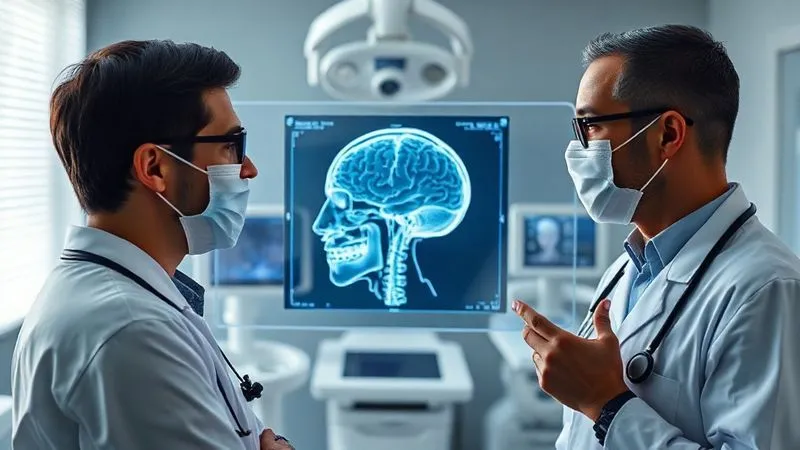
If initial dental examinations don't fully explain your neurological symptoms, or if the symptoms are highly suggestive of a primary neurological issue, your dentist will likely refer you to a neurologist. A neurologist will conduct a comprehensive exam, which may include:
- Cranial Nerve Examination: Testing your reflexes, sensation, and motor function in the facial area.
- Imaging (MRI/CT): To visualize your brain, brainstem, and major cranial nerves, looking for lesions, tumors, or vascular compression (e.g., for trigeminal neuralgia).
- Electromyography (EMG) and Nerve Conduction Studies (NCS): To assess nerve and muscle function.
Case Study: The Enigma of Ms. Evelyn R.
Ms. Evelyn R., a 58-year-old patient, presented with severe, acute pain in her upper left jaw, radiating into her temple, accompanied by intermittent facial tingling and a peculiar sense of 'heaviness' on that side of her face. Her initial dentist found no obvious dental pathology – no decay, no gum disease, and X-rays were clear. The pain was so intense it was disrupting her sleep and daily life. Feeling dismissed, she sought a second opinion.
In my practice, after a meticulous dental examination and a high-resolution CBCT scan, we still couldn't definitively pinpoint a dental source. However, her description of electric-shock-like pain, triggered by light touch or even a cool breeze, coupled with the tingling, raised a red flag for a neuropathic component. I referred her to a neurologist.
The neurologist, after conducting an MRI, discovered a small vascular loop compressing her trigeminal nerve. Ms. R. was diagnosed with atypical trigeminal neuralgia, mimicking a severe toothache. While her pain was indeed 'acute dental pain,' its root cause was neurological. This case perfectly illustrates why a multi-disciplinary approach is vital when trying to understand how to manage acute dental pain with unexplained neurological symptoms effectively.
Differential Diagnosis: Distinguishing Dental from Neurological Conditions
The art of differential diagnosis is crucial here. Many conditions can present with similar symptoms, and distinguishing between a purely dental problem, a primary neurological disorder, or a combination of both requires careful consideration. Here’s a simplified comparison of common overlapping conditions:
| Condition Type | Typical Pain Characteristics | Common Neurological Overlap | Key Diagnostic Clues |
|---|---|---|---|
| Dental Origin | Constant, throbbing, localized, worse with hot/cold/chewing | Referred pain (ear, temple), facial swelling, sinus pressure | Visible decay, abscess on X-ray, positive pulp test, improved with dental treatment |
| Neurological Origin | Sharp, electric shock-like, paroxysmal, burning, often triggered by light touch/movement | Numbness, tingling, weakness, facial spasms, dizziness, visual changes | Normal dental exam, MRI/CT findings (e.g., nerve compression), specific neurological tests, unresponsive to dental treatment |
| TMJ/TMD | Dull ache, jaw tenderness, headache, earache, worse with chewing/stress | Referred pain (temple, neck), tinnitus, dizziness | Clicking/popping jaw, limited opening, muscle tenderness, bruxism signs |
It's important to remember that these are general distinctions. A tooth infection can sometimes exacerbate a pre-existing neurological sensitivity, or nerve damage from trauma could mimic a toothache. This is why the collaborative approach, often involving a general dentist, an endodontist, an oral surgeon, and a neurologist, is paramount. According to the American Dental Association, a comprehensive diagnostic approach is always recommended for complex orofacial pain cases.
Advanced Treatment Approaches: Beyond the Standard Toothache Remedy
Once a definitive diagnosis is established, treatment for acute dental pain with unexplained neurological symptoms moves beyond simple pain relief. The approach becomes highly targeted, addressing the specific root cause.
Dental Interventions (When Origin is Dental):
- Root Canal Therapy: If an infection or inflammation within the tooth pulp is the culprit, a root canal will remove the damaged tissue and seal the tooth.
- Extraction: In cases of severe infection, extensive damage, or if the tooth is non-restorable, extraction may be necessary.
- Periodontal Treatment: For gum disease causing deep infections that might affect surrounding nerves.
- Oral Surgery: For cysts, tumors, or impacted teeth that could be impinging on nerves.
Neurological Interventions (When Origin is Neurological):
- Medications: Anticonvulsants (like carbamazepine, gabapentin) are often first-line treatments for neuropathic pain conditions like trigeminal neuralgia. Muscle relaxants may also be prescribed.
- Nerve Blocks: Local anesthetic injections can temporarily block pain signals from specific nerves, providing diagnostic and therapeutic relief.
- Microvascular Decompression (MVD): For trigeminal neuralgia caused by vascular compression, surgery to move the blood vessel away from the nerve can offer long-term relief.
- Gamma Knife Radiosurgery: A non-invasive procedure that uses focused radiation to create a lesion on the trigeminal nerve, disrupting pain signals.
Multidisciplinary Pain Management:
For chronic or complex cases, a pain management specialist may coordinate care, integrating various therapies:
- Physical Therapy: Especially for TMJ/TMD related issues or muscle imbalances.
- Botox Injections: Can be used to relax jaw muscles for TMJ pain or even for some forms of neuropathic pain.
- Psychological Support: Chronic pain can take a significant toll on mental health. Cognitive Behavioral Therapy (CBT) or counseling can help manage the psychological impact of persistent pain.
Effective management often requires a highly personalized plan, reflecting the unique interplay of dental and neurological factors in each patient.
Navigating the Healthcare System: Your Guide to Expert Collaboration
One of the biggest challenges when dealing with acute dental pain with unexplained neurological symptoms is navigating the fragmented healthcare system. Patients often feel caught between specialties, with dentists referring to neurologists and vice-versa. My advice is to become an empowered advocate for your own health.
- Start with Your Trusted Dentist: Your general dentist is usually the first point of contact. They can rule out common dental issues and, if necessary, refer you to a specialist like an endodontist (root canal specialist) or an oral surgeon.
- Seek a Specialist Referral: If dental causes are ruled out or if neurological symptoms are prominent, ask your dentist for a referral to a neurologist or an orofacial pain specialist. An orofacial pain specialist is a dentist with advanced training in diagnosing and managing complex facial pain, including neuropathic conditions.
- Facilitate Communication: Encourage your different doctors to communicate directly. Offer to sign releases so they can share records and discuss your case. A coordinated approach is far more effective than individual doctors working in silos.
- Keep Detailed Records: Maintain a log of your symptoms, pain intensity, triggers, medications used (and their effectiveness), and all appointments and test results. This comprehensive record will be invaluable for every specialist you see.
- Don't Be Afraid to Seek Second Opinions: If you feel your concerns aren't being adequately addressed, or if a diagnosis remains elusive, seeking a second opinion is your right and often a wise decision.
The National Institute of Neurological Disorders and Stroke (NINDS) emphasizes the importance of early and accurate diagnosis for neurological conditions, highlighting that collaboration between medical and dental professionals is key for conditions affecting the head and face.
Long-Term Management and Prevention: Living Without the Shadow of Pain
Even after the acute phase of pain is managed and a diagnosis is reached, long-term strategies are essential to prevent recurrence and maintain a good quality of life. This involves a combination of ongoing medical care, lifestyle adjustments, and proactive oral hygiene.
Ongoing Medical and Dental Care:
- Regular Dental Check-ups: Continue with routine dental visits to catch any new issues early and maintain overall oral health.
- Adherence to Treatment Plans: If you've been prescribed medication for a neurological condition, take it as directed. Do not self-adjust dosages without consulting your doctor.
- Follow-up with Specialists: Regular follow-ups with your neurologist or orofacial pain specialist are crucial to monitor your condition, adjust treatments, and address any new symptoms.
Lifestyle Adjustments:
- Stress Management: Stress can exacerbate both dental pain (e.g., clenching/grinding) and neurological symptoms. Techniques like meditation, yoga, or mindfulness can be beneficial.
- Dietary Considerations: Identify and avoid any food or drink triggers that worsen your pain or neurological symptoms. For some, extreme temperatures or highly acidic foods can be problematic.
- Sleep Hygiene: Ensure you get adequate, restorative sleep. Poor sleep can lower your pain threshold and worsen overall well-being.
- Ergonomics: If your pain is related to posture or muscle tension (e.g., TMJ), consider ergonomic adjustments at your workstation or home.
Preventative measures are not just about avoiding problems; they're about building resilience. By proactively managing your health, you empower yourself to live beyond the shadow of pain. The journey to understanding how to manage acute dental pain with unexplained neurological symptoms is often a marathon, not a sprint, but with the right knowledge and support, a pain-free life is absolutely attainable. For further reading on managing complex pain, resources like the Mayo Clinic offer extensive patient education.

Frequently Asked Questions (FAQ)
Can a tooth infection cause brain fog or dizziness? Yes, a severe tooth infection, particularly if it spreads, can lead to systemic inflammation and infection. While direct brain involvement is rare, the body's inflammatory response can cause symptoms like fatigue, malaise, and in some cases, a feeling of 'brain fog' or lightheadedness. Dizziness can also be a referred symptom from severe pain or TMJ issues affecting inner ear balance. However, if these symptoms are pronounced, a medical evaluation to rule out other causes is essential.
Is it possible for dental work to trigger trigeminal neuralgia? While dental work itself doesn't cause trigeminal neuralgia (TN), it can sometimes act as a trigger for an underlying, pre-existing condition. The manipulation of tissues, injections, or even nerve irritation during dental procedures might unmask or exacerbate TN symptoms in individuals predisposed to the condition. It's crucial to inform your dentist if you have a history of facial nerve pain or unusual sensitivities before any procedure.
What specialists should I see if my dentist can't find a cause for my neurological symptoms? If your dentist rules out clear dental pathology, you should seek a referral to a neurologist. Additionally, an orofacial pain specialist (a dentist with advanced training in chronic facial pain) can be an excellent resource, as they bridge the gap between dentistry and neurology for complex pain conditions. Depending on symptoms, an ENT (Ear, Nose, Throat) specialist might also be relevant.
How do I differentiate between a severe toothache and nerve pain? A typical toothache is often a constant, throbbing, or sharp pain localized to a tooth, often exacerbated by hot/cold or chewing. Nerve pain, especially neuropathic pain like trigeminal neuralgia, is frequently described as sudden, intense, electric-shock-like, burning, or stabbing. It can be triggered by light touch, wind, or even talking, and may not respond to typical dental interventions. Referred pain from a tooth can mimic nerve pain, but a thorough dental exam usually helps differentiate.
Are there specific medications for dental pain with a neuropathic component? For dental pain with a clear neuropathic component, standard pain relievers may be ineffective. Medications commonly used for neuropathic pain include anticonvulsants (e.g., gabapentin, pregabalin, carbamazepine) and sometimes tricyclic antidepressants (at lower doses than for depression). These medications work by modulating nerve signals. Your doctor or specialist will determine the appropriate medication and dosage for your specific condition.
Key Takeaways and Final Thoughts
Navigating the complex landscape of acute dental pain coupled with unexplained neurological symptoms can be daunting, but it is not a journey you have to face alone. Remember these critical takeaways:
- Act Swiftly, Document Thoroughly: Immediate first aid and careful symptom documentation are your first lines of defense.
- Recognize Red Flags: Understand when your symptoms warrant immediate emergency care to prevent serious complications.
- Embrace a Multidisciplinary Approach: Effective diagnosis and treatment often require collaboration between your dentist, neurologist, and potentially other specialists.
- Be an Empowered Patient: Advocate for yourself, ask questions, and don't hesitate to seek second opinions.
- Focus on Long-Term Wellness: Beyond acute treatment, proactive management and lifestyle adjustments are key to sustained relief and prevention.
My hope is that this guide empowers you with the knowledge and confidence to effectively address this challenging health issue. By understanding the intricate connections between your oral health and your nervous system, you can work effectively with your healthcare team to uncover the root cause and find lasting relief. Your journey to managing acute dental pain with unexplained neurological symptoms is a testament to your resilience, and with the right approach, a life free from this debilitating pain is within your reach.
Recommended Reading
- 7 Proven Strategies: Prevent Mental Health Professional Compassion Fatigue
- 5 Vital Strategies: Bridging Post-Discharge Gaps for Lasting Recovery?
- Feeling Professional Burnout Creeping In? 7 Steps to Reclaim Your Zest
- Migraine Relief: 7 Gut Microbiome Therapies for Chronic Patients
- 7 Proven Clinical Strategies to Boost Client Sexual Satisfaction






0 Comentários: