 By
By 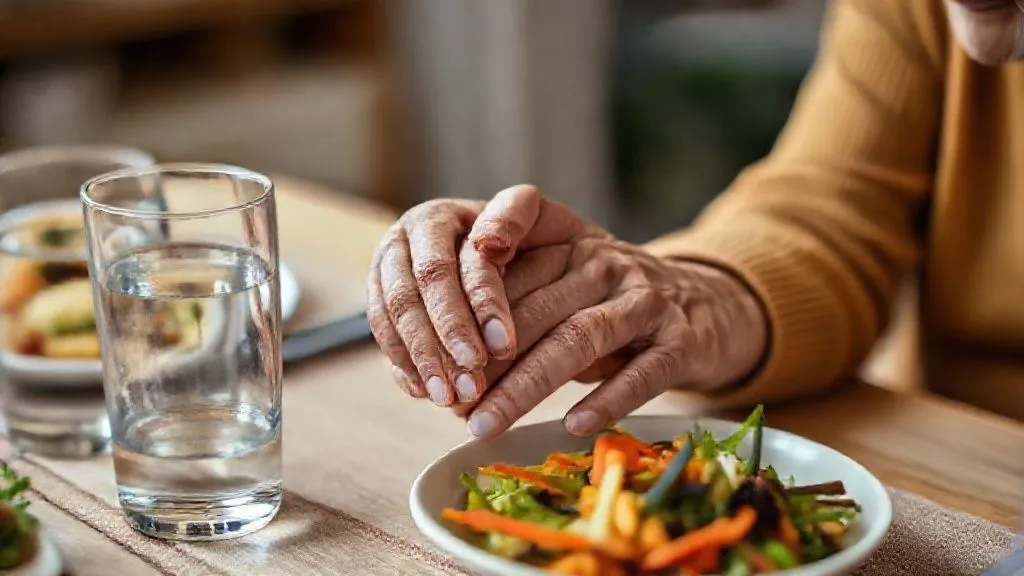
What to Do About Rapid Unexplained Weight Loss in Elderly Patients?
For over two decades specializing in geriatric nutrition and well-being, I’ve witnessed the silent alarm of rapid weight loss in seniors. It’s a common, yet often overlooked, indicator that something significant is amiss, and it demands immediate, informed attention. The fear and confusion I see in families when a loved one starts to visibly decline is palpable.
This isn't merely a cosmetic change; rapid, unexplained weight loss in elderly patients is a profound health concern, often signaling underlying medical conditions, nutritional deficiencies, or psychosocial distress. It can significantly impact quality of life, increase frailty, and lead to poorer health outcomes if not addressed promptly and effectively.
In this comprehensive guide, I will share my expert insights and provide a systematic, actionable framework for understanding, identifying, and intervening when faced with rapid unexplained weight loss in an elderly loved one. We'll explore common culprits, critical assessment steps, and practical strategies, empowering you with the knowledge to make a tangible difference.
Understanding the 'Unexplained': Common Culprits Behind Senior Weight Loss
When I encounter cases of rapid weight loss in elderly patients, my first thought is always to look beyond the obvious. It’s rarely just about 'eating less.' The human body, especially as it ages, is a complex system, and weight loss can be a symptom of a wide array of interconnected issues.
Medical Conditions & Chronic Diseases
Many chronic illnesses prevalent in older adults can directly or indirectly lead to weight loss. Conditions like cancer, chronic obstructive pulmonary disease (COPD), heart failure, and kidney disease often increase metabolic demands or cause symptoms that interfere with eating. Hyperthyroidism, for instance, can drastically increase metabolism, while gastrointestinal disorders like Crohn's disease or celiac disease can impair nutrient absorption. It's crucial to consider these systemic health issues.
Oral Health Issues & Dysphagia
Imagine trying to enjoy a meal when every bite causes pain. Poor dental health, ill-fitting dentures, or untreated gum disease can make eating a painful ordeal, leading to reduced food intake. Furthermore, dysphagia (difficulty swallowing) is surprisingly common in seniors, especially those with neurological conditions like stroke, Parkinson's disease, or advanced dementia. This can lead to fear of choking, reduced intake, and even aspiration pneumonia.
Medication Side Effects
Polypharmacy, the use of multiple medications, is a reality for many seniors. I've often seen how medications can cause a cascade of side effects that impact appetite and digestion. Common culprits include drugs that cause nausea, altered taste perception (dysgeusia), dry mouth (xerostomia), or constipation. Diuretics can lead to fluid loss mistaken for weight loss, and some antidepressants or stimulants can suppress appetite. Always review the medication list with a healthcare professional.

Psychosocial Factors: Depression, Loneliness, Dementia
The mind-body connection is incredibly powerful, and nowhere is this more evident than in a senior's nutritional status. Depression, often underdiagnosed in the elderly, can severely dampen appetite and interest in food. Loneliness and social isolation can lead to skipping meals, as eating alone can feel less appealing. Cognitive decline, particularly dementia, can manifest in forgetting to eat, difficulty with utensils, or an inability to recognize hunger cues. These emotional and mental health aspects are paramount.
Nutritional Deficiencies & Malabsorption
Sometimes, even if an elderly person is eating, they might not be absorbing nutrients effectively. Age-related changes in the digestive system, certain medications, or underlying conditions can lead to malabsorption. This can result in a vicious cycle where poor nutrient intake further weakens the body, exacerbating weight loss. Specific deficiencies, like B12 or iron, can also impact appetite and energy levels.
The Critical First Step: Comprehensive Medical Evaluation
When you observe rapid unexplained weight loss in elderly patients, the very first and most crucial step is to seek a comprehensive medical evaluation. This is not a situation for guesswork or home remedies. As an expert, I cannot stress enough the importance of a thorough diagnostic process to uncover the root cause.
What to Expect from a Doctor's Visit
The primary care physician should be your first point of contact. They will likely conduct a detailed medical history, including questions about diet, appetite changes, bowel habits, medication use, and any new symptoms. Be prepared to discuss the timeline of weight loss, estimated amount, and any associated changes in behavior or mood. A physical examination will assess overall health, looking for signs of disease, muscle wasting, or dehydration.
Essential Diagnostic Tests
Depending on the initial assessment, the doctor may order a range of diagnostic tests. These could include blood tests to check for anemia, thyroid function, kidney and liver function, inflammatory markers, and nutrient deficiencies. Stool samples might be requested to check for malabsorption or gastrointestinal bleeding. Imaging studies, such as X-rays, CT scans, or endoscopies, could be necessary to investigate internal organ health or rule out malignancies. The goal is to cast a wide net to pinpoint the exact cause.
- Document Everything: Before the appointment, meticulously record the approximate weight loss (e.g., '10 pounds in 2 months'), when it started, and any associated symptoms (nausea, pain, fatigue, mood changes). This data is invaluable.
- List All Medications: Bring a complete, up-to-date list of all prescription drugs, over-the-counter medications, and supplements your loved one is taking.
- Prepare Questions: Write down your questions in advance. Ask about potential causes, recommended tests, and what to expect next.
- Advocate for a Comprehensive Approach: Don't hesitate to ask for referrals to specialists like a geriatrician, gastroenterologist, or dietitian if the initial evaluation doesn't yield clear answers.
- Follow Up Diligently: Ensure all recommended tests are completed and follow up on results. Don't assume 'no news is good news.'
Nutritional Interventions: Rebuilding Strength & Health
Once underlying medical causes are being addressed, nutritional intervention becomes paramount. My philosophy here is simple: focus on nutrient density and making every calorie count. It's about strategic eating, not just more eating.
Dietary Modifications for Enhanced Calorie & Nutrient Intake
For seniors experiencing rapid unexplained weight loss, the goal is often to increase caloric and protein intake without overwhelming their system. This means opting for nutrient-dense foods that pack a punch. Small, frequent meals are often more manageable than large ones. Enriching foods with extra calories and protein can also be highly effective.
- High-Calorie, Nutrient-Dense Foods: Incorporate foods like avocados, nuts, nut butters, olive oil, full-fat dairy, and lean proteins (chicken, fish, eggs, tofu).
- Fortify Meals: Add powdered milk or protein powder to soups, casseroles, and mashed potatoes. Use butter, cream, or cheese generously where appropriate.
- Small, Frequent Meals: Instead of three large meals, aim for 5-6 smaller meals and snacks throughout the day. This can be less daunting and aid digestion.
- Hydration with Calories: Offer caloric beverages like milk, juice, or nutritional shakes instead of just water between meals, as water can fill them up without providing calories.
The Role of Supplements and Oral Nutritional Support
Sometimes, dietary modifications alone aren't enough. This is where oral nutritional supplements (ONS) can play a vital role. These are specially formulated drinks or puddings designed to provide a concentrated source of calories, protein, vitamins, and minerals. They can be a lifesaver for those with poor appetite or difficulty consuming solid foods. I often recommend consulting with a registered dietitian to choose the most appropriate ONS and integrate it effectively into the daily routine.
| Nutrient | Importance for Seniors | Food Sources |
|---|---|---|
| Protein | Muscle maintenance, immune function, wound healing | Lean meats, fish, eggs, dairy, legumes |
| Vitamin D | Bone health, immune support, muscle strength | Fortified milk, fatty fish, sunlight exposure |
| B12 | Nerve function, red blood cell formation, cognitive health | Meat, fish, poultry, fortified cereals |
Addressing Appetite Loss and Eating Challenges
Appetite loss is a significant hurdle when dealing with rapid unexplained weight loss in elderly patients. It's not enough to simply offer food; we must create an environment and employ strategies that encourage eating and make it an enjoyable experience.
Strategies for Stimulating Appetite
There are several practical ways to make food more appealing and stimulate a flagging appetite. Presentation matters immensely – a colorful, attractively plated meal can be more inviting than a bland one. Aromas can also play a powerful role; cooking favorite foods or using herbs and spices can awaken the senses.
- Flavor Enhancement: Use herbs, spices, lemon juice, or small amounts of flavorful sauces to make food more appealing, especially if taste perception is diminished.
- Flexible Meal Times: Don't force strict meal schedules. Offer food when the person feels hungry, even if it's outside traditional meal times.
- Limit Beverages Before Meals: Avoid offering large amounts of liquids right before a meal, as this can fill them up prematurely.
- Physical Activity (as tolerated): Light physical activity, even a short walk, can sometimes stimulate appetite.
Making Mealtimes Enjoyable and Accessible
The social and emotional context of eating is often as important as the food itself. A pleasant, relaxed environment can significantly improve food intake. For individuals with cognitive or physical limitations, adapting the mealtime experience is crucial.
- Create a Pleasant Atmosphere: Ensure the dining area is well-lit, comfortable, and free from distractions like a blaring TV. Play soft music if desired.
- Eat Together: Whenever possible, share meals. Social interaction during eating can make it more enjoyable and encourage intake.
- Offer Finger Foods: For those with dexterity issues or cognitive decline, nutrient-dense finger foods (e.g., cheese cubes, fruit slices, mini sandwiches) can be easier to manage.
- Adaptive Utensils: Consider using adaptive plates, cups, or utensils if motor skills are compromised.
- Respect Preferences: Offer foods they genuinely enjoy, even if it seems repetitive. A preferred food eaten is better than a 'perfect' meal left untouched.
"In my experience, consistent, compassionate monitoring by a dedicated caregiver can be just as vital as any medical intervention. It's about seeing the person, not just the problem."
Case Study: Mrs. Eleanor Vance's Journey Back to Health
Case Study: How Consistent Care Reversed Weight Loss
I recall a challenging case involving Mrs. Eleanor Vance, an 88-year-old woman who had experienced a rapid, unexplained weight loss of 15 pounds over three months following the loss of her beloved cat. Initially, her family attributed it to grief, but her GP noted significant muscle wasting and fatigue, prompting a referral to me.
My assessment revealed that while grief was a contributing factor, Mrs. Vance also had undiagnosed dysphagia, making swallowing painful, and she was experiencing significant medication side effects (nausea from a new blood pressure medication). The combination meant she was barely eating, leading to a vicious cycle of weakness and further appetite loss.
Working with her GP, we adjusted her medication, and I introduced a thickened liquid diet and pureed nutrient-dense meals. Her family, with my guidance, started preparing her favorite comfort foods, pureed but still visually appealing. They also ensured she ate in a quiet, calm environment, with someone present to offer encouragement and monitor her intake.
Within six weeks, Mrs. Vance regained 5 pounds, and her energy levels improved significantly. The family's consistent, compassionate approach, combined with medical and nutritional adjustments, reversed her decline. This case vividly illustrates that addressing rapid unexplained weight loss in elderly patients requires a multi-faceted approach, often involving medical, nutritional, and psychosocial interventions. Her story, while fictional, mirrors countless real-world successes I’ve witnessed, proving that with the right strategy, recovery is often possible.
Preventing Future Weight Loss: A Proactive Approach
Once a senior's weight loss has been addressed, the focus shifts to prevention. My goal is always to empower individuals and their caregivers to adopt proactive strategies that foster long-term health and well-being, minimizing the risk of recurrence.
Regular Health Check-ups and Screenings
Ongoing medical oversight is crucial. Regular check-ups allow healthcare providers to monitor for new or worsening conditions, review medications, and conduct routine screenings for issues that could impact nutritional status. Early detection of any potential problem is key to preventing another episode of rapid weight loss.
As the American Geriatrics Society often emphasizes, proactive health management in older adults is far more effective than reactive crisis intervention. These visits provide an opportunity to discuss any subtle changes in appetite, energy, or mood before they escalate into significant weight loss.
Promoting Physical Activity and Muscle Maintenance
Physical activity, even light exercise, plays a vital role in maintaining appetite, muscle mass, and overall vitality. Sarcopenia, the age-related loss of muscle mass, can accelerate weight loss and frailty. Encouraging activities like walking, gentle stretching, or chair exercises can stimulate appetite and help preserve muscle, which is metabolically active tissue.
| Preventative Strategy | Frequency | Key Focus |
|---|---|---|
| Regular Medical Check-ups | Annually or as directed | Early detection of underlying conditions |
| Nutritional Screening | Every 6-12 months | Identify risk for malnutrition before it becomes severe |
| Strength Training | 2-3 times per week | Combat sarcopenia and maintain metabolic rate |
Ongoing Nutritional Assessment
A registered dietitian can be an invaluable partner in long-term prevention. They can conduct regular nutritional assessments, identify potential deficiencies, and adjust dietary plans as needs change. This might involve recommending specific supplements, suggesting new food fortification strategies, or providing education on healthy aging nutrition. According to a study published in the Journal of the American Medical Directors Association, regular nutritional screening significantly reduces the incidence of malnutrition in nursing home residents, highlighting its preventative power.
When to Seek Urgent Medical Attention
While this article provides a comprehensive guide, it's essential to recognize when a situation demands immediate professional intervention. Rapid unexplained weight loss in elderly patients can sometimes be a sign of acute, life-threatening conditions. Trust your instincts.
Recognizing Red Flags
Certain symptoms, when accompanying weight loss, should prompt an urgent call to the doctor or even a visit to the emergency room. These are not exhaustive but represent critical warning signs that I’ve learned to prioritize in my years of practice.
- Severe Dehydration: Sunken eyes, extreme thirst, confusion, dizziness, or very dry mouth.
- Persistent Vomiting or Diarrhea: Especially if accompanied by signs of dehydration.
- High Fever or Chills: Could indicate a severe infection.
- New or Worsening Pain: Particularly abdominal pain, chest pain, or severe headaches.
- Difficulty Breathing or Shortness of Breath: A critical sign that needs immediate attention.
- Sudden Changes in Mental Status: Acute confusion, disorientation, or unresponsiveness.
- Presence of Blood: In vomit, stool, or urine.
When in doubt, always err on the side of caution and seek medical advice. As Harvard Health Publishing often reiterates, many serious conditions present with non-specific symptoms in the elderly, making vigilance paramount. Don't hesitate to contact your healthcare provider.
Frequently Asked Questions (FAQ)
Q: How much weight loss is considered 'rapid' or 'unexplained' in an elderly person? A: Generally, a loss of 5% or more of body weight over 3-6 months, or 10% over 6-12 months, is considered clinically significant and warrants investigation. However, any noticeable, unintentional weight loss should be discussed with a doctor, especially if it's accompanied by other symptoms or a decline in function.
Q: Can depression alone cause significant weight loss in seniors? A: Absolutely. Depression can profoundly impact appetite, motivation to eat, and overall interest in food. It's a common, yet often overlooked, cause of weight loss in the elderly. Treating depression can often lead to a significant improvement in nutritional status.
Q: What role does exercise play in managing weight loss in the elderly? A: Exercise, particularly resistance training, is vital. It helps to build and maintain muscle mass, combat sarcopenia, improve appetite, and boost overall energy levels. Even light, appropriate exercise can make a significant difference in preventing and reversing weight loss. Consult a doctor before starting any new exercise regimen.
Q: Are there specific foods I should avoid if my elderly loved one is losing weight? A: While the focus is on nutrient-dense foods, it's generally wise to limit 'empty calorie' foods that offer little nutritional value (e.g., sugary drinks, highly processed snacks) as they can fill up the person without providing essential nutrients. The exception might be if these are the *only* foods they will consume, in which case, caloric intake might take temporary precedence.
Q: How can I encourage an elderly person with dementia to eat more? A: This is challenging but crucial. Strategies include establishing a routine, offering familiar and favorite foods, reducing distractions, providing finger foods, using adaptive utensils, and offering small, frequent meals. Patience, empathy, and a calm environment are key. Sometimes, simplifying choices and even hand-feeding can be necessary.
Key Takeaways and Final Thoughts
Addressing rapid unexplained weight loss in elderly patients is a complex but critically important endeavor. It requires a holistic, empathetic, and informed approach. As someone who has dedicated their career to this niche, I want to emphasize that you are not alone in facing this challenge, and there are concrete steps you can take to make a difference.
- Prioritize Medical Evaluation: Always start with a thorough doctor's visit to rule out or diagnose underlying medical conditions.
- Focus on Nutrient Density: Every bite counts. Strategically choose foods rich in calories, protein, and essential nutrients.
- Address Appetite & Environment: Create pleasant, accessible mealtimes and employ strategies to stimulate a flagging appetite.
- Leverage Support Systems: Don't underestimate the power of caregivers, dietitians, and community resources.
- Be Proactive: Implement long-term preventative measures to maintain health and prevent recurrence.
Remember, the goal isn't just to gain weight, but to restore vitality, improve quality of life, and ensure dignity in aging. Your vigilance and informed actions can be the turning point. By following these expert-backed strategies, you can confidently navigate the challenges of senior weight loss and contribute significantly to the well-being of your elderly loved ones.
Recommended Reading
- Inner Peace After Job Loss: The Ultimate Guide to Finding Calm
- 5 Proven Strategies: Addressing Vaccine Hesitancy in Patient Visits
- 7 Pillars: Combat Executive Burnout & Optimize Brain Health Effectively
- Neuropathic Pain Relief: 7 Steps When Therapeutic Exercise Fails
- Desk Pain? 7 Fast Relief Strategies for Severe Work Muscle Soreness







0 Comentários: