 By
By 
How do professionals avoid weight gain when constantly traveling for work?
For nearly two decades immersed in the health and fitness industry, I've witnessed a recurring challenge that often goes unaddressed in corporate wellness discussions: the insidious creep of travel weight gain. I’ve seen countless high-flying executives, sales professionals, and consultants, initially vibrant and fit, slowly succumb to the relentless demands of the road. It’s not a lack of willpower; it’s a systemic problem rooted in unpredictable schedules, limited healthy options, and the sheer exhaustion that comes with constant movement.
The professional traveler faces a unique gauntlet of dietary and lifestyle disruptions. Time zones wreak havoc on sleep, airport food courts beckon with convenient (but often unhealthy) choices, hotel gyms can be intimidating or non-existent, and client dinners often involve rich meals and alcohol. This perfect storm of factors makes maintaining a healthy weight feel like an impossible feat, leading to frustration, decreased energy, and long-term health risks. A study published in the Journal of Occupational and Environmental Medicine highlighted that frequent business travel is indeed associated with higher BMI and an increased risk of obesity.
But it doesn't have to be this way. Through years of coaching and personal experience navigating this very landscape, I've developed a robust framework of actionable strategies designed specifically for the road warrior. This article will not just outline what to do, but how to do it effectively, integrating practical tips, expert insights, and real-world examples that empower you to proactively manage your health, maintain your ideal weight, and thrive, no matter how many miles you log. Get ready to reclaim control over your well-being.
Strategic Meal Planning: Your First Line of Defense
The most effective way to avoid weight gain when constantly traveling for work begins long before you even leave your home. Strategic meal planning and preparation are not just for stay-at-home parents; they are absolutely critical for the frequent business traveler. This proactive approach minimizes reliance on unpredictable and often unhealthy travel options, putting you in the driver's seat of your nutrition.
Pre-Trip Preparation: The Non-Negotiables
Before any trip, take a moment to consider your dietary needs and potential challenges. This foresight can save you from impulsive, unhealthy choices.
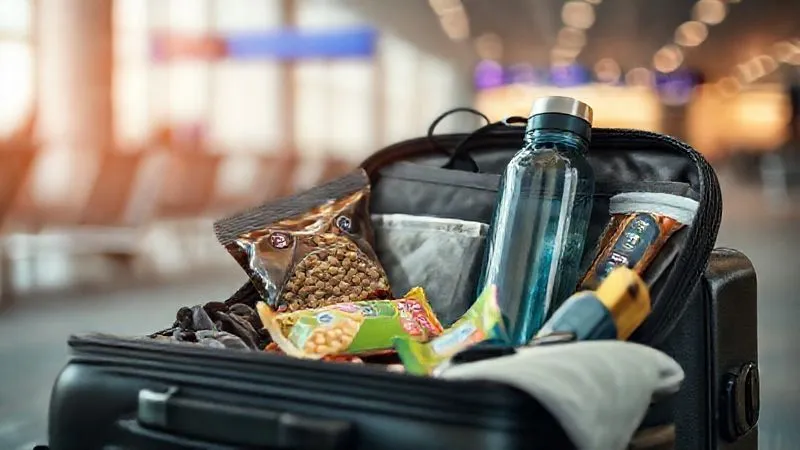
- Pack Smart Snacks: Always have a stash of non-perishable, healthy snacks in your carry-on. Think protein bars (low sugar), individual nut packs, dried fruit (in moderation), or even small bags of air-popped popcorn. These are your emergency rations against hunger pangs that strike in an airport terminal or during a long meeting.
- Research Your Destination: Use apps or quick online searches to identify healthy grocery stores or restaurants with nutritious options near your hotel or meeting venues. Knowing where to find fresh produce or a salad bar can be a game-changer.
- Hydration Heroes: Don't forget your reusable water bottle. Staying hydrated is paramount, and having your own bottle encourages consistent water intake, reducing the temptation for sugary drinks.
"Failing to plan is planning to fail, especially when it comes to nutrition on the road. Your carry-on should be an extension of your healthy pantry."
Here are some actionable steps to integrate into your pre-travel routine:
- Map Your Meals: For longer trips, consider mapping out potential breakfast, lunch, and dinner spots for at least the first day or two. This reduces decision fatigue when you're tired.
- Pack Protein Powder: A small container of protein powder can be a lifesaver. Mix it with water or hotel coffee for a quick, filling, and muscle-preserving breakfast or snack.
- Order Groceries Ahead: If you're staying in an extended-stay hotel or an Airbnb with a kitchen, arrange for a grocery delivery service to stock your fridge with healthy staples like eggs, yogurt, fruits, and vegetables upon arrival.
Mastering the Art of Eating Out & On the Go
Even with the best planning, you'll inevitably find yourself eating out. The key is to develop strategies that allow you to enjoy your meals without derailing your health goals. This is where mindful eating and strategic ordering come into play.
Decoding Restaurant Menus
Restaurants, especially those catering to business travelers, often feature rich, high-calorie dishes. However, most menus also offer healthier alternatives if you know what to look for.
- Prioritize Protein and Vegetables: Look for grilled fish, chicken, or lean cuts of meat. Pair them with steamed vegetables, a side salad (dressing on the side), or a baked potato instead of fries or creamy sides.
- Ask for Modifications: Don't be afraid to request changes. Ask for sauces on the side, dishes to be grilled or baked instead of fried, or extra vegetables instead of starches. Most restaurants are accommodating.
- Be Wary of "Healthy" Traps: Salads can be deceptive. A large salad loaded with fried chicken, cheese, bacon, and creamy dressing can have more calories than a burger. Opt for lean protein and vinaigrette dressings.
According to Harvard Health Publishing, making smart choices at restaurants involves focusing on preparation methods and portion control. Avoid anything described as crispy, creamy, battered, or fried.
Airport & Hotel Dining Survival Guide
Airport terminals and hotel restaurants are notorious for their limited healthy choices. This is where your packed snacks become invaluable, but if you must buy, make smart choices.
- Airport Options: Seek out places offering salads, fruit cups, yogurt parfaits, or whole-grain sandwiches. Avoid fast-food combos and sugary pastries. Many airports now have healthier options like Pret A Manger or fresh juice bars.
- Hotel Breakfast Buffets: While tempting, these can be calorie bombs. Focus on eggs, fresh fruit, oatmeal (plain, add your own nuts/fruit), and whole-wheat toast. Skip the pastries, sugary cereals, and processed meats.
Case Study: How Sarah, a Marketing Consultant, Conquered Client Dinners
Sarah, a marketing consultant who traveled 3-4 days a week, struggled with the constant pressure of client dinners. She found herself overeating rich meals and drinking too much, feeling sluggish and gaining weight. By implementing a 'pre-dinner snack' strategy (a protein bar or handful of nuts 30 minutes before), consciously choosing water with lemon for every alcoholic drink, and pre-scanning menus for healthier options, she significantly reduced her caloric intake without feeling deprived or socially awkward. She would often order an appetizer as her main course or share a larger entree. Within two months, she lost 5 pounds and felt more energetic and focused during her trips, proving that strategic planning can turn a significant challenge into a victory for health.
Efficient Fitness Routines for the Road Warrior
One of the biggest excuses for travel weight gain is the disruption of a regular fitness routine. However, maintaining physical activity while traveling doesn't require hours in a state-of-the-art gym. It requires creativity, consistency, and a commitment to moving your body, even in short bursts.
Hotel Room Workouts: No Equipment, No Excuses
Your hotel room can be your personal gym. Bodyweight exercises are incredibly effective for building strength, improving cardiovascular health, and boosting metabolism. The key is to make them a non-negotiable part of your day.
- Dynamic Warm-up: Start with 5 minutes of light cardio like jumping jacks or high knees.
- Strength Circuit: Perform 3-4 rounds of exercises such as push-ups (on knees or toes), squats, lunges, planks, and glute bridges. Aim for 10-15 repetitions per exercise.
- Cardio Burst: Incorporate burpees or mountain climbers for 1-2 minutes between strength rounds.
- Cool-down & Stretch: Finish with 5 minutes of stretching to improve flexibility and aid recovery.
Actionable steps for your hotel room workout:
- Schedule It: Treat your workout like any other important business meeting. Block out 20-30 minutes in your calendar.
- Use Apps: Utilize fitness apps like the "Seven" app (7-minute workouts) or YouTube videos for guided routines that require no equipment.
- Pack Resistance Bands: These lightweight, versatile tools can add resistance to squats, lunges, and upper body exercises, intensifying your workout without taking up much space.
Leveraging Hotel Gyms & Local Opportunities
If your hotel has a gym, great! Even a small gym can offer opportunities for a solid workout. If not, explore the local environment.
- Quick Gym Hits: Focus on compound movements (squats, deadlifts, presses) or use cardio machines for a high-intensity interval training (HIIT) session to maximize time. Thirty minutes of focused effort is far better than an hour of half-hearted exercise.
- Explore on Foot: Instead of taking a taxi, walk to nearby meetings or explore the city on foot during downtime. This is an excellent way to get steps in, burn calories, and experience your destination. Many cities offer walking tours or scenic running paths.
- Find a Local Class: If you have more time, look for a local yoga studio, spin class, or gym that offers day passes. It's a great way to try something new and stay active.
| Workout Type | Time Commitment | Equipment Needed | Benefits |
|---|---|---|---|
| Hotel Room Bodyweight | 15-30 min | None | Flexibility, core strength, cardio burst |
| Hotel Gym Quick Hit | 30-45 min | Resistance bands, free weights | Strength, endurance, stress relief |
| Local Exploration Walk/Run | 30-60 min | Good shoes | Cardio, mental clarity, sightseeing |
Prioritizing Sleep & Managing Travel Stress
Sleep deprivation and chronic stress are silent saboteurs of weight management, especially for professionals who constantly travel for work. Both disrupt hormones that regulate appetite and metabolism, making it incredibly difficult to avoid weight gain.
Battling Jet Lag & Optimizing Sleep
Frequent time zone changes wreak havoc on your circadian rhythm, leading to jet lag. Poor sleep increases cortisol (a stress hormone) and ghrelin (a hunger hormone), while decreasing leptin (a satiety hormone), making you crave unhealthy foods.
- Adjust Gradually: If possible, start adjusting your sleep schedule a few days before your trip, shifting towards the destination's time zone.
- Melatonin: Consider a low dose of melatonin (0.5-3mg) an hour before your desired bedtime at your destination to help reset your internal clock.
- Create a Sleep Sanctuary: In your hotel room, use earplugs and an eye mask. Keep the room cool, dark, and quiet. Avoid screens (phone, laptop, TV) for at least an hour before bed.
- Consistent Bedtime: Try to maintain a consistent sleep schedule, even on weekends, to stabilize your body's natural rhythm.
As the National Sleep Foundation emphasizes, managing jet lag effectively is crucial for overall health and cognitive function, directly impacting your ability to make healthy choices.
Mindfulness & Stress Reduction Techniques
Travel is inherently stressful, from airport delays to tight schedules. Chronic stress can lead to emotional eating and increased fat storage around the abdomen.
"Stress is not just a mental burden; it's a physiological response that can directly impact your waistline. Learning to manage it is as important as managing your diet."
- Deep Breathing: Take 5-10 minutes a day for deep, diaphragmatic breathing exercises. This activates your parasympathetic nervous system, promoting relaxation.
- Short Meditations: Use apps like Headspace or Calm for guided meditations, even just for 5-10 minutes. This can be done in an airport lounge, on the plane, or in your hotel room.
- Mindful Moments: Take short breaks throughout your day to simply observe your surroundings, sip your water slowly, or stretch gently. These small pauses can significantly reduce accumulated stress.
Incorporating these stress-reducing practices helps you maintain mental clarity, which is essential for making conscious decisions about food and exercise, rather than succumbing to stress-induced cravings.

Hydration: The Unsung Hero of Travel Wellness
Dehydration is a common yet often overlooked issue for professionals who constantly travel for work. The dry air in airplanes, increased activity, and altered routines can quickly lead to fluid loss. What many don't realize is that dehydration can often be mistaken for hunger, leading to unnecessary snacking and calorie intake.
The Power of Water: More Than Just Thirst Quenching
Adequate hydration plays a critical role in numerous bodily functions that directly impact weight management.
- Metabolism Boost: Water is essential for metabolic processes. Even mild dehydration can slow down your metabolism, making it harder to burn calories efficiently.
- Appetite Suppression: Drinking water before meals can help you feel fuller, leading to reduced food intake. It also helps distinguish true hunger from thirst.
- Energy Levels: Dehydration causes fatigue, which can lead to cravings for quick energy fixes like sugary drinks or snacks. Staying hydrated helps maintain consistent energy.
- Detoxification: Water aids in flushing out toxins and waste products, supporting overall digestive health.
Practical Hydration Strategies
Making hydration a priority while traveling requires conscious effort, but the benefits are immense.
- Carry a Reusable Bottle: As mentioned earlier, this is non-negotiable. Fill it up after security at water fountains or ask flight attendants to refill it.
- Start and End Your Day with Water: Drink a large glass of water immediately upon waking and before going to bed.
- Set Reminders: Use your phone or a smartwatch to set hourly reminders to drink water.
- Limit Dehydrating Beverages: While tempting, excessive coffee and alcohol can contribute to dehydration. Alternate alcoholic drinks with water, and moderate your caffeine intake.
- Eat Water-Rich Foods: Incorporate fruits and vegetables like cucumber, celery, watermelon, and oranges into your diet, as they contribute significantly to your daily fluid intake.
The Mayo Clinic highlights that water is vital for every system in your body, from regulating body temperature to transporting nutrients. For travelers, this becomes even more critical due to environmental factors.
Mindset, Accountability, and Long-Term Sustainability
Even with all the practical strategies in place, the mental game is what truly determines long-term success in avoiding weight gain when constantly traveling for work. It's about developing a resilient mindset, fostering accountability, and understanding that consistency, not perfection, is the goal.
Developing a Resilient Travel Mindset
Travel inevitably throws curveballs. Flights get delayed, healthy options disappear, and exhaustion sets in. A rigid, all-or-nothing approach often leads to frustration and giving up.
- Embrace Imperfection: Accept that some days will be better than others. One missed workout or an indulgent meal won't derail your entire progress. What matters is how you recover and get back on track.
- Focus on Progress, Not Perfection: Celebrate small victories. Did you choose water over soda? Did you get a 15-minute walk in? These small, consistent efforts add up over time.
- Practice Self-Compassion: Be kind to yourself. Traveling is hard. Instead of self-criticism, acknowledge the challenges and recommit to your goals.
"Your mindset is your most powerful tool on the road. Cultivate resilience and self-compassion; they are the bedrock of sustainable healthy habits, especially when facing travel's unpredictable nature."
Building Accountability & Support Systems
Going it alone can be tough. Creating mechanisms for accountability can significantly boost your success.
- Find a Travel Buddy: If you travel with colleagues, encourage each other to make healthy choices, work out together, or explore healthy dining options.
- Engage a Coach: A fitness or nutrition coach specializing in travel wellness can provide personalized guidance, motivation, and accountability.
- Track Your Progress: Use a simple journal or an app to log your food, workouts, and sleep. Seeing your progress (or identifying areas for improvement) can be incredibly motivating.
- Communicate Your Goals: Let your family, friends, or even close colleagues know your commitment to staying healthy while traveling. Their understanding and support can make a big difference.
Building a robust support system and cultivating a flexible mindset are crucial for transforming temporary fixes into sustainable healthy lifestyle habits that withstand the rigors of frequent travel.

Leveraging Technology for Health On The Go
In today's digital age, technology can be a powerful ally for professionals aiming to avoid weight gain when constantly traveling for work. From fitness apps to wearable devices, these tools offer convenience, tracking, and motivation right at your fingertips, making healthy choices more accessible than ever.
Fitness & Nutrition Apps: Your Pocket Coach
There's an app for almost everything, and health and fitness are no exception. These tools can help you track, plan, and execute your wellness goals efficiently.
- Calorie & Macro Trackers: Apps like MyFitnessPal or Lose It! allow you to log your food intake, track calories, and monitor macronutrients. Many have extensive databases that include restaurant foods, making it easier to log meals while dining out.
- Workout Apps: Apps like Peloton, Nike Training Club, or the aforementioned Seven app offer a vast library of guided workouts that can be done in a hotel room, gym, or even an airport lounge. They provide structure and motivation, regardless of available equipment.
- Mindfulness & Sleep Apps: Headspace, Calm, and Sleep Cycle can help manage stress, improve sleep quality, and even provide guided meditations for jet lag recovery.
Wearable Tech: Tracking Progress, Staying Motivated
Smartwatches and fitness trackers have evolved into sophisticated health companions, providing real-time data and insights into your activity levels, sleep patterns, and even stress.
- Activity Tracking: Monitor your daily steps, active minutes, and calories burned. Setting daily step goals can encourage you to take the stairs, walk to meetings, or do an extra lap around the terminal.
- Sleep Monitoring: Gain insights into your sleep duration and quality, helping you identify patterns and make adjustments to improve rest despite travel disruptions.
- Heart Rate & Stress Monitoring: Some devices offer continuous heart rate tracking and stress level assessments, providing valuable data to help you understand your body's response to travel and make proactive changes.
By integrating these technological tools, you can maintain a high level of awareness about your health metrics, stay accountable, and adapt your strategies on the fly, making it significantly easier to avoid weight gain while traveling.
| Tech Tool | Primary Function | Travel Benefit |
|---|---|---|
| MyFitnessPal | Calorie/macro tracking | Database of restaurant foods, quick logging |
| Seven App | 7-minute workouts | No equipment, short bursts, hotel room friendly |
| Headspace/Calm | Meditation, sleep aids | Stress reduction, jet lag management |
| Fitness Tracker (e.g., Garmin, Apple Watch) | Activity, sleep, heart rate tracking | Motivation, progress monitoring, routine consistency |
Frequently Asked Questions (FAQ)
How do I handle client dinners where I'm expected to drink and eat lavishly? This is a common challenge. My advice is to be proactive and discreet. Before the dinner, have a light, protein-rich snack to curb your hunger. When ordering, choose wisely: opt for grilled proteins, ask for sauces on the side, and load up on vegetables. For drinks, alternate alcoholic beverages with water or sparkling water with lime. You can also subtly signal to the server that you're driving or have an early morning, which often reduces pressure to drink heavily. Remember, you can participate socially without overindulging.
What if my hotel doesn't have a gym or suitable space for exercise? No gym? No problem. Your hotel room is still a viable workout space. Focus on bodyweight exercises like squats, lunges, push-ups, planks, and burpees. You can find many excellent guided hotel room workouts on YouTube or via fitness apps that require no equipment. Additionally, use the hotel stairs for cardio, or take advantage of the local area for a brisk walk or run. Even 15-20 minutes of movement can make a significant difference.
Is it okay to skip meals sometimes while traveling to compensate for overeating? While the idea of "compensating" might seem logical, skipping meals often backfires. It can lead to extreme hunger later, causing you to overeat or make poor food choices. Instead of skipping, focus on mindful eating and portion control at your next meal. If you had a heavy dinner, make your next breakfast lighter and packed with protein and fiber. Consistency in healthy eating, rather than drastic compensation, is more effective for weight management.
How can I manage the mental fatigue of constant travel that often leads to unhealthy choices? Mental fatigue is a huge factor. Prioritize sleep by creating a dark, quiet hotel room environment and adhering to a consistent sleep schedule as much as possible. Incorporate short mindfulness breaks, deep breathing exercises, or even a few minutes of meditation to recharge. Plan your schedule to include small pockets of downtime. When you're mentally refreshed, you're far less likely to succumb to emotional eating or skip workouts.
What are the best non-perishable snacks to pack for long flights or busy days? For non-perishable options, I highly recommend individual packs of nuts (almonds, walnuts), high-protein/low-sugar energy bars, dried fruit (in moderation), beef jerky (low sodium), whole-grain crackers with individual packets of nut butter, and air-popped popcorn. These provide sustained energy, fiber, and protein, helping you avoid the temptation of airport junk food and vending machine snacks.
Key Takeaways and Final Thoughts
Navigating the demands of frequent business travel while maintaining your health and avoiding weight gain is undeniably challenging, but it is far from impossible. As an industry specialist who has seen countless professionals struggle and succeed, I can assure you that with the right strategies, mindset, and tools, you can thrive on the road.
Here are the critical, actionable takeaways:
- Prioritize Proactive Planning: Your success begins before you leave home. Pack smart snacks, research healthy dining options, and plan your meals.
- Master Mindful Eating: Learn to decode menus, ask for modifications, and make conscious choices whether you're in an airport, a hotel, or a client dinner.
- Embrace Efficient Movement: Integrate short, effective workouts into your routine, utilizing hotel rooms, gyms, or local exploration to stay active.
- Guard Your Sleep & Sanity: Prioritize quality sleep to combat jet lag and practice stress-reduction techniques to manage the mental toll of travel.
- Hydrate Relentlessly: Carry a reusable water bottle and make consistent hydration a non-negotiable to boost metabolism and curb false hunger.
- Cultivate a Resilient Mindset: Accept imperfection, focus on progress, and practice self-compassion. Build accountability systems to stay on track.
- Leverage Technology: Utilize apps and wearables for tracking, guidance, and motivation, turning your devices into health allies.
Remember, this isn't about perfection; it's about consistency and making the best possible choices in often less-than-ideal circumstances. By integrating these strategies, you'll not only avoid the dreaded travel weight gain but also boost your energy, improve your focus, and enhance your overall well-being, enabling you to perform at your peak, no matter where your professional journey takes you. Your health is your most valuable asset – invest in it wisely, even when you're thousands of miles from home.
Recommended Reading
- HRT & Heart Health: 7 Strategies to Mitigate Menopausal CV Risk
- Severe PIH After Chemical Peels? 7 Steps to Reclaim Clear Skin
- Unlock Your Strength: How to Effectively Strengthen Pelvic Floor After Childbirth
- 7 Strategies: Overcoming Health Equity Barriers in Preventive Care
- 7 Keys to Crafting Irresistible Healthy Recipes for Chronic Disease Patients








0 Comentários: