 By
By 
How to Quickly Improve Balance After a Fall to Prevent Future Incidents?
For over two decades in the 'Aging Well' niche, I’ve witnessed the profound impact a single fall can have on an individual's life. It's not just the physical injury; it's the insidious erosion of confidence, the fear of another tumble, and the subsequent withdrawal from activities that once brought joy. I've seen vibrant individuals become hesitant, their world shrinking, all because of that one moment of instability.
The problem is clear: a fall often triggers a vicious cycle. The initial incident can lead to a fear of falling (FOF), which in turn causes reduced activity, muscle weakness, and, ironically, an increased risk of future falls. Many feel lost, unsure of how to regain their footing, literally and metaphorically, and the advice often feels generic or overwhelming. They desperately seek guidance on how to quickly improve balance after a fall to prevent future incidents, but actionable, expert-backed strategies are hard to come by.
In this definitive guide, I will share the precise frameworks, practical exercises, and psychological strategies I’ve developed and refined over my career. You'll learn not just what to do, but *why* each step is crucial, enabling you to rebuild your balance, restore your confidence, and proactively safeguard your future mobility. This isn't about quick fixes; it's about intelligent, sustainable recovery.
Understanding the 'Why' Behind Post-Fall Imbalance
Before we dive into solutions, it's vital to understand the multifaceted reasons behind post-fall imbalance. A fall isn't always just a misstep; it's often a symptom of underlying issues, compounded by the event itself. Physically, the impact can cause minor trauma, muscle strain, or even subtle neurological shifts that affect proprioception – your body's sense of its position in space.
Psychologically, the experience is often far more damaging. The brain registers the fall as a threat, leading to heightened anxiety and a subconscious tightening of muscles, which paradoxically can make movement less fluid and more prone to imbalance. This 'fear-avoidance' behavior means you might start walking more cautiously, shuffling your feet, or avoiding certain movements, all of which further diminish your natural balance mechanisms.
Expert Insight: "The body remembers trauma, and the mind magnifies it. Addressing the psychological component of fear of falling is just as critical as the physical rehabilitation. Ignoring it is like trying to build a house on shaky ground."
Common contributing factors to falls include:
- Reduced Muscle Strength: Especially in the legs and core.
- Impaired Vision: Affecting depth perception and obstacle identification.
- Neurological Conditions: Such as Parkinson's disease or neuropathy.
- Medication Side Effects: Dizziness or drowsiness.
- Proprioceptive Decline: Less accurate feedback from joints and muscles.
- Vestibular Dysfunction: Issues with the inner ear's balance system.
- Environmental Hazards: Loose rugs, poor lighting, uneven surfaces.
Immediate Post-Fall Assessment: What to Do First
The moments immediately following a fall are crucial. Your priority should always be safety and assessing for injury before attempting to stand or move. I've counselled countless individuals who, in their haste or embarrassment, tried to get up too quickly, exacerbating minor injuries or causing new ones.
Check for Injuries
Before any movement, take a moment to scan your body. Are you experiencing sharp pain anywhere? Can you move your limbs without severe discomfort? Look for visible signs of injury like swelling, bruising, or deformity. If you suspect a head injury, fracture, or significant pain, do not attempt to move. Call for help immediately. If you are alone and can reach a phone, dial emergency services.
Consult a Healthcare Professional
Even if you feel fine after a fall, I strongly recommend consulting your primary care physician or a physical therapist. They can perform a thorough assessment to rule out hidden injuries, evaluate your balance and gait, and identify underlying medical conditions that might have contributed to the fall. This professional evaluation is a non-negotiable step in learning how to quickly improve balance after a fall to prevent future incidents. According to the World Health Organization, falls are a major global public health problem, and professional assessment is key to prevention.
The Foundation: Rebuilding Core Strength and Stability
Your core is the powerhouse of your body, connecting your upper and lower halves. A strong core isn't just about visible abs; it's about the deep stabilizing muscles that support your spine and pelvis, providing the anchor for all movement. After a fall, these muscles may be weakened or inhibited by pain and fear, making core strengthening a foundational step in regaining balance.
Benefits of a strong core for balance include:
- Improved Posture: A stable core helps maintain an upright, balanced posture.
- Enhanced Proprioception: Better core control means better body awareness.
- Increased Stability: Provides a solid base for limb movements, reducing sway.
- Reduced Risk of Back Pain: Strong core muscles protect the spine.
Key Core Exercises for Balance
Start slowly and focus on controlled movements, engaging your abdominal muscles. Remember, quality over quantity.
- Pelvic Tilts: Lie on your back with knees bent, feet flat. Flatten your lower back into the floor by tightening your abdominal muscles and tilting your pelvis up slightly. Hold for 5 seconds, release. Repeat 10-15 times.
- Bridging: From the pelvic tilt position, press through your heels to lift your hips off the floor, forming a straight line from shoulders to knees. Hold for 5-10 seconds, slowly lower. Repeat 8-12 times.
- Bird-Dog: Start on all fours, hands under shoulders, knees under hips. Slowly extend one arm straight forward and the opposite leg straight back, keeping your core tight and back flat. Hold for 3-5 seconds, return. Alternate sides, 8-10 reps per side.
- Standing Marches: Stand tall, holding onto a stable surface if needed. Slowly lift one knee towards your chest, then lower. Alternate legs. Focus on stability, not height. 10-15 reps per leg.
These exercises help to re-engage and strengthen the deep core muscles crucial for maintaining an upright posture and preventing excessive sway. Consistency is paramount here.
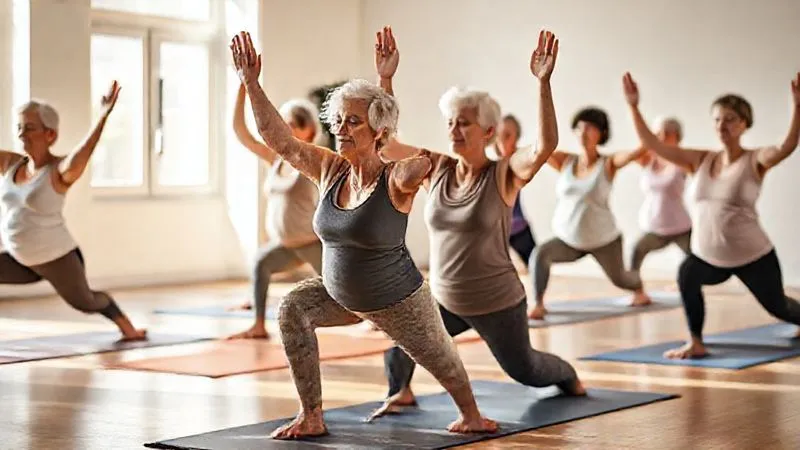
Proprioception Training: Re-educating Your Body's Sensors
Proprioception is your body's sixth sense – the unconscious awareness of where your body parts are in relation to each other and to space, without looking. After a fall, this system can be compromised, leading to a feeling of being 'off-kilter' or unsure of your footing. Re-educating your proprioceptors is a critical step in regaining natural, automatic balance.
Think of it like recalibrating a finely tuned instrument. Your joints, muscles, and tendons contain specialized nerve endings that send constant feedback to your brain. By performing specific exercises that challenge this feedback loop, you can improve its accuracy and responsiveness.
Simple Proprioceptive Drills
Always ensure you have a stable support nearby (a wall, sturdy chair) when performing these exercises, especially initially.
- Single-Leg Stands: Stand next to a counter or wall. Lift one foot an inch off the ground. Try to hold for 10-30 seconds. Progress by closing your eyes (briefly!) or trying it without support. Repeat 3-5 times per leg.
- Heel-to-Toe Walk (Tandem Walk): Walk in a straight line, placing the heel of your front foot directly in front of the toes of your back foot. Imagine walking on a tightrope. Start with short distances and gradually increase.
- Surface Changes: Practice walking on different surfaces – carpet, hard floor, a firm pillow, or even a grassy lawn (ensure no trip hazards). This challenges your proprioceptors to adapt to varied terrain.
- Weight Shifts: Stand with feet hip-width apart. Slowly shift your weight from side to side, then forward and back, without lifting your feet. Feel the pressure change in your soles. This builds awareness of your center of gravity.
A study published by the National Institutes of Health emphasizes the effectiveness of proprioceptive training in improving balance and reducing fall risk in older adults. It's not just about strength, but about refined sensory input.
Dynamic Balance Exercises: Moving Beyond Static Stability
While static balance (standing still) is important, most falls occur during movement – reaching, turning, walking, or navigating obstacles. Dynamic balance training simulates these real-world movements, preparing your body to react effectively to unexpected shifts and challenges. This is where you truly learn how to quickly improve balance after a fall to prevent future incidents in everyday life.
These exercises help your body coordinate multiple muscle groups and sensory systems simultaneously, improving agility and reaction time.
Progressive Dynamic Movements
Again, prioritize safety. Have support readily available and progress gradually as your confidence and ability grow.
- Walking with Head Turns: While walking in a straight line, slowly turn your head from side to side, then up and down. This challenges your vestibular system and your ability to maintain balance while your visual input changes.
- Figure-Eight Walking: Walk in a small figure-eight pattern. This requires continuous changes in direction and shifting your center of gravity. Start with a larger figure-eight and gradually make it smaller.
- Stepping Over Obstacles: Place a small, soft object (like a rolled towel or a pool noodle) on the floor. Practice stepping over it, lifting your feet high enough. Start low and increase height as tolerated.
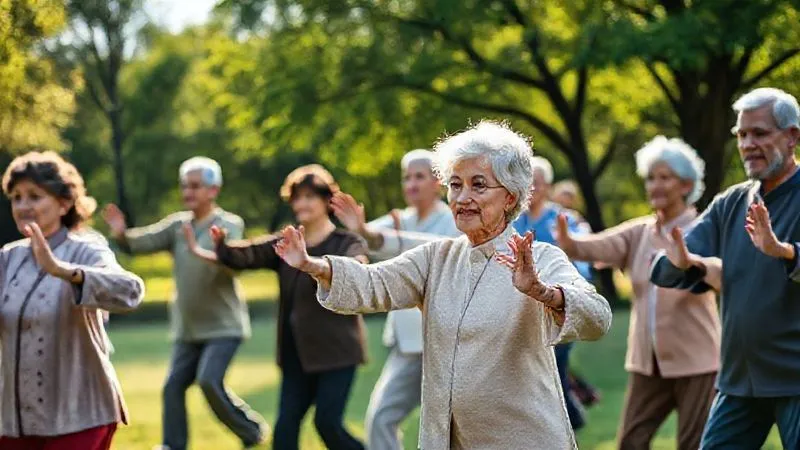
- Tai Chi Movements: Tai Chi is renowned for its slow, deliberate, flowing movements that significantly improve balance, flexibility, and muscle strength. Consider joining a beginner's class or following online tutorials. Its emphasis on shifting weight and mindful movement is incredibly beneficial.
Integrating these dynamic exercises into your routine is crucial for translating your improved static balance into functional, real-world stability. It’s about teaching your body to move confidently and react instinctively.
Environmental Modifications: Creating a Safer Home
Even with improved balance, your environment can be your biggest ally or your worst enemy. I've often said that a fall is rarely just about the person; it's about the interaction between the person and their surroundings. Making your home safer is a proactive, often simple, step that significantly reduces fall risk and complements your physical training.
Think of it as creating a 'fall-proof' sanctuary. Many common household items or arrangements, which we take for granted, can become significant hazards. Addressing these shows a holistic approach to preventing future incidents.
Common Home Hazards and Solutions
- Loose Rugs/Cords: Secure all throw rugs with non-slip backing or remove them. Tape down electrical cords or keep them out of pathways.
- Poor Lighting: Ensure all areas are well-lit, especially stairways and hallways. Use nightlights in bedrooms, bathrooms, and along paths to the bathroom.
- Clutter: Keep floors clear of newspapers, shoes, pet toys, and other items.
- Slippery Surfaces: Use non-slip mats in the shower/tub. Clean up spills immediately.
- Lack of Grab Bars: Install grab bars in the shower, next to the toilet, and on both sides of stairways.
- Unstable Furniture: Ensure chairs, tables, and other furniture are stable and don't wobble.
By systematically addressing these hazards, you create an environment that supports your improved balance and confidence. This table outlines a quick checklist for home safety:
| Area/Item | Unsafe Feature | Safe Solution |
|---|---|---|
| Flooring | Loose rugs, clutter, slippery surfaces | Remove rugs or secure, clear pathways, non-slip mats |
| Lighting | Dimly lit rooms, dark hallways | Brighten areas, add nightlights, use task lighting |
| Bathroom | No grab bars, slippery tub/shower | Install grab bars, non-slip bath mat, raised toilet seat |
| Stairs | No handrails, poor lighting, worn treads | Install handrails (both sides), ensure good lighting, repair treads |
| General | Cords in walkways, unstable furniture | Secure cords, arrange furniture for clear paths, ensure stability |
The Psychological Aspect: Overcoming Fear of Falling (FOF)
I cannot overstate the impact of the fear of falling (FOF) on recovery. Even after physical injuries heal and balance improves, the psychological scar can linger, manifesting as anxiety, avoidance, and a loss of confidence. This fear, while understandable, can become a self-fulfilling prophecy, leading to reduced activity and further physical decline. Addressing FOF is a core component of how to quickly improve balance after a fall to prevent future incidents.
It's vital to acknowledge this fear, not suppress it. Talk about it with trusted friends, family, or a professional. Understanding that FOF is a common and normal reaction is the first step towards overcoming it. The goal isn't to eliminate all fear, but to manage it so it doesn't dictate your life.
Case Study: Maria's Journey Back to Confidence
Maria, a vibrant 78-year-old, loved gardening and walking her dog. After a fall that resulted in a minor wrist fracture, she became terrified of stepping outside, even avoiding her garden. Her physical therapist had helped her regain strength, but her balance still felt precarious due to her anxiety. I advised her to gradually reintroduce feared activities. We started with walking laps inside her home, then moved to her backyard with a cane, focusing on her breathing and positive self-talk. We then progressed to short walks with her dog on a leash, initially with a friend. By systematically desensitizing her to the activities she feared, and celebrating each small victory, Maria slowly rebuilt her confidence. Within six months, she was back to her daily walks and tending her beloved garden, albeit with more awareness and improved balance techniques. This resulted in a significant improvement in her quality of life and complete eradication of her previous FOF.
Expert Insight: "Confidence is not the absence of fear, but the triumph over it. Each small step you take to challenge your fear of falling is a monumental victory for your independence."
Techniques like mindfulness, cognitive behavioral therapy (CBT) principles, and graded exposure (gradually reintroducing feared activities) can be incredibly effective. Consider seeking support from a therapist specializing in older adult mental health. The National Institute on Aging offers valuable resources on managing FOF.
Nutrition and Hydration: Fueling Your Recovery
Often overlooked, proper nutrition and hydration play a crucial role in recovery from a fall and in maintaining overall balance and strength. Your body needs the right building blocks to repair tissues, maintain muscle mass, and ensure optimal nerve function. Dehydration, for instance, can lead to dizziness and confusion, directly increasing fall risk.
Think of your body as a high-performance vehicle; it needs premium fuel and regular maintenance to operate smoothly. After a fall, the demands on your body's repair mechanisms increase significantly.
Key Nutrients for Bone and Muscle Health
- Protein: Essential for muscle repair and growth. Aim for lean sources like chicken, fish, beans, lentils, and dairy.
- Calcium: Crucial for bone density. Found in dairy products, leafy greens, fortified cereals.
- Vitamin D: Aids calcium absorption and plays a role in muscle function. Sunlight exposure, fatty fish, and fortified foods are good sources.
- Potassium: Important for muscle and nerve function. Bananas, potatoes, spinach.
- Magnesium: Involved in over 300 bodily functions, including muscle and nerve control. Nuts, seeds, whole grains.
Ensure adequate fluid intake throughout the day, especially water. Limit sugary drinks and excessive caffeine. A balanced diet rich in fruits, vegetables, whole grains, and lean proteins will support your recovery and long-term well-being.

Consistency and Progression: The Long-Term View
Improving balance after a fall is not a one-time event; it's a journey that requires consistency, patience, and a commitment to gradual progression. I've often seen individuals become discouraged if they don't see immediate results, but like any skill, balance takes time to rebuild and refine. The key is to make these exercises and practices a regular, enjoyable part of your life.
Your body adapts to challenges. If you consistently perform exercises at the same level, your progress will plateau. To continue improving, you must gradually increase the difficulty, duration, or frequency of your balance training. This could mean holding a single-leg stand longer, walking further, or trying new, slightly more challenging movements.
Tracking Your Progress
Keeping a simple log of your exercises and how you feel can be incredibly motivating. It allows you to see how far you've come and identifies areas where you might need more focus. Celebrate small victories – holding a pose for an extra 5 seconds, walking confidently across a room, or navigating a curb without hesitation.
| Date | Exercise | Duration (sec) | Notes |
|---|---|---|---|
| 2023-10-26 | Single-Leg Stand (R) | 10 | Wobbly, held onto chair. |
| 2023-10-26 | Single-Leg Stand (L) | 8 | More challenging on left. |
| 2023-10-28 | Single-Leg Stand (R) | 15 | Slightly better, less reliance on chair. |
| 2023-10-28 | Heel-to-Toe Walk | 5 | Took 3 attempts to stay straight. |
| 2023-10-30 | Single-Leg Stand (R) | 20 | Feeling more stable, tried without hand for 5s! |
Remember, the goal is not perfection, but continuous improvement and sustainable independence. Consult with your physical therapist or doctor if you have questions about advancing your exercises.

Frequently Asked Questions (FAQ)
Question: How quickly can I expect to see improvements in my balance after starting these exercises? The timeline for improvement varies greatly depending on your starting point, consistency, and the severity of your initial fall. However, many individuals report feeling a noticeable difference in their stability and confidence within 2-4 weeks of consistent, daily practice. Significant and lasting improvements often take 2-3 months or more. Patience and persistence are your greatest allies.
Question: Are these exercises safe if I have a chronic condition like arthritis or osteoporosis? It is absolutely crucial to consult with your doctor or physical therapist before starting any new exercise program, especially if you have chronic conditions like arthritis, osteoporosis, heart conditions, or diabetes. They can help tailor the exercises to your specific needs, suggest modifications, and ensure the movements are safe and beneficial for your health profile. Starting gently and listening to your body is key.
Question: Can I do these exercises at home, or do I need special equipment or a gym? Most of the foundational and progressive balance exercises I've outlined can be performed safely and effectively in the comfort of your home, often requiring no special equipment beyond a sturdy chair or a wall for support. As you progress, you might consider small additions like a firm pillow for surface changes or light ankle weights (with professional guidance) to increase challenge. The most important 'equipment' is your dedication.
Question: What if my fear of falling is so strong that I'm hesitant to even try these exercises? This is a very common and understandable concern. If your fear of falling (FOF) is debilitating, it's vital to address it directly. Start with the safest exercises, holding onto substantial support, and even performing them with a trusted friend or family member present. Consider seeking a consultation with a physical therapist who specializes in fall prevention, or a mental health professional who can help you develop coping strategies for anxiety. Gradual exposure and building confidence through small, successful steps are key.
Question: Should I continue these exercises even after I feel my balance has significantly improved? Absolutely. Balance is a 'use it or lose it' skill. Just like maintaining muscle strength, maintaining good balance requires ongoing effort. Incorporating these exercises into your regular routine, perhaps 2-3 times a week, will help sustain your improvements and continue to protect you against future falls. Think of it as an integral part of your long-term 'aging well' strategy.
Key Takeaways and Final Thoughts
Rebuilding your balance and confidence after a fall is a journey that demands a holistic approach – encompassing physical training, psychological resilience, and environmental awareness. As an expert who has guided countless individuals through this process, I can assure you that regaining your stability and preventing future incidents is entirely within your reach.
- Prioritize Professional Assessment: Always consult healthcare providers after a fall.
- Build a Strong Core: It's the foundation of all stability.
- Retrain Proprioception: Re-educate your body's internal sensors.
- Embrace Dynamic Movement: Prepare for real-world challenges.
- Optimize Your Environment: Make your home a safe haven.
- Conquer Fear: Address the psychological impact of falling.
- Fuel Your Body: Support recovery with proper nutrition and hydration.
- Be Consistent & Progressive: Long-term results come from sustained effort.
Remember, a fall doesn't define your future. It's an opportunity to learn, adapt, and become even stronger. By diligently applying these strategies on how to quickly improve balance after a fall to prevent future incidents, you're not just regaining balance; you're reclaiming your independence, enhancing your quality of life, and stepping forward with renewed confidence and vitality. Your journey towards lasting stability starts now.
Recommended Reading
- Unlocking Well-being: How Public Health Initiatives Promote Mental Health
- Returning from Injury? 5 Steps to Optimal Hip Mobility for Athletes
- Why Won't My Adult Hormonal Acne Clear? 7 Overlooked Factors Revealed
- 5 Steps to Stronger, Safer Lifts: Pelvic Floor-Safe Strength Progression
- 7 Ways to Support Patients: Body Image & Sensitive Sexual Exams







0 Comentários: