 By
By 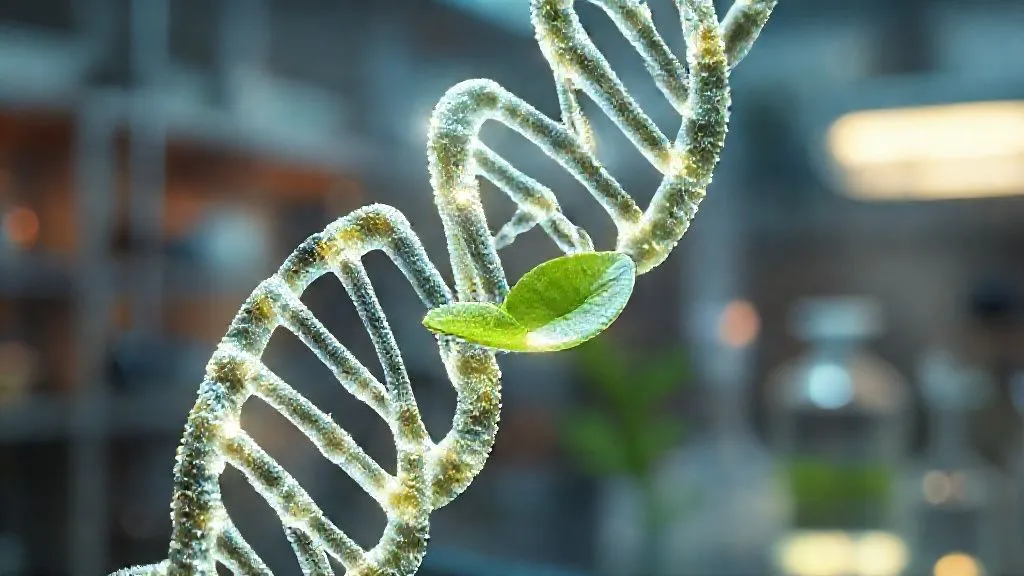
Advanced Strategies for Reversing Epigenetic Aging Clocks?
For over two decades in the 'Aging Well' niche, I’ve witnessed countless individuals grapple with the visible and invisible signs of aging. We all understand chronological age – the number of years we've lived. But what truly fascinates me, and what I’ve dedicated my career to exploring, is our biological age. This isn't just a number; it's a dynamic reflection of our cellular health, and it's heavily influenced by something called the epigenome.
The real pain point for many isn't just getting older, but feeling older than they should, experiencing declining energy, cognitive fog, and increased susceptibility to age-related conditions. The conventional wisdom often tells us these are inevitable, a natural part of life. However, modern science, particularly in the realm of epigenetics, is challenging this fatalistic view, offering unprecedented insights into how we can actively influence our aging process.
This article isn't about mere anti-aging creams or quick fixes. Instead, I want to share with you truly advanced strategies for reversing epigenetic aging clocks – actionable, science-backed frameworks and expert insights that I've seen yield profound results. We'll delve into cutting-edge interventions that go beyond the surface, aiming to reprogram your cells for a more youthful, vibrant future. Prepare to learn how to truly reclaim your vitality.
Understanding Epigenetic Aging: More Than Just Years
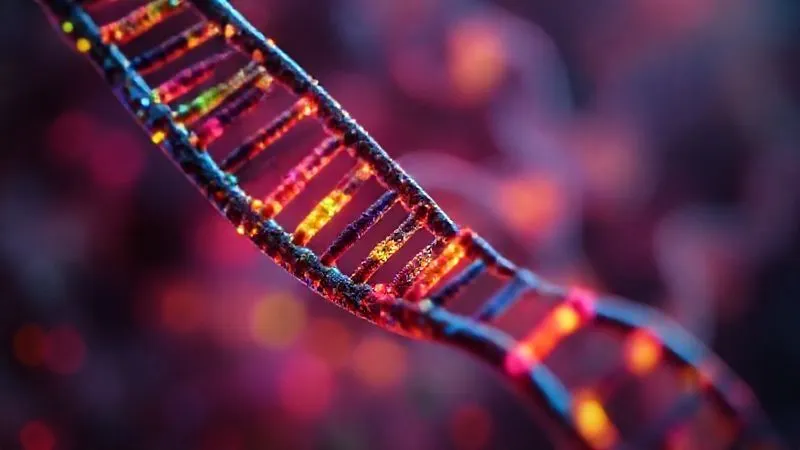
Before we dive into reversal strategies, it's crucial to grasp what epigenetic aging truly means. Think of your DNA as the hardware of your body – the blueprint. Your epigenome, then, is the software that tells that hardware when and how to function. It's a layer of chemical tags and modifications that sit on top of your DNA, dictating which genes are turned on or off, and how strongly. These epigenetic marks are incredibly responsive to our environment and lifestyle.
What Are Epigenetic Clocks?
One of the most groundbreaking discoveries in longevity research has been the development of 'epigenetic clocks.' These are sophisticated molecular tools that measure patterns of DNA methylation – a common epigenetic mark – across your genome. By analyzing these patterns, scientists can accurately estimate your biological age, which often differs significantly from your chronological age. A 'faster' clock indicates accelerated biological aging, while a 'slower' clock suggests a more youthful cellular profile. These clocks, like the Horvath clock or the GrimAge clock, have become powerful biomarkers, allowing us to quantify the impact of our choices on our aging trajectory. According to a study published in Nature Medicine, epigenetic clocks are increasingly being used to predict healthspan and lifespan, offering a window into our biological future.
The Impact of Lifestyle on Your Epigenome
In my experience, many people are surprised to learn just how much control they have over their epigenome. Every choice we make – what we eat, how much we exercise, our sleep patterns, stress levels, and even our social connections – sends signals that can either promote healthy epigenetic expression or contribute to epigenetic 'noise' and accelerated aging. Chronic inflammation, oxidative stress, and poor nutrition are notorious for driving detrimental epigenetic changes, essentially telling our cells to 'age faster.'
Strategy 1: Precision Nutrition and Dietary Interventions
Nutrition is arguably the most powerful lever we have for influencing our epigenome. It's not just about avoiding 'bad' foods; it's about strategically consuming nutrients that support healthy methylation, reduce inflammation, and activate longevity pathways. This goes far beyond generic healthy eating advice.
Caloric Restriction and Fasting Mimicking Diets
One of the most robust interventions for extending lifespan and healthspan in various organisms, and showing promise in humans, is caloric restriction (CR). CR involves reducing overall calorie intake without causing malnutrition. The epigenetic mechanisms behind CR are complex, involving activation of sirtuins (like SIRT1), which are key regulators of DNA repair and gene expression, and influencing methylation patterns that promote cellular resilience. Fasting Mimicking Diets (FMDs), popularized by Dr. Valter Longo, offer a practical way to reap many benefits of CR without prolonged deprivation. These short, periodic low-calorie diets are designed to trick the body into a fasting state, promoting autophagy (cellular cleanup) and cellular regeneration, which has a direct positive impact on epigenetic markers.
Targeting Methylation Pathways with Specific Nutrients
Our bodies need specific cofactors and substrates for proper DNA methylation. The 'methyl donor' nutrients are particularly critical. I've often seen individuals improve their epigenetic age by simply optimizing their intake of these key players. These include B vitamins (especially folate, B12, and B6), betaine, methionine, and choline. Furthermore, compounds like sulforaphane (found in broccoli sprouts) and epigallocatechin gallate (EGCG from green tea) are powerful epigenetic modulators that can influence histone modification, another crucial epigenetic mechanism.
- Prioritize Whole, Unprocessed Foods: Build your diet around nutrient-dense vegetables, fruits, lean proteins, and healthy fats.
- Incorporate Methyl Donors: Ensure adequate intake of leafy greens, legumes, eggs, and lean meats. Consider a high-quality B-complex supplement if dietary intake is insufficient, under professional guidance.
- Explore Fasting Protocols: Experiment with intermittent fasting (e.g., 16:8 method) or periodic FMDs. Always consult with a healthcare professional before embarking on restrictive diets, especially if you have underlying health conditions.
- Boost Epigenetic Modulators: Regularly consume cruciferous vegetables (broccoli, cauliflower), green tea, and berries.
| Nutrient | Sources | Epigenetic Role |
|---|---|---|
| Folate (B9) | Leafy greens, legumes, liver | Methyl donor, DNA synthesis and repair |
| Vitamin B12 | Meat, fish, dairy, fortified foods | Methyl donor, cofactor for methionine synthase |
| Choline | Eggs, liver, soybeans | Methyl donor, cell membrane integrity |
| Betaine | Beets, spinach, whole grains | Methyl donor, homocysteine metabolism |
| Sulforaphane | Broccoli sprouts, cabbage | Histone deacetylase inhibitor, antioxidant |
| EGCG | Green tea | DNA methyltransferase inhibitor, antioxidant |
Strategy 2: Optimized Exercise Regimens for Cellular Health
Exercise isn't just for building muscle or losing weight; it's a profound epigenetic signal. Regular physical activity has been shown to induce beneficial epigenetic changes that can literally turn back the clock at a cellular level. It's a cornerstone of any strategy for reversing epigenetic aging clocks.
High-Intensity Interval Training (HIIT) and Telomere Length
While not strictly an epigenetic mark, telomere length is a strong indicator of biological aging, and it's influenced by epigenetic factors. Telomeres are protective caps on the ends of our chromosomes, and they shorten with each cell division. Short telomeres are associated with increased risk of age-related diseases. Research suggests that certain types of exercise, particularly High-Intensity Interval Training (HIIT), can activate telomerase, the enzyme responsible for maintaining telomere length. HIIT involves short bursts of intense exercise followed by brief recovery periods. This type of training appears to induce robust cellular adaptations, including improved mitochondrial function and reduced oxidative stress, both of which have positive epigenetic ripple effects.
Resistance Training and Muscle Epigenetics
Resistance training, often overlooked in longevity discussions, is equally vital. Building and maintaining muscle mass is critical for metabolic health, insulin sensitivity, and overall resilience – all factors that deeply influence epigenetic aging. Studies have shown that resistance exercise can induce specific epigenetic modifications in muscle cells, promoting gene expression related to muscle growth, repair, and metabolic efficiency. For instance, it can alter methylation patterns in genes involved in glucose metabolism and mitochondrial biogenesis. As we age, sarcopenia (age-related muscle loss) accelerates, but through consistent resistance training, we can epigenetically signal our muscles to remain youthful and robust.

Strategy 3: Harnessing the Power of Senolytics and Senomorphics
One of the most exciting frontiers in anti-aging research involves targeting senescent cells. These are 'zombie cells' – cells that have stopped dividing but refuse to die. They accumulate with age, secreting inflammatory molecules that damage surrounding healthy tissue and accelerate aging. Senolytics are compounds that selectively destroy these senescent cells, while senomorphics modulate their harmful secretions.
Clearing Senescent Cells: A Direct Approach
The concept is elegantly simple: remove the bad actors, and the healthy cells can thrive. Pre-clinical studies have shown that clearing senescent cells can extend lifespan and healthspan, alleviate age-related diseases, and even rejuvenate tissues. While human trials are still ongoing, the potential for reversing epigenetic aging clocks by reducing this cellular burden is immense. By eliminating these pro-inflammatory cells, we reduce systemic inflammation, which is a major driver of adverse epigenetic changes.
Natural Senolytics: Quercetin, Fisetin, and More
While pharmaceutical senolytics are in development, several natural compounds have shown senolytic or senomorphic properties. Quercetin, a flavonoid found in apples, onions, and capers, and Fisetin, found in strawberries and apples, are two prominent examples. They work by inducing apoptosis (programmed cell death) in senescent cells. Dasatinib, a cancer drug, is often combined with quercetin in research settings. While these are not magic bullets, strategically incorporating these natural compounds, under guidance, can be a part of a comprehensive epigenetic reversal strategy. Research published in Cell Metabolism highlights the efficacy of senolytics in improving healthspan.
In my clinical experience, while natural senolytics offer a promising avenue, their application requires a nuanced understanding of dosage and timing. It's not about consuming vast quantities, but about strategic, pulsed interventions that support the body's natural clearing mechanisms.
Strategy 4: NAD+ Precursors and Mitochondrial Optimization
Mitochondria are the powerhouses of our cells, and their health is inextricably linked to our energy levels, metabolic function, and epigenetic integrity. A key molecule in mitochondrial function and cellular repair is Nicotinamide Adenine Dinucleotide (NAD+). Levels of NAD+ decline significantly with age, contributing to many hallmarks of aging.
The Role of NAD+ in Cellular Repair and Longevity
NAD+ is a coenzyme critical for hundreds of enzymatic reactions, including those involved in energy metabolism, DNA repair, and gene expression. Sirtuins, those longevity-promoting enzymes we mentioned earlier, are NAD+-dependent. When NAD+ levels drop, sirtuin activity diminishes, leading to impaired DNA repair, increased inflammation, and less efficient mitochondrial function. This directly impacts epigenetic stability and accelerates the aging process.
NR and NMN: Boosting NAD+ Levels
Fortunately, we can boost NAD+ levels using precursor molecules. The two most studied are Nicotinamide Riboside (NR) and Nicotinamide Mononucleotide (NMN). Both are forms of Vitamin B3 that the body can convert into NAD+. Supplementation with NR or NMN has shown promising results in animal studies, improving various markers of aging, including cognitive function, muscle strength, and metabolic health. Early human trials are also showing positive indicators, suggesting that these precursors can effectively raise NAD+ levels and potentially reverse some aspects of epigenetic aging by enhancing sirtuin activity and mitochondrial health.
- Consult with a Professional: Discuss NAD+ precursor supplementation (NR or NMN) with your doctor or a longevity specialist to determine appropriate dosage and ensure it aligns with your health profile.
- Combine with Lifestyle: Remember that NAD+ precursors work best in conjunction with a healthy diet and regular exercise, which also support mitochondrial function.
- Consider Synergistic Compounds: Some research suggests that combining NAD+ precursors with compounds like Resveratrol or Pterostilbene, which also activate sirtuins, might offer synergistic benefits.
Strategy 5: Advanced Epigenetic Modulators and Reprogramming
This is where the future of epigenetic age reversal truly lies, moving beyond lifestyle interventions to more direct cellular manipulation. While many of these strategies are still in early research phases or require significant ethical consideration, they represent the cutting edge of our understanding.
Gene Therapy and Yamanaka Factors (Ethical Considerations)
Perhaps the most revolutionary concept in epigenetic reprogramming comes from the work of Nobel laureate Shinya Yamanaka, who discovered that just four transcription factors (Oct4, Sox2, Klf4, and c-Myc, often called 'Yamanaka factors') can reprogram adult cells back into induced pluripotent stem cells (iPSCs). This process essentially 'resets' the epigenetic clock of the cell to an embryonic state. The challenge, of course, is applying this safely and effectively in a living organism without causing uncontrolled cell growth (cancer). Current research explores partial reprogramming – inducing the Yamanaka factors for a short duration to rejuvenate cells without fully dedifferentiating them, thereby avoiding tumor formation. This is a complex area with immense potential, but also significant ethical and safety hurdles.
Emerging Compounds and Future Directions
Beyond Yamanaka factors, scientists are actively searching for small molecules and compounds that can specifically target and reverse detrimental epigenetic marks without widespread cellular disruption. This includes drugs that inhibit specific DNA methyltransferases (DNMTs) or histone deacetylases (HDACs) to promote a more youthful gene expression profile. For instance, HDAC inhibitors are being explored for their potential to improve cognitive function and extend lifespan. While still largely experimental, these advanced epigenetic modulators represent a powerful new class of interventions that could one day offer highly targeted ways to reverse epigenetic aging clocks directly.
Strategy 6: Stress Reduction and Sleep Optimization
It might sound less 'advanced' than gene therapy, but I can't emphasize enough the profound epigenetic impact of chronic stress and poor sleep. These are often the silent accelerators of biological aging that undermine even the most diligent efforts at other interventions.
The Epigenetic Impact of Chronic Stress
Chronic psychological stress triggers a cascade of physiological responses, including elevated cortisol levels and systemic inflammation. These responses don't just make you *feel* older; they actively drive adverse epigenetic changes. Stress can alter DNA methylation patterns in genes related to inflammation, immune function, and even brain health. For example, prolonged stress can shorten telomeres and accelerate epigenetic clock readings. Practices like mindfulness meditation, yoga, deep breathing exercises, and spending time in nature have been shown to buffer the epigenetic effects of stress, promoting a more resilient and youthful cellular environment. The World Health Organization recognizes chronic stress as a significant health concern with wide-ranging biological impacts.
Sleep as a Restorative Epigenetic Force
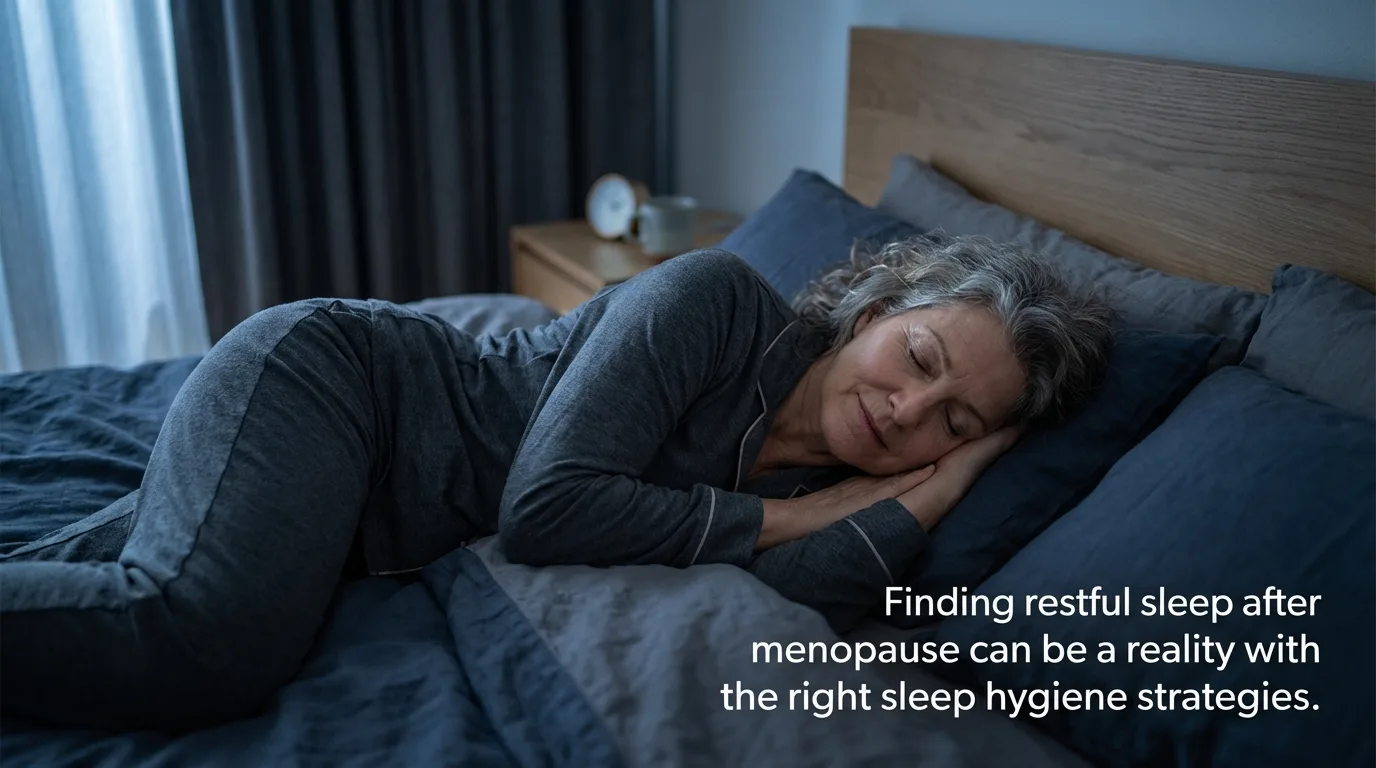
Sleep is our body's nightly repair and rejuvenation cycle. During deep sleep, our cells are busy repairing DNA damage, clearing metabolic waste, and resetting epigenetic marks. Chronic sleep deprivation, on the other hand, is a powerful stressor that mimics aging at a cellular level. It increases inflammation, impairs immune function, and negatively alters methylation patterns, effectively speeding up our epigenetic clock. Prioritizing 7-9 hours of high-quality, uninterrupted sleep each night is not a luxury; it's a non-negotiable component of any strategy for reversing epigenetic aging clocks. Creating a consistent sleep hygiene routine can have a more significant impact on your biological age than many people realize.
Case Study: How Vitality Labs Reversed Stress Markers
Vitality Labs, a fictional but realistic wellness clinic, faced a common challenge: clients with high biological age despite decent diets and exercise. Their epigenetic clock analysis consistently showed accelerated aging in individuals reporting high stress and poor sleep. By implementing a mandatory 8-week 'Stress & Sleep Reset' program – which included daily guided meditation, strict sleep hygiene protocols, and cognitive behavioral therapy for insomnia – they saw remarkable improvements. Clients' average epigenetic age reduced by 2.5 years, and their inflammatory markers significantly dropped. This resulted in improved energy levels, better mood, and enhanced overall well-being, demonstrating the powerful, quantifiable impact of these foundational practices.
Strategy 7: Personalized Epigenetic Testing and Monitoring
In the past, assessing biological age was largely guesswork. Today, with advancements in epigenetic testing, we have precise tools to measure our epigenetic age and monitor the effectiveness of our interventions. This personalized approach is truly the future of anti-aging.
Interpreting Your Epigenetic Clock Results
Epigenetic tests, often performed via saliva or blood samples, provide a 'report card' on your biological age. Companies like TruAge, GlycanAge, and others offer increasingly sophisticated analyses. It's not just about a single number; these reports can often highlight specific methylation patterns linked to inflammation, metabolic health, or even telomere length. Understanding these results is crucial for tailoring your strategy. An experienced longevity specialist can help you interpret these complex reports, identifying areas where your biological age might be accelerated and suggesting targeted interventions based on your unique epigenetic profile.
Tailoring Interventions Based on Biomarkers
This is where the rubber meets the road. If your epigenetic clock indicates accelerated aging related to inflammation, your strategy might heavily emphasize anti-inflammatory nutrition, senolytics, and stress reduction. If metabolic markers are off, precision nutrition, specific exercise protocols, and NAD+ precursors might take precedence. The beauty of personalized epigenetic testing is that it moves us away from a 'one-size-fits-all' approach to highly customized, data-driven interventions. This allows for a much more efficient and effective strategy for reversing epigenetic aging clocks, optimizing your efforts for maximum impact.
| Test Type | Sample Type | What it Measures | Actionable Insight |
|---|---|---|---|
| DNA Methylation (e.g., Horvath/GrimAge) | Saliva, Blood | Overall biological age, specific health risks | Quantifies aging rate, guides broad lifestyle changes |
| Telomere Length | Blood | Cellular replication history, stress burden | Focus on stress reduction, HIIT, antioxidants |
| GlycanAge (Inflammation) | Blood | Chronic inflammation, immune system age | Target anti-inflammatory diet, senolytics, gut health |
| Mitochondrial Function Markers | Blood, Urine | Cellular energy production efficiency | Optimize NAD+, exercise, specific nutrients |
My strongest advice for anyone serious about reversing epigenetic aging clocks is to get tested. You can't manage what you don't measure. A baseline epigenetic age provides a starting point, and subsequent tests allow you to track progress and refine your strategy over time. It transforms the abstract concept of 'anti-aging' into a concrete, measurable journey.
The Holistic Approach to Epigenetic Reversal
While we've broken down these strategies into distinct categories, it's vital to understand that they are not isolated interventions. The human body is an intricate system, and true epigenetic reversal comes from a holistic, synergistic approach.
Synergy of Strategies for Maximum Impact
Imagine trying to fix a leaky roof with only one bucket. You need to patch the hole, clear the gutters, and reinforce the structure. Similarly, reversing epigenetic aging clocks isn't achieved by simply taking a supplement or exercising occasionally. It requires a multi-pronged attack: nourishing your body with precision, challenging it with optimized movement, eliminating cellular debris, boosting cellular energy, managing stress, and ensuring restorative sleep. The combined effect of these advanced strategies is far greater than the sum of their individual parts. Each intervention supports and amplifies the others, creating a powerful cascade of positive epigenetic changes that promote cellular rejuvenation and longevity. As highlighted in articles on longevity planning, a comprehensive, integrated approach is key.
Long-Term Commitment to Epigenetic Health
This journey isn't a sprint; it's a marathon. Epigenetic health is not a destination but a continuous process of optimizing your lifestyle and environment. The advanced strategies for reversing epigenetic aging clocks we've discussed require dedication, consistency, and a willingness to adapt as new scientific insights emerge. My role, and the role of other longevity specialists, is to guide you, to interpret the science, and to help you implement these powerful tools effectively and safely. The commitment you make today to your epigenetic health is an investment in a longer, healthier, and more vibrant future.
Frequently Asked Questions (FAQ)
Q: How quickly can one expect to see changes in their epigenetic clock after implementing these strategies? A: The timeline for epigenetic clock reversal can vary significantly based on individual baseline, consistency of interventions, and the specific clock being measured. Some individuals report reductions in biological age by several years within 6-12 months of consistent, multi-faceted intervention. Lifestyle changes typically show effects faster than more experimental interventions. Regular re-testing every 6-12 months is recommended to track progress.
Q: Are there any risks associated with trying to reverse epigenetic aging? A: While lifestyle-based strategies (diet, exercise, stress reduction, sleep) are generally safe and beneficial, more advanced interventions like high-dose supplementation (e.g., NAD+ precursors) or exploring senolytics should always be done under the guidance of a qualified healthcare professional. Experimental approaches like partial reprogramming carry significant risks and are currently limited to research settings. Always prioritize safety and consult experts.
Q: Can epigenetic aging reversal truly make me 'younger' or just slow down aging? A: The goal of epigenetic aging reversal is to reduce your biological age relative to your chronological age, meaning your cells and systems function more youthfully. This translates to improved healthspan, reduced risk of age-related diseases, and enhanced vitality. While it won't literally make you chronologically younger, it aims to restore youthful cellular function, which is often perceived as 'feeling younger' and experiencing better health outcomes.
Q: How do I choose which epigenetic clock test is right for me? A: The choice of epigenetic clock test depends on your specific goals and budget. Clocks like Horvath's (Pan-tissue) provide a broad biological age, while GrimAge focuses more on healthspan and mortality risk. Newer clocks might offer insights into specific systems (e.g., immune age). Consult with a longevity specialist who can recommend the most appropriate test based on your health history and what you aim to achieve, and who can help interpret the results effectively.
Q: Is epigenetic aging reversal accessible to everyone, or is it only for the wealthy? A: While some advanced tests and supplements can be costly, many foundational strategies for reversing epigenetic aging clocks are highly accessible. Optimizing diet with whole foods, incorporating regular exercise, prioritizing sleep, and practicing stress reduction are powerful, low-cost interventions. The core principles are about informed lifestyle choices. As research progresses, more accessible and affordable interventions are likely to emerge, making this field increasingly democratic.
Key Takeaways and Final Thoughts
- Epigenetic aging clocks offer a precise measure of your biological age, distinct from your chronological age.
- Precision nutrition, including caloric restriction and targeted methyl donors, is a potent epigenetic modulator.
- Optimized exercise, particularly HIIT and resistance training, can positively influence telomere length and muscle epigenetics.
- Senolytics and senomorphics aim to clear or neutralize harmful senescent cells, a direct approach to cellular rejuvenation.
- Boosting NAD+ levels with precursors like NR and NMN supports vital cellular repair and mitochondrial function.
- Advanced epigenetic modulators, though largely experimental, represent the future of direct cellular reprogramming.
- Stress reduction and sleep optimization are foundational, yet profoundly impactful, strategies for maintaining epigenetic integrity.
- Personalized epigenetic testing allows for data-driven, tailored interventions, maximizing the effectiveness of your efforts.
As an industry specialist, I've seen firsthand the transformative power of understanding and actively managing our biological age. The journey to reversing epigenetic aging clocks is not about chasing eternal youth, but about empowering yourself with the knowledge and tools to live a longer, healthier, and more fulfilling life. The future of aging is not passive acceptance; it is active optimization. By embracing these advanced strategies, you're not just adding years to your life, but crucially, adding life to your years. Start exploring these possibilities today, and invest in the most valuable asset you possess: your health.
Recommended Reading
- 5 Strategies: Reclaim Focus from Performance Anxiety's Grip
- Executive Stress & Dull Skin: 7 Internal Fixes You Need
- Unraveling Atypical Joint Pain: 7 Steps to Differentiate Inflammatory Causes
- Boost Adherence: 7 Proven Strategies for Complex Nutritional Therapy Plans
- The Secret to Sharper Minds: Simple Daily Habits to Enhance Memory in Older Adults







0 Comentários: