 By
By 
Preventing Stress Fractures in Elite Athletes with Low Bone Density: An Expert's Framework
For over two decades working intimately with elite athletes, I've witnessed firsthand the devastating impact of stress fractures. It's not just a physical setback; it's a soul-crushing blow to an athlete's career, their identity, and their dreams. The most insidious cases often arise when an athlete, seemingly at the peak of physical prowess, harbors a silent vulnerability: low bone mineral density.
The problem is profound: athletes push their bodies to the absolute limit, but without a robust skeletal foundation, this intensity can lead to catastrophic failure. We often see these injuries sideline promising careers, leaving athletes frustrated and teams scrambling. It's a complex interplay of training load, nutrition, hormonal balance, and even psychological factors that contribute to this heightened risk.
In this comprehensive guide, I will share my expert framework for preventing stress fractures in elite athletes with low bone density. We'll delve into actionable strategies, evidence-based insights, and real-world considerations drawn from years in the trenches, providing you with a definitive roadmap to safeguard athlete bone health and sustain peak performance.
Understanding the Silent Threat: Low Bone Density in Elite Athletes
It’s a cruel irony that some of the fittest individuals on the planet can have bones as fragile as an aging individual. This isn't just about osteoporosis; it's about a spectrum of bone health, where low bone mineral density (BMD) in athletes, often termed osteopenia or even just 'low for age,' significantly elevates the risk of stress fractures. I've seen countless cases where coaches and even medical staff overlook this critical risk factor, assuming high-performance equates to high bone strength.
The Paradox of Performance: Why Athletes are at Risk
Elite athletes, particularly those in endurance sports, weight-category sports, or sports with high training volumes, face unique challenges. The relentless pursuit of leanness, coupled with high energy expenditure, can lead to chronic energy deficits. This state, known as Relative Energy Deficiency in Sport (RED-S), profoundly disrupts hormonal balance, impacting bone formation and density. Furthermore, certain training modalities, while beneficial for cardiovascular health or muscle strength, may not provide the optimal osteogenic stimulus for bone adaptation.
The body constantly remodels bone, a delicate balance between bone resorption (breakdown) and bone formation. In athletes experiencing RED-S or other stressors, this balance can tip towards resorption, weakening the bone over time. This makes the bone more susceptible to microtrauma that eventually coalesces into a stress fracture.
Identifying the Red Flags: Early Detection is Key
Early detection is paramount. I always emphasize proactive screening, not just reactive treatment. Beyond a basic physical, a comprehensive medical history exploring menstrual irregularities in female athletes, dietary habits, previous injury history (especially bone stress injuries), and family history of osteoporosis are crucial. According to a review published in the British Journal of Sports Medicine, detailed screening questionnaires can be highly effective in identifying athletes at risk for low BMD.
However, the gold standard for assessing bone mineral density remains Dual-energy X-ray Absorptiometry (DEXA) scans. These should be considered for athletes with persistent unexplained injuries, menstrual dysfunction, or other risk factors. Interpreting DEXA results in athletes requires expertise, as normal population T-scores may not apply; Z-scores, comparing to age-matched peers, are more appropriate.
The Foundational Pillars: Nutrition for Robust Bone Health
Nutrition isn't just fuel for performance; it's the very building block of bone. In my experience, this is often the most overlooked and undervalued aspect of an athlete's bone health strategy. Athletes and their support teams often focus on macro-nutrients for energy and muscle repair, neglecting the intricate micronutrient symphony required for skeletal integrity.
Beyond Calcium and Vitamin D: A Micronutrient Deep Dive
While calcium and Vitamin D are undeniably critical, thinking they are the sole players is a dangerous oversimplification. I advocate for a holistic approach. Magnesium, for instance, plays a crucial role in bone crystal formation and regulating calcium and Vitamin D levels. Boron affects calcium and magnesium metabolism, and Vitamin K2 directs calcium to the bones, preventing arterial calcification. Zinc, copper, and manganese are also essential co-factors for enzymes involved in bone matrix formation.
Ensuring adequate intake of these micronutrients often requires a varied diet rich in fruits, vegetables, nuts, seeds, and whole grains, not just dairy. Supplementation might be necessary, but always under the guidance of a sports dietitian or physician, as excessive intake of some nutrients can be detrimental.
Tailoring Macronutrients for Bone Remodeling
Beyond micronutrients, macronutrients provide the necessary energy and structural components. Sufficient protein intake (1.6-2.2 g/kg body weight) is vital, as collagen is the primary organic component of bone, and protein provides the amino acids for its synthesis. Carbohydrates are essential to prevent the body from breaking down protein for energy, thus preserving amino acids for their structural roles.
Perhaps most critically, adequate energy availability is paramount. Chronic energy deficit, as mentioned with RED-S, is a direct assault on bone health. This isn't about gaining weight but about ensuring energy intake matches or slightly exceeds energy expenditure. This often requires careful tracking and adjustments based on training load and individual metabolic rates. A sports dietitian is an invaluable asset here.

Strategic Training Adaptation: Building Bone, Not Breaking It
Training is a double-edged sword for bone health. The right kind of mechanical stress is osteogenic – it stimulates bone growth and strengthening. The wrong kind, or too much too soon, leads to breakdown and injury. My approach is always about finding that optimal balance, ensuring progressive and intelligent loading.
Progressive Overload: The Right Stress for Bone Growth
Bones adapt to the loads placed upon them. The SAID principle (Specific Adaptation to Imposed Demands) applies perfectly here. For bone, this means impact and high-magnitude forces. Running, jumping, and resistance training are excellent. However, the key is progression. An athlete with low bone density cannot jump straight into high-volume plyometrics. The load must be introduced gradually, allowing the bone to adapt and remodel stronger.
I've seen athletes rushed back into high-impact activities too quickly after a bone stress injury, only to suffer a recurrence. It's a testament to the need for patience and scientific programming. The bone needs time – often much longer than muscle or cardiovascular systems – to fully adapt and strengthen.
Integrating Plyometrics and Resistance Training Safely
Here’s how I advise integrating bone-building exercises safely:
- Phase 1: Foundation (Weeks 1-4): Focus on low-impact, high-repetition resistance training (e.g., bodyweight squats, lunges, light weights) to build muscular strength and stability around vulnerable joints. Introduce very low-level plyometrics, like pogo jumps, with minimal height.
- Phase 2: Progressive Impact (Weeks 5-8): Gradually increase resistance training loads and introduce moderate-impact plyometrics, such as box jumps (low height), skipping, and controlled hopping drills. Emphasize proper landing mechanics to absorb impact effectively.
- Phase 3: High-Magnitude Loading (Weeks 9+): Once foundational strength and adaptation are established, incorporate higher-impact plyometrics (e.g., depth jumps from low boxes, bounds) and heavier resistance training. Always ensure adequate recovery between sessions.
- Monitor Response: Continuously assess the athlete's response. Any new aches or pains should trigger a review of training load and intensity. Utilize objective measures like jump height, ground contact time, and force plates if available, to track progress and readiness.
- Vary Stimuli: Introduce varied impact directions and magnitudes. Bones respond best to novel stimuli. Don't just do the same jump drill repeatedly; mix it up with multi-directional hops and bounds.
"Bone is living tissue; it doesn't just passively support us. It responds, adapts, and grows stronger with the right kind of challenge, but it can also weaken and break under relentless, unmanaged stress." - An expert's mantra I've lived by.
Hormonal Harmony and Recovery: Unseen Architects of Bone Strength
The endocrine system plays an undeniable, often underestimated, role in bone health. Hormones are the chemical messengers dictating bone remodeling, and when they are out of balance, even perfect nutrition and training can fall short. This is particularly critical for female athletes but applies to males as well.
Addressing the Female Athlete Triad and RED-S
The Female Athlete Triad (disordered eating, amenorrhea, and osteoporosis) is a classic example of hormonal disruption impacting bone. More recently, the broader concept of Relative Energy Deficiency in Sport (RED-S) encompasses both male and female athletes and highlights the systemic effects of insufficient energy intake. Low energy availability suppresses key hormones like estrogen, testosterone, insulin-like growth factor-1 (IGF-1), and thyroid hormones, all of which are vital for bone formation and maintenance.
My clinical experience shows that restoring energy balance is the single most effective intervention for improving hormonal profiles and, subsequently, bone density in these athletes. This often requires a delicate balance of increasing caloric intake and, sometimes, temporarily reducing training load. It's a tough conversation, but a necessary one for long-term health and career longevity.
Optimizing Sleep and Stress Management for Bone Repair
Beyond primary sex hormones, cortisol, the 'stress hormone,' can also negatively impact bone health if chronically elevated. Elite athletes often live under immense pressure, leading to elevated cortisol levels. Furthermore, growth hormone and melatonin, crucial for bone repair and regeneration, are primarily released during sleep. Chronic sleep deprivation, a common issue for athletes with demanding schedules, can therefore compromise bone recovery.
Implementing structured sleep hygiene protocols, mindfulness techniques, and ensuring adequate rest periods are not luxuries; they are fundamental components of a bone health strategy. I encourage athletes to view sleep and stress management with the same discipline they apply to their training.
| Hormone/Marker | Optimal Range (Athletes) | Impact on Bone |
|---|---|---|
| Estrogen (Female) | Varies, but consistent menstrual cycle is key | Critical for bone formation and preventing resorption |
| Testosterone (Male) | Varies, typically 300-1000 ng/dL | Promotes bone formation and density |
| Vitamin D | >30 ng/mL (>75 nmol/L) | Aids calcium absorption, bone mineralization |
| Cortisol | Lower morning levels, appropriate diurnal rhythm | Chronic elevation can inhibit bone formation |
| IGF-1 | Age-dependent, generally higher in youth | Stimulates bone growth and remodeling |
| PTH (Parathyroid Hormone) | 10-65 pg/mL | Regulates calcium; high levels can indicate deficiency |
Advanced Diagnostics and Monitoring: Staying Ahead of the Curve
While DEXA provides a snapshot of bone density, a truly comprehensive approach to preventing stress fractures in elite athletes with low bone density involves a multi-faceted diagnostic strategy. We need to look beyond static numbers to understand bone quality, turnover rates, and the athlete's physiological response to training.
Beyond DEXA: Advanced Imaging and Biomarkers
Advanced imaging techniques can offer deeper insights. Quantitative Computed Tomography (QCT) can provide volumetric BMD and analyze trabecular bone density, which is particularly sensitive to metabolic changes. High-resolution peripheral Quantitative Computed Tomography (HR-pQCT) allows for assessment of bone microarchitecture, providing a more detailed picture of bone quality and strength. These are not routine but can be invaluable for high-risk individuals or in research settings.
Biochemical markers of bone turnover, measured through blood or urine, can also provide dynamic information. Markers like P1NP (procollagen type 1 N-terminal propeptide) for bone formation and CTX (C-terminal telopeptide of type 1 collagen) for bone resorption can indicate if an athlete's bone remodeling is balanced or if resorption is outstripping formation. Monitoring these markers can help tailor nutritional and training interventions more precisely. The American College of Sports Medicine (ACSM) often highlights the utility of such markers in bone health assessment.
Case Study: How Elite Runner Sarah Overcame Stress Fractures
Sarah, a 22-year-old elite marathon runner, came to me after her third consecutive season-ending tibial stress fracture. Her DEXA showed osteopenia in her lumbar spine. Initial assessment revealed she was chronically under-fueling, often skipping meals to maintain a low race weight, and her menstrual cycle was irregular. She also had high training mileage with inadequate rest days.
We implemented a multi-pronged strategy: A sports dietitian adjusted her caloric intake to ensure energy balance, focusing on nutrient-dense foods and appropriate protein timing. Her coach, working with me, gradually reduced her weekly mileage and incorporated two dedicated resistance training sessions focusing on lower body strength and plyometric progressions. We also monitored her Vitamin D and calcium levels, supplementing as needed, and tracked bone turnover markers. Over 18 months, Sarah's BMD improved significantly. She completed her next two seasons without a single bone stress injury, achieving personal bests and qualifying for national championships. This case vividly illustrates how an integrated approach to preventing stress fractures in elite athletes with low bone density yields profound, lasting results.
Multidisciplinary Team Approach: The Athlete's Support System
No single individual can effectively manage the complex needs of an elite athlete with low bone density. It requires a cohesive, communicative multidisciplinary team. In my experience, the strongest outcomes emerge when everyone is on the same page, sharing insights and coordinating interventions.
The Role of Sports Physicians, Dietitians, and Physiotherapists
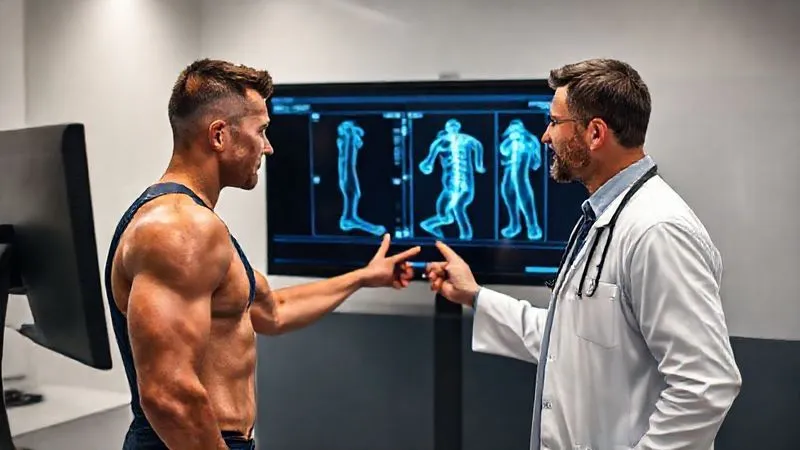
The Sports Physician serves as the central orchestrator, diagnosing, ordering tests, managing medical aspects (like hormonal imbalances or specific supplement needs), and overseeing the overall treatment plan. They are crucial for interpreting advanced diagnostic data and making referrals.
The Sports Dietitian is indispensable for ensuring optimal energy availability and nutrient intake. They work directly with the athlete to create personalized meal plans, educate on food choices, and monitor dietary adherence. Their role in identifying and addressing RED-S is critical.
The Physiotherapist (or Athletic Trainer) designs and implements the progressive training and rehabilitation programs. They focus on proper biomechanics, strength building, safe plyometric progression, and injury prevention exercises. They also play a key role in monitoring the athlete's response to training loads and identifying early signs of bone stress.
Other vital team members can include endocrinologists, mental performance coaches, and strength & conditioning specialists, depending on the athlete's specific needs. The key is regular communication and shared goal-setting.
Fostering Communication for Integrated Care
I cannot stress enough the importance of communication. Regular meetings, shared electronic health records, and an open dialogue between all team members are crucial. The athlete must also be an active participant in this conversation, understanding their condition and the rationale behind each intervention. Empowering the athlete with knowledge fosters adherence and long-term success. Research consistently shows that integrated care models lead to better patient outcomes in complex conditions.
| Team Member | Primary Role | Key Action |
|---|---|---|
| Sports Physician | Diagnosis, medical management, referrals, overall plan oversight | Interprets DEXA, manages hormonal therapy if needed |
| Sports Dietitian | Nutritional assessment, meal planning, energy balance | Addresses RED-S, ensures adequate calcium/Vit D/micronutrients |
| Physiotherapist/Athletic Trainer | Training prescription, biomechanics, rehabilitation | Designs progressive bone-loading exercises, monitors training load |
| Strength & Conditioning Coach | Strength development, performance enhancement | Integrates bone-building exercises into overall training program |
| Mental Performance Coach | Psychological support, stress management | Helps athlete cope with injury, return-to-play anxiety |
Psychological Resilience: The Mental Game of Bone Health
The journey of preventing stress fractures in elite athletes with low bone density isn't just physical; it's profoundly psychological. Athletes are driven individuals, and managing their expectations, fears, and the pressure to perform while addressing a vulnerability like low bone density requires immense mental fortitude and support. I've learned that without addressing the mental game, even the best physical interventions can falter.
Coping with Injury and Return-to-Play Pressures
A stress fracture is a significant psychological blow. Athletes often feel frustrated, helpless, and anxious about their future performance. They might struggle with body image issues, especially if dietary changes are required to address RED-S. The pressure to return to play quickly, from themselves, coaches, or sponsors, can be immense and counterproductive to proper bone healing.
It's crucial to provide robust psychological support. This includes clear communication about recovery timelines, setting realistic expectations, and celebrating small victories in the rehabilitation process. Mental performance coaches can teach coping strategies, visualization techniques, and mindfulness to help athletes navigate this challenging period. Building self-efficacy and a sense of control over their recovery is vital.
Educating Athletes for Long-Term Bone Stewardship
Ultimately, athletes must become stewards of their own bone health. This means educating them thoroughly about the 'why' behind every intervention. Why is sufficient caloric intake non-negotiable? Why is gradual progression in training essential? Why is sleep a performance enhancer, not just rest?
When athletes understand the science and the long-term benefits, they are more likely to adhere to complex protocols. This empowers them to make informed decisions about their training, nutrition, and lifestyle, not just during recovery but throughout their entire career. It shifts the mindset from 'fixing a problem' to 'optimizing a system' for sustained excellence. Many leading sports medicine journals emphasize the importance of athlete education in injury prevention.

Frequently Asked Questions (FAQ)
Q: Can a male elite athlete also suffer from low bone density and stress fractures due to RED-S?
A: Absolutely. While RED-S (Relative Energy Deficiency in Sport) and its impact on bone health are often discussed in the context of female athletes, male athletes are equally susceptible. Chronic low energy availability can suppress testosterone and other anabolic hormones in males, leading to impaired bone formation and increased risk of stress fractures. Symptoms might include unexplained fatigue, decreased performance, and recurrent injuries. Comprehensive assessment including hormone panels and DEXA scans is crucial for diagnosis.
Q: How long does it typically take to improve bone mineral density once interventions are in place?
A: Bone remodeling is a slow process. Significant improvements in bone mineral density (BMD) typically take 6-12 months, and sometimes longer, to observe via DEXA scans. This is why patience and consistent adherence to nutritional, training, and recovery protocols are paramount. Early improvements might be seen in bone turnover markers, indicating positive changes in remodeling, but structural density takes time to build. Regular follow-up DEXA scans are usually recommended annually or biennially.
Q: Is it safe for an athlete with a history of stress fractures and low BMD to continue high-impact sports?
A: Yes, with careful management and a phased return-to-sport strategy. The goal is not to stop high-impact activity, but to ensure the bone is strong enough to withstand it. This involves addressing the underlying causes of low BMD (nutrition, hormones), gradually increasing bone-loading exercise, optimizing biomechanics, and closely monitoring the athlete's response. A multidisciplinary team must guide this process to minimize recurrence risk. Many athletes successfully return to elite-level high-impact sports after comprehensive rehabilitation.
Q: What role do genetics play in an athlete's bone density, and can it be overcome?
A: Genetics certainly play a role in determining peak bone mass and an individual's predisposition to certain bone conditions. However, while you can't change your genes, lifestyle factors like nutrition, training, and hormonal balance exert a profound influence that can either mitigate or exacerbate genetic predispositions. An athlete with a genetic tendency towards lower BMD can significantly improve their bone health and reduce fracture risk by rigorously adhering to the strategies outlined in this article. It's about optimizing what you can control.
Q: Can medication be used to improve bone density in elite athletes?
A: In specific, severe cases where lifestyle interventions alone are insufficient, medication might be considered, but this is rare and always a last resort for athletes. Medications like bisphosphonates are typically used for osteoporosis and can have side effects. Hormone replacement therapy (e.g., estrogen for amenorrheic female athletes) might be considered under strict medical supervision. The primary focus for athletes is always on addressing the root causes through nutrition, training, and hormonal balance before considering pharmacological interventions, which also carry anti-doping considerations.
Key Takeaways and Final Thoughts
The challenge of preventing stress fractures in elite athletes with low bone density is multifaceted, demanding a holistic, integrated approach. It's a journey that requires patience, precision, and a deep understanding of human physiology and psychology. As an expert in this field, I've seen the transformation that occurs when these principles are consistently applied. The goal isn't just to prevent injury, but to unlock an athlete's full, healthy potential.
- Prioritize Energy Balance: Ensure consistent, adequate caloric intake to support metabolic demands and hormonal health.
- Holistic Nutrition: Go beyond basic calcium and Vitamin D; embrace a micronutrient-rich diet.
- Intelligent Training: Implement progressive, varied bone-loading exercises, allowing for adaptation and recovery.
- Hormonal Vigilance: Monitor and address hormonal imbalances, especially RED-S and the Female Athlete Triad.
- Proactive Monitoring: Utilize advanced diagnostics and biochemical markers for early detection and tailored interventions.
- Team Collaboration: Foster open communication within a multidisciplinary support team.
- Empower the Athlete: Educate and involve athletes in their bone health journey to build long-term resilience.
By meticulously addressing each of these pillars, we can move beyond merely reacting to injuries and instead proactively build a stronger, more resilient skeletal foundation for our elite athletes. Their careers are too valuable, and their passion too profound, to be derailed by preventable bone stress injuries. Let's commit to supporting them not just in performance, but in foundational health, ensuring they can achieve their dreams safely and sustainably.
Recommended Reading
- Unexplained Heavy Bleeding? 6 Management Strategies You Need
- Navigating Long-Term Care: 7 Steps to Financial & Emotional Security
- 7 Proven Strategies: Halting Flu Spread in High-Density Professional Settings
- Refractory ED in Young Men: 5 Breakthrough Treatments & Lasting Hope
- Diagnosing Occupational Asthma: 6 Steps for Complex Indoor Air Pollutants?






0 Comentários: