 By
By 
How to mitigate rapid bone density loss in steroid therapy?
For over two decades in the bone and joint health sector, I've witnessed firsthand the profound impact that certain medical treatments can have on a patient's skeletal integrity. One of the most insidious, yet often overlooked, challenges is the rapid bone density loss associated with long-term steroid therapy. It's a silent thief, gradually eroding the very foundation of our bodies, often without immediate symptoms.
Many patients, and sometimes even their primary care providers, are so focused on managing the primary condition for which steroids are prescribed that the critical aspect of bone health can recede into the background. I've seen individuals, who've successfully managed chronic inflammatory conditions with corticosteroids, suddenly face debilitating fractures, a direct consequence of unchecked bone degradation. This is a preventable tragedy.
This article isn't just a collection of facts; it’s a comprehensive framework built from years of clinical observation and scientific understanding. My goal is to equip you with actionable strategies, expert insights, and a deep understanding of how to proactively mitigate rapid bone density loss in steroid therapy, ensuring your skeletal health remains robust even while managing other serious conditions.
Understanding the Silent Threat: Glucocorticoid-Induced Osteoporosis (GIOP)
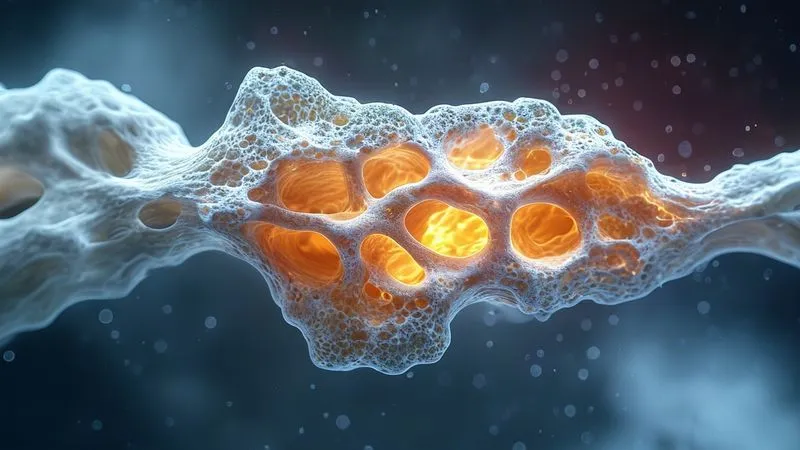
Glucocorticoids, powerful anti-inflammatory and immunosuppressive medications like prednisone, prednisolone, and dexamethasone, are lifesavers for countless conditions, from asthma and rheumatoid arthritis to organ transplant rejection. However, their efficacy comes with a significant trade-off: a direct and detrimental effect on bone metabolism, leading to a condition known as Glucocorticoid-Induced Osteoporosis (GIOP).
The Mechanism of Steroid Action on Bones
From my perspective, understanding *how* steroids harm your bones is the first step towards effective mitigation. Glucocorticoids primarily operate on two fronts. Firstly, they directly suppress the activity and number of osteoblasts, the cells responsible for building new bone. This slows down the natural repair and regeneration process of your skeletal tissue. Secondly, they increase the lifespan of osteoclasts, the cells that resorb or break down bone, leading to an imbalance where bone breakdown significantly outpaces bone formation.
Beyond these direct cellular effects, steroids also interfere with calcium absorption in the gut and increase its excretion by the kidneys, further depleting the body's essential building blocks for bone. They can also suppress the production of sex hormones like estrogen and testosterone, which play crucial roles in maintaining bone density. It's a multi-pronged attack on your skeletal system.
Who is at Risk?
While anyone on steroid therapy is at risk, certain factors amplify it. The dosage and duration of steroid use are paramount; higher doses and longer treatment periods correlate with greater bone loss. However, even low doses over extended periods can be problematic. Other risk factors include advanced age, postmenopausal status, low body weight, a history of fractures, existing osteoporosis, and underlying conditions that independently affect bone health. I've seen patients with inflammatory bowel disease, for example, who are already at risk for bone loss, experience accelerated GIOP when placed on steroids.
In my experience, early awareness and proactive intervention are not merely beneficial but absolutely critical. GIOP often progresses silently, with the first symptom being a painful fracture, by which point significant bone density may already be lost.
Proactive Monitoring: The First Line of Defense
As an industry specialist, I cannot stress enough the importance of vigilant monitoring. You wouldn't drive a car without a fuel gauge, and you shouldn't undergo steroid therapy without regularly checking your bone health. This proactive approach is the cornerstone of mitigating rapid bone density loss.
Baseline Assessment and Regular DEXA Scans
The gold standard for assessing bone mineral density (BMD) is the Dual-energy X-ray Absorptiometry (DEXA) scan. Ideally, a baseline DEXA scan should be performed before initiating long-term steroid therapy, or as soon as possible thereafter. This provides a crucial benchmark against which future scans can be compared. For patients on chronic steroids, I typically recommend follow-up DEXA scans every 1-2 years, depending on their individual risk factors and initial results.
- Baseline BMD: Establishes your starting point.
- T-Score: Compares your BMD to that of a healthy young adult.
- Z-Score: Compares your BMD to people of your same age, sex, and ethnic origin.
- Fracture Risk Assessment: Tools like FRAX integrate DEXA results with other clinical risk factors to estimate your 10-year probability of major osteoporotic fracture.
These measurements help your doctor assess your risk and guide treatment decisions. For comprehensive guidelines on when and how often to screen, I often refer patients to resources like the National Osteoporosis Foundation guidelines on DEXA scans.
Understanding Your T-Scores and Z-Scores
It's not enough to just get the scan; understanding the results empowers you. A T-score of -1.0 or higher is considered normal. A T-score between -1.0 and -2.5 indicates osteopenia (low bone mass), while a T-score of -2.5 or lower indicates osteoporosis. Z-scores are particularly useful for younger individuals or those with secondary causes of bone loss, helping to determine if bone density is unusually low for their age.
| Score Type | Range | Interpretation | Action |
|---|---|---|---|
| T-Score | >= -1.0 | Normal Bone Density | Routine monitoring |
| T-Score | -1.0 to -2.5 | Osteopenia (Low Bone Mass) | Consider lifestyle changes, supplements, potential medication |
| T-Score | <= -2.5 | Osteoporosis | Aggressive intervention, medication likely |
| Z-Score | <= -2.0 | Bone density significantly lower than peers | Investigate secondary causes of bone loss |
Nutritional Pillars: Building Bone Resilience from Within
While medication plays a crucial role, I always emphasize that nutrition is the foundational building block for bone health, especially when facing the challenges of steroid therapy. You can't build a strong house without quality materials, and your bones are no different.
Calcium: More Than Just Dairy
Calcium is the primary mineral component of bone, providing its strength and structure. For adults on steroid therapy, I generally recommend an intake of 1000-1200 mg of elemental calcium per day, preferably through diet. While dairy products like milk, yogurt, and cheese are excellent sources, many non-dairy options exist. Think leafy green vegetables like kale and spinach, fortified plant milks, tofu, sardines, and calcium-fortified cereals.
If dietary intake is insufficient, supplementation may be necessary. I advise patients to split calcium supplements into smaller doses throughout the day (e.g., 500 mg twice daily) for better absorption, and to take them with food. Calcium carbonate is best taken with meals, while calcium citrate can be taken at any time.
Vitamin D: The Essential Bone Regulator
Calcium's partner in crime is Vitamin D. It's not just a vitamin; it's a prohormone crucial for calcium absorption in the gut and its proper incorporation into bone. Without adequate Vitamin D, even high calcium intake may be ineffective. For most adults, a daily intake of 800-1000 IU (International Units) is recommended, though individuals on steroids or with existing deficiencies may require higher doses, often determined by blood tests.
Sun exposure is a natural source, but it's often insufficient, especially in northern latitudes or with widespread sunscreen use. Fatty fish (salmon, mackerel), fortified foods, and supplements are reliable sources. I always stress the importance of having your Vitamin D levels checked regularly, aiming for a serum 25(OH)D level of at least 30 ng/mL, and often higher for those at risk of GIOP.
The synergistic effect of adequate calcium and Vitamin D cannot be overstated. They work hand-in-hand to ensure your bones receive and utilize the necessary building blocks for strength and repair.
Beyond Calcium and Vitamin D: Other Key Nutrients
While calcium and Vitamin D are paramount, a holistic approach to bone nutrition includes other vital players. Magnesium contributes to bone structure and plays a role in Vitamin D activation. Vitamin K2 helps direct calcium to the bones and away from arteries. Protein is essential for the bone matrix, and a diet rich in fruits and vegetables provides antioxidants and other micronutrients that support overall skeletal health. A balanced diet is always the best strategy.
Targeted Pharmacological Interventions
When lifestyle and nutritional strategies aren't enough, or when bone density loss is already significant, pharmacological interventions become a vital component of how to mitigate rapid bone density loss in steroid therapy. These medications work by either slowing down bone breakdown or stimulating bone formation.
Bisphosphonates: The Go-To Agents
For many years, bisphosphonates have been the first-line treatment for GIOP. Drugs like alendronate (Fosamax), risedronate (Actonel), and zoledronic acid (Reclast) work by inhibiting osteoclast activity, effectively slowing down bone resorption. They are highly effective at reducing fracture risk, particularly in the spine. Oral bisphosphonates are taken weekly or monthly, while intravenous options like zoledronic acid can be administered annually, often preferred for compliance or gastrointestinal intolerance.
While generally safe and effective, I always discuss potential side effects such as gastrointestinal upset (for oral forms), flu-like symptoms (for IV forms), and, rarely, osteonecrosis of the jaw or atypical femoral fractures. The benefits typically far outweigh the risks, especially for those at high fracture risk.
Other Anabolic and Anti-Resorptive Therapies
Beyond bisphosphonates, other powerful medications are available. Denosumab (Prolia) is a monoclonal antibody that targets RANKL, a key mediator of osteoclast formation and function, delivered via subcutaneous injection every six months. Teriparatide (Forteo) and abaloparatide (Tymlos) are anabolic agents, meaning they stimulate new bone formation, making them particularly useful for severe osteoporosis or those who've failed other therapies. These are daily injections, typically used for a limited duration (e.g., two years).
Romosozumab (Evenity) is a newer agent that both increases bone formation and decreases bone resorption, administered as a monthly injection for a year. The choice of medication depends on individual patient factors, severity of bone loss, fracture history, and other health conditions. For a deeper dive into these therapies, I recommend consulting a comprehensive review on glucocorticoid-induced osteoporosis therapies in a reputable medical journal.
Case Study: Maria's Journey to Stronger Bones
Maria, a 62-year-old retired teacher, had been on prednisone for five years to manage severe rheumatoid arthritis. Despite controlling her arthritis, she developed increasing back pain. A DEXA scan revealed a T-score of -2.8 in her lumbar spine, indicating osteoporosis. Her doctor, following my advice, initiated her on a weekly oral bisphosphonate, prescribed high-dose Vitamin D supplementation (as her levels were low), and referred her to a physical therapist for bone-strengthening exercises.
Initially, Maria was hesitant about adding another medication. However, after understanding the risk of debilitating fractures, she committed to the plan. Over two years, with consistent adherence to her medication, supplements, and exercise routine, her repeat DEXA scan showed a significant improvement, with her lumbar spine T-score increasing to -2.3. More importantly, her back pain reduced, and she felt more confident and stable, avoiding any new fractures. This demonstrates how a multi-faceted approach, tailored to the individual, can effectively mitigate steroid-induced bone loss.
The Power of Movement: Exercise for Bone Strength
Exercise is not just about muscle; it's profoundly about bone. As an expert in skeletal health, I constantly remind my patients that bones are living tissues that respond to stress. When you engage in certain types of physical activity, you send signals to your bones to become stronger and denser. This is especially critical when trying to mitigate rapid bone density loss in steroid therapy.
Weight-Bearing Exercises: Impact for Growth
Weight-bearing exercises are those where your body works against gravity. This impact sends micro-stresses through your bones, stimulating osteoblasts to build new bone tissue. Examples include walking, jogging, hiking, dancing, and stair climbing. Even low-impact options like brisk walking are beneficial. The key is consistency and gradual progression. For someone new to exercise or with existing bone fragility, I always recommend starting slowly and increasing intensity under guidance.
Resistance Training: Muscle Matters
Resistance or strength training involves working your muscles against resistance, such as lifting weights, using resistance bands, or even performing bodyweight exercises like squats and push-ups. When muscles contract, they pull on the bones to which they are attached, creating tension that also stimulates bone growth. Stronger muscles also improve balance and coordination, significantly reducing the risk of falls, which are a major cause of fractures in people with low bone density.
- Consult Your Doctor: Always get medical clearance before starting a new exercise program, especially if you have osteoporosis or are on steroid therapy.
- Start Low, Go Slow: Begin with light weights or bodyweight exercises and gradually increase resistance or duration.
- Focus on Major Muscle Groups: Include exercises for legs, back, arms, and core.
- Incorporate Balance Training: Tai Chi or simple balance exercises can prevent falls.
- Consistency is Key: Aim for at least 30 minutes of moderate-intensity weight-bearing activity most days of the week, and 2-3 sessions of resistance training.
Remember, bones adapt to the loads placed upon them. Regular, appropriate exercise is one of the most potent non-pharmacological tools you have to protect your skeletal health against steroid-induced bone loss. However, always prioritize safety and proper form.

Lifestyle Adjustments and Risk Factor Management
Beyond specific treatments and exercises, a holistic approach to bone health involves examining and modifying daily habits. Certain lifestyle choices can either exacerbate or protect against bone loss, making them critical considerations when on steroid therapy.
Avoiding Bone-Damaging Habits
Some habits actively undermine your efforts to maintain bone density. Smoking, for instance, significantly reduces bone mineral density and increases fracture risk. It interferes with calcium absorption and estrogen levels. Excessive alcohol consumption (more than 2-3 drinks per day) can also hinder bone formation and increase fall risk. Even excessive caffeine intake has been linked to modest bone loss in some studies, particularly if calcium intake is low. I strongly advise patients on steroids to eliminate smoking and moderate alcohol and caffeine intake to give their bones the best fighting chance.
Fall Prevention Strategies
For individuals with compromised bone density, a fall can have devastating consequences. Therefore, preventing falls is as important as strengthening bones. This includes practical measures like ensuring adequate lighting in your home, removing tripping hazards (loose rugs, cluttered pathways), installing grab bars in bathrooms, and wearing supportive, non-slip footwear. Regular vision checks and reviewing medications that might cause dizziness are also crucial steps. The CDC's recommendations for fall prevention offer excellent, detailed guidance.
Collaborative Care: Partnering with Your Healthcare Team
Successfully navigating steroid therapy while protecting your bones is rarely a solo endeavor. It requires a coordinated effort from a team of healthcare professionals. From my vantage point, effective communication and a shared understanding among your providers are paramount to achieving the best outcomes.
The Role of Your Primary Care Physician
Your primary care physician (PCP) is often the quarterback of your healthcare team. They are responsible for overseeing your overall health, including initiating screening for bone density, monitoring your steroid use, and coordinating referrals to specialists. They can also manage basic calcium and Vitamin D supplementation and prescribe first-line bone medications.
Endocrinologists and Rheumatologists: Specialized Expertise
For complex cases, severe bone loss, or when first-line treatments are insufficient, an endocrinologist (a specialist in hormone disorders, including bone metabolism) or a rheumatologist (specialist in musculoskeletal and autoimmune diseases) becomes invaluable. These specialists possess deep expertise in GIOP and can recommend advanced diagnostic tests and specialized pharmacological therapies tailored to your unique situation.
Dietitians and Physical Therapists: Holistic Support
Don't underestimate the power of allied health professionals. A registered dietitian can provide personalized nutritional guidance, ensuring you're getting the optimal bone-healthy nutrients. A physical therapist can design a safe and effective exercise program, focusing on weight-bearing and resistance training, balance, and fall prevention. Their hands-on expertise is crucial for practical, day-to-day management.
| Role | Key Responsibilities |
|---|---|
| Primary Care Physician | Overall health oversight, initial screening, basic supplement & medication management, referrals |
| Endocrinologist/Rheumatologist | Specialized diagnosis & management of GIOP, advanced therapies, complex case management |
| Registered Dietitian | Personalized nutritional counseling for bone health, supplement guidance |
| Physical Therapist | Customized exercise programs, fall prevention strategies, balance training |
Frequently Asked Questions (FAQ)
Question? Can I reverse steroid-induced bone loss completely?
While complete reversal of severe steroid-induced bone loss can be challenging, significant improvements in bone mineral density and a substantial reduction in fracture risk are absolutely achievable with early intervention and consistent management. The goal is often to halt further loss, stabilize existing bone, and ideally, promote some new bone formation. The extent of recovery depends on the duration and dose of steroid use, the severity of initial bone loss, and adherence to treatment. Anabolic medications, for instance, are specifically designed to build new bone, offering a strong chance for improvement.
Question? Are there natural alternatives to medication for GIOP?
For mild cases or as a preventative measure, robust lifestyle interventions—including optimal calcium and Vitamin D intake, weight-bearing exercise, and avoiding bone-damaging habits—can be highly effective. However, for established GIOP or individuals at high fracture risk, these lifestyle measures are typically complementary to, rather than a replacement for, pharmacological therapy. I always emphasize a combined approach, where natural strategies support and enhance the effects of prescribed medications. Always discuss any 'natural' therapies with your doctor to ensure they don't interact with your existing medications.
Question? How long do I need to be on medication for GIOP?
The duration of medication for GIOP is highly individualized and depends on several factors, including the length of your steroid therapy, your bone density improvements, fracture history, and overall risk profile. For bisphosphonates, treatment often continues for 3-5 years, with a potential 'drug holiday' considered thereafter if bone density has stabilized. Anabolic therapies like Teriparatide are typically limited to 18-24 months. Your doctor will regularly reassess your condition through DEXA scans and clinical evaluation to determine the most appropriate treatment duration for you, balancing benefits and potential long-term risks.
Question? What if I forget to take my bone medication?
If you miss a dose of a weekly oral bisphosphonate, you should take it the next morning, but do not take two doses on the same day. Resume your regular schedule the following week. For daily medications, take the missed dose as soon as you remember, unless it's almost time for your next dose, in which case you should skip the missed dose and continue with your regular schedule. Never double up on doses. Consistency is important for these medications to be effective, so try to integrate them into your routine. If you frequently forget, discuss this with your doctor, as an alternative dosing schedule (e.g., monthly or annual injections) might be more suitable.
Question? Is it safe to exercise if I already have low bone density?
Yes, absolutely, but with crucial caveats. Exercise is vital for bone health, even with low bone density, but it must be tailored to your individual condition and supervised by a healthcare professional, such as a physical therapist. High-impact or twisting movements might be contraindicated if you have severe osteoporosis or a history of vertebral fractures. Instead, focus on low-impact weight-bearing activities (like brisk walking), resistance training with light weights or bands, and balance exercises. The goal is to stimulate bone growth and improve muscle strength without risking fractures. A personalized exercise plan is key.
Key Takeaways and Final Thoughts
Navigating life with chronic conditions often means balancing the benefits of powerful medications like steroids with their potential side effects. When it comes to your skeletal health, being proactive is not just an option, it's a necessity. My hope is that this comprehensive guide has empowered you with the knowledge and strategies required to effectively mitigate rapid bone density loss in steroid therapy.
- Prioritize Proactive Monitoring: Regular DEXA scans and understanding your scores are non-negotiable.
- Fuel Your Bones Smartly: Optimal intake of calcium, Vitamin D, and other key nutrients forms the foundation.
- Embrace Targeted Treatments: Pharmacological options, chosen in consultation with your doctor, can significantly protect your bones.
- Move for Bone Strength: Consistent weight-bearing and resistance exercises are powerful bone builders.
- Adopt a Bone-Friendly Lifestyle: Eliminate harmful habits and implement fall prevention strategies.
- Leverage Collaborative Care: Work closely with your entire healthcare team for a holistic approach.
Remember, your bones are the scaffolding of your life. By integrating these expert-backed strategies, you can minimize the impact of steroid therapy on your skeletal health, allowing you to focus on living a full, active life with confidence. Don't let the silent threat of bone loss diminish your quality of life; take charge of your bone health today, and build a stronger tomorrow.
Recommended Reading
- 6 Gentle Strategies: What to Do When Dementia Patients Refuse Essential Medication?
- 7 Proven Strategies for Managing Chronic Eczema in Professional Settings
- Stress Breakouts? 3-Step Minimal Routine for Busy Pros
- 7 Proven Strategies: Re-Engaging Type 2 Diabetes Patients in Self-Management
- 7 Advanced Recovery Protocols to Optimize Male Hormones Post-Workout







0 Comentários: