 By
By 
What are advanced solutions for chronic computer vision syndrome?
For over two decades in the field of optometry and eye health, I've witnessed a silent epidemic unfold: the pervasive and often debilitating impact of chronic computer vision syndrome (CVS). What started as occasional eye fatigue for many has, for a significant portion of my patients, morphed into a persistent, quality-of-life-diminishing condition.
This isn't just about tired eyes at the end of a long workday anymore. We're talking about chronic headaches, persistent dry eye, blurred vision that doesn't resolve with rest, and even neck and shoulder pain – all stemming from prolonged digital device use. It's a complex interplay of visual demands, environmental factors, and individual ocular health that traditional 'take a break' advice often fails to address.
Today, I want to move beyond the basic recommendations and delve into the truly advanced solutions for chronic computer vision syndrome. We'll explore cutting-edge diagnostic approaches, personalized therapeutic interventions, and proactive strategies that offer not just temporary relief, but lasting comfort and improved ocular health. Prepare to discover actionable frameworks and expert insights designed to transform your digital experience.
Understanding the Nuances of Chronic Computer Vision Syndrome (CVS)
Before we explore advanced solutions, it's crucial to understand that chronic CVS is far more than simple eye strain. It’s a constellation of eye and vision-related problems resulting from prolonged computer, tablet, e-reader, and cell phone use. The problem isn't just the screen itself, but how we interact with it.
In my clinical practice, I've observed that chronic CVS often involves a breakdown in the delicate balance of our visual system. This includes issues with accommodation (the eye's ability to focus), vergence (how our eyes align to view objects at different distances), and the health of the ocular surface. The repetitive nature of digital tasks, coupled with often suboptimal ergonomics and lighting, creates a perfect storm for visual discomfort.
More Than Just Eye Strain: The Systemic Impact
The symptoms of CVS can extend far beyond the eyes. Many patients report chronic headaches, migraines, neck stiffness, and shoulder pain. This is often due to sustained awkward postures adopted to accommodate poor vision or screen placement. The brain is constantly working harder to process visual information, leading to systemic fatigue.
“Chronic Computer Vision Syndrome is not merely a visual nuisance; it’s a systemic challenge that demands a holistic, multi-faceted approach. Ignoring it often means exacerbating it.”
According to a study published in the Journal of Clinical Optometry, the prevalence of CVS symptoms among computer users can range from 50% to 90%, with chronic cases significantly impacting productivity and quality of life. This underscores the urgent need for more sophisticated interventions.
Beyond 20-20-20: Personalized Ergonomic & Environmental Optimization
While the 20-20-20 rule (every 20 minutes, look at something 20 feet away for 20 seconds) is a good starting point, chronic CVS demands a more rigorous and personalized approach to your workspace. In my experience, generic advice often falls short because every individual's visual needs and workspace setup are unique.
Tailoring Your Workspace for Optimal Eye Health
True ergonomic optimization goes beyond just raising your monitor. It involves a detailed assessment of your individual working distance, posture, lighting, and even the reflectivity of your surroundings. I often guide my patients through a systematic review of their entire digital environment.
- Precise Monitor Placement: Your monitor should be an arm's length away, with the top of the screen slightly below eye level. This minimizes upward gaze, which can increase dry eye symptoms.
- Dynamic Lighting Control: Avoid glare from windows or overhead lights. Use indirect, ambient lighting and consider bias lighting behind your monitor to reduce contrast between the screen and the background.
- Optimized Screen Settings: Adjust brightness to match your ambient light. Increase text size and contrast for readability. Reduce blue light emissions, especially in the evenings, using software or operating system settings.
- Regular Micro-Breaks with Purpose: Beyond 20-20-20, incorporate active eye exercises during breaks. This includes blinking drills, near-far focusing, and gentle eye rotations to stimulate circulation and lubricate the eyes.
- Humidification: If you work in a dry office environment, especially with air conditioning or heating, a personal humidifier can significantly reduce evaporative dry eye symptoms.
Implementing these steps proactively, rather than reactively, is a cornerstone of managing chronic CVS. It’s about creating an environment that supports, rather than strains, your visual system.

Specialty Ophthalmic Lenses and Advanced Coatings
One of the most impactful advanced solutions for chronic computer vision syndrome lies in specialized eyewear. For many years, standard prescription glasses were the only option, but modern optometry offers far more targeted solutions. I've seen firsthand how the right lenses can be a game-changer.
The Evolution of Digital Protection Eyewear
We're no longer limited to single-vision lenses or traditional bifocals. Today's advanced options include:
- Computer Glasses (Occupational Lenses): These are specifically designed for intermediate working distances (the distance to your computer screen), offering a wider field of view and optimized power for digital tasks. They reduce the need for constant refocusing and awkward head postures that lead to neck pain.
- Blue Light Filtering Lenses: While the debate around blue light's direct harm to the retina is ongoing, these coatings can significantly reduce glare and improve visual comfort for many users. They filter specific wavelengths of blue light, which can contribute to eye strain and disrupt sleep patterns.
- Anti-Fatigue Lenses: These lenses incorporate a small amount of reading power in the lower part of the lens, providing a subtle boost for near tasks. They are particularly beneficial for younger adults who might not need traditional progressive lenses but experience significant accommodative strain.
- Customized Progressive Lenses: Unlike standard progressives, digital-specific designs offer wider, clearer intermediate zones tailored for screen use, minimizing peripheral distortion.
Choosing the correct lens type requires a thorough eye examination and discussion with your optometrist about your specific digital habits. It’s about matching the technology to your unique visual demands. For more detailed insights on lens technologies, the American Optometric Association provides excellent resources.
| Lens Type | Primary Benefit | Ideal User |
|---|---|---|
| Computer Glasses | Optimized intermediate vision, reduced eye strain | Anyone with prolonged screen time, especially 40+ |
| Blue Light Filtering Lenses | Reduced glare, improved visual comfort | All digital device users, especially those sensitive to glare |
| Anti-Fatigue Lenses | Subtle near boost, reduced accommodative strain | Younger adults with significant screen time |
| Custom Progressive Lenses | Wider intermediate zone, less distortion | Presbyopic individuals needing clear vision at all distances |
Targeted Vision Therapy and Ocular Surface Management
When chronic CVS persists despite ergonomic adjustments and specialized lenses, the issue often lies deeper, within the functional mechanics of the eyes themselves. This is where advanced vision therapy and meticulous ocular surface management come into play.
Rehabilitating Ocular Motor Skills and Accommodation
Vision therapy is not about strengthening eye muscles in the traditional sense, but rather about retraining the brain and eyes to work together more efficiently. For patients with chronic CVS, I often find underlying deficiencies in:
- Accommodative Facility: The speed and ease with which the eyes can change focus from near to far.
- Vergence Dysfunction: Problems with the eyes converging (turning inward) to maintain single vision at near distances.
- Oculomotor Skills: Smooth eye movements for tracking text across a screen.
A personalized vision therapy program, supervised by a qualified optometrist, can involve a series of exercises performed in-office and at home. These exercises are designed to improve these specific visual skills, reducing the effort required for digital tasks and thereby alleviating chronic strain. This approach is backed by research, with studies in the Journal of Optometry demonstrating its efficacy in improving visual comfort for CVS sufferers.
Advanced Dry Eye Management for Digital Users
Dry eye syndrome is a pervasive component of chronic CVS, often exacerbated by reduced blink rates during screen use. Standard over-the-counter drops are frequently insufficient for chronic cases. Advanced solutions include:
- Prescription Eye Drops: Cyclosporine (Restasis, Cequa) or lifitegrast (Xiidra) can reduce inflammation on the ocular surface, promoting natural tear production.
- Punctal Plugs: Tiny, biocompatible devices inserted into the tear drainage ducts to keep natural tears on the eye surface longer.
- Thermal Pulsation Systems (e.g., LipiFlow): These in-office treatments gently heat and massage the meibomian glands along the eyelid margins, addressing meibomian gland dysfunction (MGD), a leading cause of evaporative dry eye.
- Intense Pulsed Light (IPL) Therapy: Originally for dermatology, IPL has shown promise in treating MGD by reducing inflammation and abnormal blood vessels around the eyelids.
- Autologous Serum Tears: Derived from your own blood, these drops contain growth factors and vitamins that promote healing and lubrication, often used for severe dry eye unresponsive to other treatments.

Pharmacological Interventions and Nutritional Augmentation
While lifestyle and environmental changes are foundational, sometimes advanced solutions for chronic computer vision syndrome necessitate medical intervention or targeted nutritional support. As an expert, I believe in exploring all avenues when symptoms are persistent and severe.
When Lifestyle Isn't Enough: Prescription Solutions
Beyond the dry eye medications mentioned, specific pharmacological approaches can sometimes address underlying issues contributing to chronic CVS. For instance, low-dose anti-inflammatory medications may be considered in cases where ocular surface inflammation is significant and resistant to other treatments. For patients experiencing severe, screen-induced migraines, specific prophylactic medications might be prescribed in consultation with a neurologist.
It's important to stress that these are typically reserved for persistent and severe cases, always under strict medical supervision. Self-medication is never advisable.
The Role of Specific Nutraceuticals
The role of nutrition in ocular health is increasingly recognized. While a balanced diet is paramount, certain supplements can provide targeted support for eyes under digital stress.
- Omega-3 Fatty Acids: EPA and DHA, found in fish oil, are crucial for tear film stability and reducing inflammation. A daily supplement can significantly improve dry eye symptoms.
- Lutein and Zeaxanthin: These carotenoids act as natural filters for harmful blue light and antioxidants in the macula. They are found in leafy greens and colorful vegetables but can be supplemented.
- Vitamins C and E: Powerful antioxidants that protect eye tissues from oxidative stress, which can be exacerbated by prolonged screen exposure.
- Zinc: Essential for the proper functioning of several enzymes in the eye and helps transport Vitamin A from the liver to the retina.
Before starting any new supplement regimen, especially for chronic conditions, it's vital to consult with a healthcare professional to ensure it's appropriate for your individual health profile and won't interact with other medications. Research from institutions like the National Eye Institute (NEI) continually highlights the importance of nutritional support for long-term eye health.
Integrating AI-Powered Eye Tracking and Biofeedback
The future of advanced solutions for chronic computer vision syndrome is increasingly leaning towards personalized, data-driven approaches. AI-powered technologies are emerging as powerful tools for both diagnosis and therapeutic intervention, offering a level of precision previously unattainable.
The Future of Personalized Eye Care
Imagine a system that monitors your eye movements, blink rate, and gaze patterns in real-time as you work. AI-powered eye trackers, integrated into software or even smart glasses, can identify subtle inefficiencies in your visual habits that contribute to strain. These systems can:
- Provide Instant Feedback: Alert you when your blink rate drops below a healthy threshold or when you're maintaining a fixed gaze for too long.
- Suggest Micro-Break Reminders: Intelligently prompt you for breaks based on your actual eye activity, not just a timer.
- Identify Ergonomic Flaws: Analyze your head and eye movements to pinpoint suboptimal monitor placement or posture that you might not even be aware of.
- Guide Vision Therapy: Offer interactive exercises tailored to your specific visual dysfunctions, adapting difficulty based on your performance.
This level of biofeedback transforms passive recommendations into active, guided self-correction. It moves us from 'general advice' to 'precision intervention.'
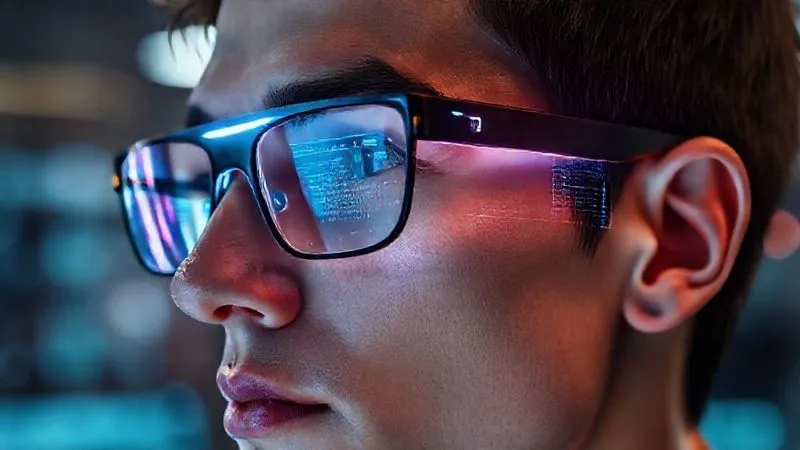
Case Study: Revitalizing 'Screen-Fatigued' Professionals at Tech Innovations Inc.
Tech Innovations Inc., a fast-paced software development firm, approached me regarding pervasive chronic CVS symptoms among their engineers. Traditional ergonomic reviews and 'wellness breaks' had minimal impact on their productivity and reported discomfort. Their average employee was spending 10-12 hours daily in front of multiple screens.
We implemented a pilot program introducing AI-powered eye-tracking software on their workstations. This software provided real-time feedback on blink rate and sustained gaze duration, prompting micro-breaks and guiding short eye exercises. Concurrently, we conducted personalized vision therapy assessments for the most severe cases.
Within three months, Tech Innovations Inc. reported a 25% reduction in employee-reported eye strain symptoms and a 15% increase in self-reported focus and productivity. The engineers found the personalized, data-driven feedback far more engaging and effective than generic reminders. This resulted in improved employee morale and a significant decrease in absenteeism due to CVS-related discomfort.
Mind-Body Connection: Stress Reduction and Ocular Wellness
It’s easy to focus solely on the physical aspects of the eyes when discussing chronic computer vision syndrome, but I've consistently found that the mind-body connection plays a profound role. Stress, anxiety, and even poor sleep can significantly exacerbate CVS symptoms, creating a vicious cycle.
The Vicious Cycle of Stress and Eye Strain
When we are stressed, our sympathetic nervous system is activated, leading to physiological changes that can impact our vision. This includes increased muscle tension (which can affect the muscles around the eyes and in the neck), reduced blink rate, and a greater susceptibility to dry eyes. Moreover, stress can lower our pain threshold, making existing discomfort feel more severe.
Conversely, the discomfort and frustration of chronic CVS can itself become a significant source of stress, leading to a detrimental feedback loop. Breaking this cycle requires a conscious effort to integrate stress-reduction techniques into daily life.
- Mindfulness and Meditation: Even short daily sessions can train your mind to be more present and less reactive to stressors, indirectly easing ocular tension.
- Deep Breathing Exercises: Simple diaphragmatic breathing can calm the nervous system, reduce overall body tension, and promote relaxation in the ocular area.
- Regular Physical Activity: Exercise is a powerful stress reliever, improving circulation throughout the body, including to the eyes.
- Prioritize Sleep Hygiene: Adequate, restorative sleep is crucial for eye recovery. Ensure a dark, quiet, cool sleep environment and avoid screens at least an hour before bedtime.
- Digital Detox Periods: Consciously schedule time away from all screens, especially during evenings and weekends. Engage in activities that require distant vision and natural light.
Addressing the underlying stress factors is not just a complementary therapy; it's an integral component of advanced solutions for chronic computer vision syndrome. As Harvard Health often highlights, the eyes are not isolated organs but are deeply connected to our overall physical and mental well-being.
Proactive Monitoring and Long-Term Prevention Strategies
Managing chronic CVS isn't a one-time fix; it's an ongoing commitment to ocular health. The most advanced solutions for chronic computer vision syndrome incorporate a proactive, continuous monitoring approach to prevent recurrence and progression.
Regular Comprehensive Eye Exams: A Non-Negotiable
Even if you feel your symptoms are under control, regular comprehensive eye examinations are paramount. These exams go beyond simply checking your prescription; they assess the health of your entire visual system, including:
- Refractive Status: Ensuring your glasses or contact lens prescription is accurate for both distance and near vision.
- Ocular Motility: Evaluating how well your eyes move and track together.
- Accommodative Function: Testing your eyes' ability to focus at various distances.
- Ocular Surface Health: Detailed assessment of your tear film and meibomian glands.
- Retinal and Optic Nerve Health: Ruling out any underlying eye diseases that might mimic or exacerbate CVS symptoms.
Catching subtle changes early allows for timely adjustments to your treatment plan, preventing a relapse into chronic discomfort. I recommend annual exams for all digital device users, and more frequent checks if you have persistent symptoms or underlying eye conditions.

Furthermore, staying informed about new technologies and research is key. The landscape of digital eye health is constantly evolving, and what's considered advanced today might be standard tomorrow. Subscribing to reputable eye care newsletters or following professional organizations like the World Health Organization's vision health updates can keep you abreast of the latest developments.
| Strategy Component | Frequency | Key Benefit |
|---|---|---|
| Comprehensive Eye Exams | Annually (or as advised) | Early detection, prescription accuracy, overall eye health |
| Ergonomic Reassessment | Bi-annually or with workspace changes | Maintain optimal workstation setup, prevent posture-related strain |
| Vision Therapy Check-ins | As prescribed, then annually | Reinforce visual skills, address new dysfunctions |
| Dry Eye Management Review | As needed, usually quarterly to bi-annually | Adjust treatments for changing symptoms, maintain ocular surface health |
Frequently Asked Questions (FAQ)
Can chronic computer vision syndrome lead to permanent eye damage? While chronic CVS is incredibly uncomfortable and can significantly impact quality of life, it's generally not associated with permanent eye damage or diseases like glaucoma or cataracts. However, persistent symptoms like dry eye, if left untreated, can sometimes lead to corneal abrasions or infections. More importantly, it can mask or exacerbate underlying conditions, which is why comprehensive eye exams are crucial.
How long does it take to see improvement with advanced CVS solutions? The timeline for improvement varies greatly depending on the severity of your chronic CVS, the specific interventions implemented, and your consistency with therapies. With a multi-faceted approach combining ergonomic adjustments, specialized lenses, and targeted treatments like vision therapy or advanced dry eye management, many patients report significant relief within a few weeks to a few months. Consistency and adherence to the plan are key.
Are blue light blocking glasses truly effective for chronic CVS? The scientific consensus on the direct retinal harm of blue light from screens is still evolving. However, many individuals with chronic CVS report subjective improvements in comfort, reduced glare, and better sleep quality when using blue light filtering lenses. They are often part of a broader strategy to reduce visual discomfort, not a standalone cure. For chronic cases, I recommend them as a component of a comprehensive solution.
Is surgery an option for chronic computer vision syndrome? No, surgery is generally not an option for treating chronic computer vision syndrome itself. CVS is a functional vision problem, often related to how the eyes focus and coordinate, and how they interact with the digital environment. Surgical interventions are reserved for structural eye issues, such as cataracts, glaucoma, or severe refractive errors that cannot be corrected with glasses or contacts. Advanced solutions for chronic computer vision syndrome focus on rehabilitation, environmental modification, and targeted therapies.
Can children also suffer from chronic computer vision syndrome? Absolutely. With increased digital device use for education and entertainment, children are increasingly susceptible to CVS. Their visual systems are still developing, and prolonged near work can induce or worsen conditions like myopia (nearsightedness) and accommodative or vergence dysfunctions. Early intervention with proper ergonomics, frequent breaks, and sometimes even specialized lenses or vision therapy is vital for children.
Key Takeaways and Final Thoughts
Navigating the complexities of chronic computer vision syndrome requires more than quick fixes; it demands a dedicated, informed, and personalized strategy. As we’ve explored, the advanced solutions for chronic computer vision syndrome extend far beyond basic advice, offering genuine pathways to lasting relief and enhanced ocular health.
- Personalization is Paramount: Generic advice falls short. Your solutions must be tailored to your unique visual needs and digital habits.
- Embrace Advanced Eyewear: Specialty lenses and coatings are powerful tools for reducing strain and improving visual comfort.
- Consider Vision Therapy: For underlying visual dysfunctions, targeted vision therapy can retrain your eyes and brain for more efficient digital interaction.
- Address Ocular Surface Health: Chronic dry eye is a major component; advanced treatments are available to restore comfort.
- Integrate Technology and Wellness: AI-powered tools offer precision, while stress reduction and holistic well-being are non-negotiable for success.
- Proactive Monitoring is Key: Regular comprehensive eye exams and continuous self-assessment prevent relapse and ensure long-term success.
Don't resign yourself to a future of eye discomfort. By embracing these advanced strategies and working closely with an experienced eye care professional, you can reclaim your visual comfort, boost your productivity, and enjoy a healthier relationship with your digital world. Your eyes are invaluable assets; invest in their advanced care today.
Recommended Reading
- 7 Essential Strategies: Counseling Clients with Co-Occurring Addiction
- 7 Ethical Strategies: Managing Clients' Self-Diagnosed Food Intolerances
- Unlock 7 Proven Ways to Combat Sedentary Office Life Health Risks Effectively
- 7 Urgent Strategies for Professionals: Clear Sudden Stress Breakouts Fast
- 5 Steps to Preventing Sudden Skin Elasticity Degradation Post-Procedure







0 Comentários: