 By
By 
How to Diagnose Stubborn Bloating When Diet Changes Fail?
For over two decades in the realm of digestive health, I've witnessed countless individuals grappling with a profound sense of frustration and despair: persistent bloating that simply won't budge, even after diligent diet changes. It's a scenario I've seen play out in private clinics and through countless consultations, where the initial hope of dietary modification gives way to a crushing feeling of helplessness.
This isn't just a minor discomfort; chronic, unexplained bloating can significantly diminish one's quality of life, affecting everything from clothing choices and social confidence to energy levels and overall well-being. It's a persistent signal from your body, often misinterpreted, that something deeper than just 'what you ate' is amiss.
In this definitive guide, I will walk you through a systematic, expert-driven diagnostic journey. We'll move beyond the common dietary culprits to uncover the physiological, microbial, structural, and even neurological factors that could be at play. My goal is to equip you with the knowledge and actionable frameworks to effectively diagnose stubborn bloating when diet changes fail, leading you closer to lasting relief.
The Critical First Step: Re-Evaluating Your "Failed" Diet Changes
Before we delve into advanced diagnostics, it's crucial to critically re-evaluate your previous dietary efforts. Often, what seems like a 'failed' diet change might simply be an incomplete or misdirected one. Precision here can save you significant time and distress.
Are You Tracking Accurately?
The difference between perceived and actual dietary changes can be vast. Hidden ingredients, cross-contamination, or even unconscious snacking can derail an otherwise strict protocol. I've often seen patients overlook the small details that make a big difference.
- Maintain a Meticulous Food and Symptom Diary: For at least 2-4 weeks, record *everything* you eat and drink, including portion sizes, specific ingredients, and the timing of meals. Simultaneously, log all digestive symptoms, their severity, and their timing relative to food intake.
- Note Lifestyle Factors: Crucially, also track stress levels, sleep quality, exercise, and medication intake. These non-dietary elements can significantly impact digestion and bloating.
- Look for Subtle Patterns: Move beyond obvious triggers. Are there specific meal combinations? Do symptoms worsen at a particular time of day regardless of food? Is there a delayed reaction (e.g., 24-48 hours later)?
Beyond Common Triggers: Exploring Less Obvious Sensitivities
Most people start with gluten, dairy, and perhaps high-FODMAP foods. However, the spectrum of potential dietary triggers is much broader. While self-diagnosis for these can be challenging, awareness is key.
- Histamines: Found in aged foods, fermented products, and some fruits/vegetables, histamine intolerance can mimic allergic reactions, including bloating.
- Oxalates: High oxalate foods (spinach, almonds, chocolate) can be problematic for some individuals, contributing to digestive distress.
- Salicylates: Naturally occurring compounds in many fruits, vegetables, and spices, which can trigger symptoms in sensitive individuals.
True dietary diagnosis isn't about restriction; it's about precision and understanding your unique biological response. Without meticulous tracking and a broad perspective, you might be missing critical pieces of the puzzle.
Unveiling Gut Imbalances: The Microbiome and Beyond
When dietary adjustments alone prove insufficient, the next frontier in diagnosing stubborn bloating often lies within the gut's intricate internal ecosystem. Imbalances here are incredibly common and frequently overlooked.
Small Intestinal Bacterial Overgrowth (SIBO)
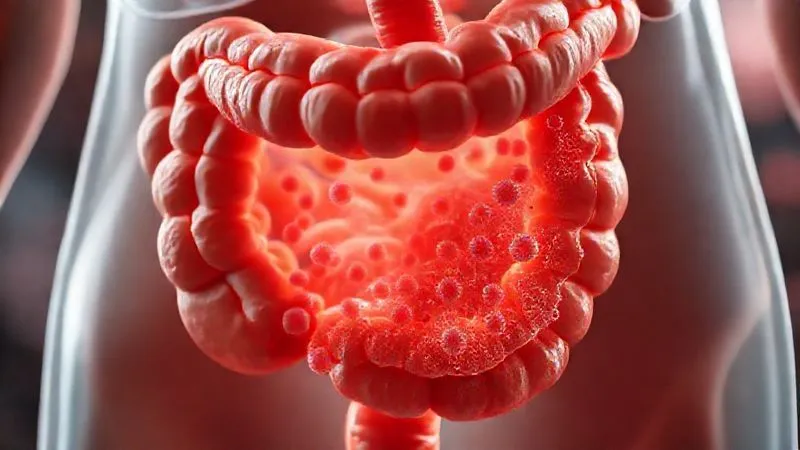
SIBO is arguably one of the most common, yet frequently misdiagnosed, causes of chronic bloating. It occurs when there's an excessive amount of bacteria, typically found in the large intestine, colonizing the small intestine. These bacteria ferment carbohydrates, producing gases that lead to significant bloating, distension, pain, and altered bowel habits.
- Hydrogen/Methane Breath Test: This is currently considered the gold standard for diagnosing SIBO. After an overnight fast and specific dietary preparation, you ingest a sugar solution (lactulose or glucose). The gases produced by bacteria in your small intestine are then measured in your breath at regular intervals over 2-3 hours. Elevated levels indicate SIBO.
- Preparation and Interpretation: Proper test preparation (avoiding certain foods and medications) is crucial for accurate results. Interpretation requires an experienced practitioner to differentiate between hydrogen-dominant (diarrhea-prone) and methane-dominant (constipation-prone) SIBO.
Dysbiosis and Gut Microbiome Testing
Beyond SIBO, a general imbalance in the gut microbiome (dysbiosis) can contribute significantly to bloating. This refers to an unhealthy ratio of beneficial to harmful bacteria, or a lack of diversity, in the large intestine.
- Comprehensive Stool Tests: These advanced tests can provide a snapshot of your entire gut microbiome. They can reveal the presence of pathogenic bacteria, parasites, yeast overgrowth, levels of beneficial bacteria, and markers of inflammation (e.g., fecal calprotectin) or digestive function (e.g., pancreatic elastase).
- Metagenomic Sequencing: More advanced tests use DNA sequencing to identify specific species and their metabolic functions, offering a deeper insight into your unique gut ecosystem. While not always directly diagnostic for a single bloating cause, they can guide targeted interventions.
For more detailed information on the gut microbiome and its impact on health, you can refer to insights from Harvard Health Publishing.
Digestive Enzymes and Malabsorption: Are You Breaking Down Food Properly?
Even with a meticulously clean diet, if your body isn't efficiently breaking down and absorbing nutrients, bloating and other digestive symptoms can ensue. This often points to issues with digestive enzymes or bile production.
Pancreatic Enzyme Insufficiency (PEI)
The pancreas produces crucial enzymes (lipase, amylase, protease) necessary for digesting fats, carbohydrates, and proteins. If your pancreas isn't producing enough of these enzymes, food can remain undigested, leading to fermentation, gas, and bloating in the lower gut.
- Symptoms: Bloating is often accompanied by fatty, foul-smelling stools (steatorrhea), weight loss, and nutrient deficiencies.
- Diagnostic Tests: The most common test is a fecal elastase-1 test, which measures the amount of this specific pancreatic enzyme in your stool. Low levels indicate PEI.
Bile Acid Malabsorption (BAM)
Bile acids, produced by the liver and stored in the gallbladder, are essential for the digestion and absorption of fats. If bile acids are not properly reabsorbed in the small intestine, they can spill into the large intestine, irritating the colon and causing bloating and diarrhea.
- Symptoms: Often presents as chronic watery diarrhea, but bloating and abdominal pain are also common.
- Diagnostic Tests: The SeHCAT scan is a specialized nuclear medicine test, though less commonly available. More frequently, a therapeutic trial with bile acid sequestrants might be used for diagnosis.
| Symptom | Malabsorption (e.g., PEI) | SIBO |
|---|---|---|
| Bloating Location | Often lower abdominal, generalized | Often upper abdominal, worsens throughout the day |
| Accompanying Symptoms | Fatty stools, weight loss, nutrient deficiencies | Abdominal pain, altered bowel habits (constipation/diarrhea), brain fog |
| Trigger | Especially after fatty or large meals | Carbohydrate-rich foods, fermentation |
Understanding malabsorption is critical, as highlighted by resources like the National Institute of Diabetes and Digestive and Kidney Diseases (NIDDK).
Structural and Motility Issues: The Physical Roadblocks
Sometimes, the problem isn't what's in your gut, but how it's moving – or rather, not moving. Mechanical or neurological issues affecting the physical passage of food and waste can directly lead to bloating.
Gastroparesis and Impaired Gastric Emptying
Gastroparesis is a condition where the stomach muscles don't function properly, leading to a delay in gastric emptying – food stays in the stomach for too long. This can cause significant upper abdominal bloating, nausea, early satiety, and vomiting.
- Symptoms: Chronic upper abdominal bloating, nausea, vomiting of undigested food, early fullness.
- Diagnostic Tests: A gastric emptying study (gastric scintigraphy) is the primary diagnostic tool. You eat a meal containing a small amount of radioactive material, and a scanner tracks how quickly it leaves your stomach.
Pelvic Floor Dysfunction
An often-overlooked cause of chronic bloating, particularly when accompanied by constipation, is pelvic floor dysfunction. The pelvic floor muscles support the bladder, bowel, and uterus. If these muscles are too tight, weak, or uncoordinated, they can impede normal bowel movements, leading to stool retention and subsequent bloating.
- Symptoms: Straining during bowel movements, feeling of incomplete evacuation, constipation, painful intercourse, and persistent lower abdominal bloating.
- Diagnostic Tests: A physical examination by a specialized physiotherapist or gynecologist, and sometimes an anorectal manometry, can diagnose pelvic floor dysfunction.

Inflammatory and Immune-Mediated Conditions
Chronic inflammation or an overactive immune response within the digestive tract can manifest as persistent and stubborn bloating. These conditions require specific medical diagnosis and management.
Inflammatory Bowel Disease (IBD)
Conditions like Crohn's disease and ulcerative colitis are chronic inflammatory conditions of the digestive tract. While bloating can be a significant symptom, it's usually accompanied by more severe indicators.
- Symptoms: Abdominal pain, severe diarrhea (often bloody), weight loss, fatigue, fever, and sometimes extra-intestinal manifestations (joint pain, skin issues).
- Diagnostic Tests: Diagnosis typically involves a combination of blood tests (CRP, ESR for inflammation), stool tests (fecal calprotectin), imaging (MRI, CT scans), and definitive endoscopic procedures like colonoscopy or endoscopy with biopsy.
Celiac Disease and Non-Celiac Gluten Sensitivity
Celiac disease is an autoimmune condition where ingesting gluten leads to damage in the small intestine. Non-celiac gluten sensitivity (NCGS) presents with similar symptoms but without the autoimmune damage.
- Symptoms: Bloating is a very common symptom for both, alongside diarrhea, constipation, abdominal pain, fatigue, and nutrient deficiencies.
- Diagnostic Tests for Celiac: Blood tests (tissue transglutaminase IgA – tTG-IgA, endomysial antibody – EMA) are screening tools. A definitive diagnosis requires an endoscopy with small intestinal biopsy while still consuming gluten.
- Diagnostic Approach for NCGS: Once celiac disease and wheat allergy are ruled out, a carefully monitored elimination and reintroduction diet for gluten can help identify NCGS.
For accurate information on celiac disease diagnosis, refer to the Celiac Disease Foundation.
Persistent bloating, especially accompanied by other systemic symptoms like weight loss, bloody stools, or severe fatigue, is a red flag for underlying inflammatory processes that demand prompt medical attention and thorough investigation.
The Brain-Gut Axis and Functional Disorders
The intricate, bidirectional communication between your brain and gut (the brain-gut axis) plays a profound role in digestive health. Disruptions here can amplify, or even directly cause, bloating symptoms, even when no structural or microbial issues are found.
Irritable Bowel Syndrome (IBS) and Functional Dyspepsia
IBS is a classic example of a functional gastrointestinal disorder, meaning there's a disturbance in how the gut works, but no identifiable structural or biochemical abnormality. Bloating is a hallmark symptom of IBS, often accompanied by abdominal pain and changes in bowel habits.
- Diagnosis of Exclusion: IBS is typically diagnosed after other conditions (like SIBO, IBD, celiac disease) have been ruled out. It relies on symptom patterns, often using the Rome IV criteria.
- Functional Dyspepsia: Similar to IBS but primarily affecting the upper digestive tract, causing symptoms like early satiety, epigastric pain, and upper abdominal bloating without an obvious cause.
Case Study: Sarah's Journey from Frustration to Freedom
Sarah, a 38-year-old marketing executive, had tried every diet imaginable for her chronic bloating and discomfort. She'd eliminated gluten, dairy, and even followed a strict low-FODMAP protocol for months, only to find her bloating stubbornly returning. After thorough diagnostic testing ruled out SIBO, IBD, malabsorption, and celiac disease, we identified her condition as IBS with significant visceral hypersensitivity. By focusing on gut-directed hypnotherapy, stress reduction techniques, and a carefully managed reintroduction of a low-FODMAP approach tailored to her specific triggers, Sarah saw a dramatic reduction in her bloating within three months. This wasn't about a 'perfect diet' but a holistic approach to her brain-gut connection, retraining her gut's response to normal sensations.
Visceral Hypersensitivity
This refers to an increased sensitivity of the nerves in the gut. For someone with visceral hypersensitivity, normal amounts of gas or stool passing through the intestines can be perceived as painful or cause exaggerated bloating sensations. This condition is often a key component of IBS.
Hormonal Influences and Other Systemic Factors
Don't underestimate the body's broader systems. Hormones, stress, and even certain medications can significantly impact digestion and contribute to stubborn bloating.
Hormonal Fluctuations
Hormones play a critical role in regulating digestive function. Fluctuations, particularly in women, are a common cause of cyclical bloating.
- Estrogen and Progesterone: High estrogen levels (common during PMS, perimenopause, or with certain medications) can lead to water retention and slower gut transit, resulting in bloating. Progesterone, while often seen as calming, can also slow down gut motility, contributing to constipation and bloating.
- Thyroid Hormones: Hypothyroidism (underactive thyroid) is a well-known cause of constipation and generalized bloating due to its impact on overall metabolic rate and gut motility.
Stress and the Autonomic Nervous System
Chronic stress is a powerful modulator of gut function. The 'fight or flight' response diverts resources away from digestion, impacting motility, enzyme production, and gut barrier integrity. This can exacerbate existing issues or directly cause bloating.
- Impact on Motility: Stress can either speed up (diarrhea) or slow down (constipation) gut transit, both of which can lead to bloating.
- Visceral Hypersensitivity: Chronic stress can increase the gut's sensitivity to pain and distension, making bloating feel more severe.

Navigating the Diagnostic Journey: Your Partnership with Experts
The journey to diagnose stubborn bloating when diet changes fail is complex and often requires a multi-faceted approach. It's not a path you should walk alone. Partnering with a skilled healthcare team is paramount.
- Find a Qualified Practitioner: Seek out a gastroenterologist, a functional medicine practitioner, or a registered dietitian with expertise in complex digestive issues. They can guide you through appropriate testing and interpretation.
- Be Prepared: Come to your appointments with your detailed food and symptom diary, a comprehensive list of all medications and supplements, and a clear timeline of your symptoms and previous interventions. This information is invaluable for your clinician.
- Advocate for Thorough Testing: Don't settle for a quick fix or a broad diagnosis without proper investigation. Politely ask about specific tests (e.g., SIBO breath test, stool analysis, celiac panel) if you suspect they may be relevant based on your symptoms.
- Consider a Multidisciplinary Approach: In complex cases, a team including a gastroenterologist, a dietitian, and potentially a pelvic floor physiotherapist or a therapist specializing in gut-directed hypnotherapy, can offer the most comprehensive care.
Frequently Asked Questions (FAQ)
Question: How long should I persist with diet changes before seeking further diagnosis for stubborn bloating? In my experience, if you've meticulously followed a strict elimination diet (e.g., low-FODMAP, gluten-free, dairy-free) for 4-6 weeks with no significant or sustained improvement in your bloating symptoms, it's a strong indicator that diet alone is not the sole culprit. At this point, it's crucial to seek professional medical guidance for deeper diagnostic testing.
Question: Can stress alone cause stubborn bloating, even without any underlying gut issue? While stress can certainly exacerbate existing digestive issues and significantly amplify the perception of bloating through the brain-gut axis, it's rare for stress to be the *sole* cause of persistent, severe bloating without any contributing physiological factor. Chronic stress often creates an environment in the gut that makes it more susceptible to problems like dysbiosis or motility issues, making it a powerful co-factor rather than the singular root.
Question: Are at-home gut microbiome tests reliable for diagnosing the specific causes of bloating? At-home gut microbiome tests can offer interesting insights into the diversity and general composition of your gut bacteria. They can be a useful starting point for understanding your gut health. However, they are generally not considered diagnostic for specific conditions like SIBO, IBD, or malabsorption, which require medical-grade tests (e.g., breath tests, endoscopy, specific stool markers). Always discuss results with a healthcare professional and confirm any suspected issues with clinical diagnostic tests.
Question: What's the difference between food intolerance and food allergy regarding bloating? A food allergy is an immune-mediated response that can be severe and rapid, potentially life-threatening (e.g., hives, swelling, difficulty breathing). While digestive symptoms like bloating can occur, they are usually part of a broader, acute allergic reaction. A food intolerance, on the other hand, is a digestive issue (e.g., lack of enzymes, sensitivity to certain compounds) that typically results in delayed, dose-dependent symptoms like bloating, gas, diarrhea, or constipation, and is generally not life-threatening.
Question: Is it possible to have multiple causes for my stubborn bloating? Absolutely. In fact, it's quite common for stubborn bloating to be multifactorial. For example, you might have underlying SIBO exacerbated by stress, or a mild enzyme insufficiency combined with visceral hypersensitivity. This is precisely why a systematic diagnostic approach is so critical, as addressing just one component might not resolve the entire problem.
Key Takeaways and Final Thoughts
- Stubborn bloating that persists despite diligent diet changes is a clear signal that deeper physiological, microbial, or structural issues are likely at play.
- A systematic investigative approach, moving beyond simple dietary eliminations, is crucial for accurate diagnosis. Key areas to explore include SIBO, gut dysbiosis, malabsorption, structural/motility disorders, inflammatory conditions, and the brain-gut axis.
- The brain-gut connection and hormonal influences are powerful, often overlooked, contributors to chronic bloating, impacting both physical function and symptom perception.
- Partnering with a skilled and knowledgeable healthcare team is paramount. Be prepared to advocate for thorough testing and a comprehensive, individualized treatment plan.
- Do not lose hope. While the journey to diagnose stubborn bloating when diet changes fail can be frustrating, effective solutions and significant relief are often found once the true root causes are identified and addressed.
Your digestive health is incredibly complex, but with persistence, a systematic approach, and the right expert guidance, you can move from the frustration of unexplained bloating to a place of understanding, effective management, and lasting relief. Your body is sending you signals; it's time to listen with precision and expertise.
Recommended Reading
- Unlock Mornings: How to Naturally Reduce Joint Stiffness & Move Freely
- 5 Urgent Signs: Identify Immunity Vitamin Deficiencies in Patients Now
- Sustainable Eating for Diabetes & IBS: A 7-Step Expert Guide
- Sober Living Rules Refused? 5 Steps to Restore Order & Support Recovery
- 7 Strategies to Clear Intractable Airway Mucus in Critically Ill Patients







0 Comentários: