 By
By 
How to Resolve Chronic Constipation Resistant to Standard Fiber Intake?
For over two decades in digestive health, I've witnessed the profound frustration and despair that accompanies chronic constipation, especially when the “standard advice” of simply “eating more fiber” falls flat. It’s a common, yet often misunderstood, predicament where individuals diligently increase their fiber intake, only to find their symptoms persist or, in some cases, even worsen.
This isn't just about occasional discomfort; it’s about a significant decline in quality of life, impacting energy levels, mood, and overall well-being. Patients often feel unheard, dismissed, or believe they are somehow failing when conventional wisdom offers no relief. They are left wondering: if fiber isn't the answer, what is?
This article will demystify why standard fiber approaches fail for some and equip you with a multi-faceted, expert-backed roadmap to truly resolve chronic constipation resistant to standard fiber intake. We’ll dive deep into advanced strategies, from nuanced dietary adjustments and gut motility enhancers to pelvic floor therapy and microbiome modulation, offering not just information but actionable frameworks and insights gained from years of clinical experience.
Beyond Fiber: Understanding the Root Causes of Resistant Constipation
When fiber alone isn’t cutting it, it’s a clear signal that we need to look deeper. The gut is an incredibly complex system, and chronic constipation resistant to standard fiber intake often stems from underlying issues that fiber simply cannot address on its own.
The Misconception of 'More Fiber'
While fiber is crucial for digestive health, it’s not a panacea. For some, particularly those with gut motility disorders or certain types of dysbiosis, excessive fiber can actually exacerbate symptoms like bloating, gas, and abdominal pain by adding bulk without improving transit time. It’s like adding more cars to a traffic jam – if the road isn’t moving, more cars just make it worse.
My experience has shown that blindly increasing fiber can be counterproductive, particularly if the individual has a slower transit time to begin with. The goal isn't just bulk; it's efficient movement.
Unpacking the Physiology: Motility, Neuropathy, and Obstruction
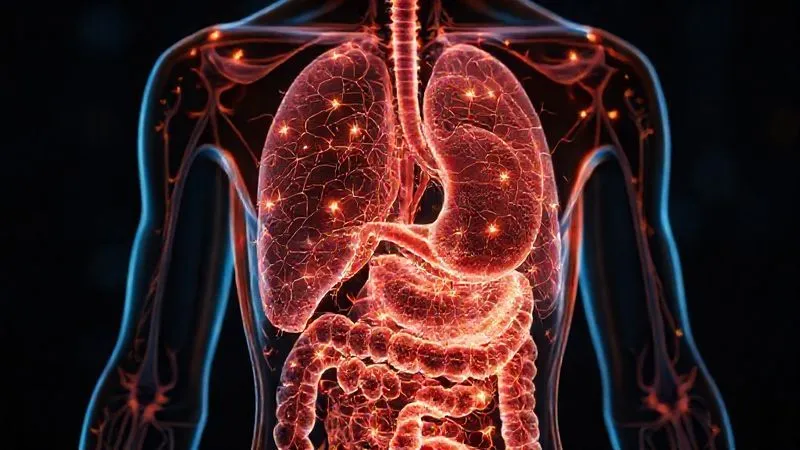
The true culprits behind resistant constipation are often physiological. These can include:
- Slow Transit Constipation: The colon's muscles contract too slowly or weakly, causing stool to move sluggishly. This is a primary motility issue.
- Pelvic Floor Dysfunction (Dyssynergic Defecation): The muscles of the pelvic floor and anus don't relax or coordinate properly during a bowel movement, making it difficult to expel stool.
- Neuropathic Issues: Damage or dysfunction in the nerves that control bowel movements can disrupt the signals needed for proper peristalsis.
- Obstructive Causes: Structural abnormalities like strictures, tumors, or rectoceles can physically impede stool passage.
- Gut Microbiome Imbalance: An unhealthy balance of gut bacteria can affect gut motility, inflammation, and even the production of neurotransmitters that influence bowel function.
- Systemic Conditions: Diseases such as hypothyroidism, diabetes, Parkinson's disease, or even certain medications can lead to secondary constipation.
Understanding these deeper mechanisms is the first step in formulating an effective treatment plan beyond simple fiber adjustments. It requires a diagnostic approach, not just a symptomatic one.
Advanced Dietary Strategies Beyond Basic Fiber Adjustments
While fiber isn't always the sole solution, diet remains a cornerstone of bowel regularity. However, for chronic constipation resistant to standard fiber intake, a more nuanced, individualized approach is essential.
The Role of Soluble vs. Insoluble Fiber: A Nuanced Approach
Not all fiber is created equal. Understanding the difference between soluble and insoluble fiber is critical:
- Insoluble Fiber: Adds bulk to stool and helps it pass more quickly through the digestive tract. Found in wheat bran, whole grains, and vegetables. For some, too much insoluble fiber can be irritating or worsen bloating if transit is already slow.
- Soluble Fiber: Dissolves in water to form a gel-like substance, softening stool and making it easier to pass. Found in oats, apples, psyllium, and flax seeds. This type is often better tolerated and more effective for resistant constipation, as it can improve stool consistency without excessive bulk.
I often guide patients to focus on soluble fiber sources, gradually increasing intake while monitoring symptoms. Psyllium husk, for instance, is a soluble fiber that can be incredibly effective when combined with adequate hydration.
Hydration: More Than Just Water Intake
You can consume all the fiber in the world, but without sufficient water, it’s like trying to push dry concrete through a pipe. Water is essential for fiber to swell and soften stool. For those with resistant constipation, simply “drinking enough water” might not be enough.
Consider:
- Electrolyte Balance: Sometimes, it's not just water, but also electrolytes that are needed for optimal hydration and cellular function, which impacts muscle contractions in the gut.
- Warm Liquids: A warm glass of water or herbal tea in the morning can stimulate the gastrocolic reflex, encouraging a bowel movement.
- Hydrating Foods: Incorporate water-rich fruits and vegetables like cucumber, watermelon, and celery into your diet.
Exploring Low-FODMAP and Elimination Diets for Gut Sensitivity
For a subset of individuals, particularly those with co-existing Irritable Bowel Syndrome (IBS), certain fermentable carbohydrates (FODMAPs) can trigger symptoms like bloating, gas, and altered bowel habits. A temporary low-FODMAP diet, under expert guidance, can help identify trigger foods that might be contributing to constipation by causing inflammation or gas that slows transit.
Similarly, elimination diets – systematically removing common allergens like dairy, gluten, or soy – can uncover sensitivities that contribute to gut inflammation and dysmotility. This isn't a long-term solution but a diagnostic tool to identify individual triggers.
| Fiber Type | Sources | Mechanism | Benefit for Constipation |
|---|---|---|---|
| Soluble Fiber | Oats, apples, pears, psyllium, flax seeds, legumes, carrots, barley | Forms a gel, softens stool, aids regularity | Improves stool consistency, reduces straining |
| Insoluble Fiber | Whole wheat, wheat bran, brown rice, nuts, seeds, skin of fruits/vegetables | Adds bulk, speeds transit (can worsen in slow transit) | Increases stool volume, promotes movement (use with caution in resistant cases) |
Optimizing Gut Motility: Pharmacological and Natural Prokinetics
If the problem is that the gut simply isn't moving things along efficiently, then strategies to enhance motility become paramount. This is where we often move beyond diet alone to targeted interventions.
Prescription Prokinetics: When and Why They're Necessary
Prokinetic agents are medications designed to enhance gastrointestinal motility by increasing the frequency or strength of contractions in the digestive tract. For severe or resistant chronic constipation, these can be a game-changer. Examples include prucalopride (a selective serotonin-4 receptor agonist) or linaclotide (a guanylate cyclase-C agonist).
These medications work on specific pathways to encourage peristalsis and fluid secretion into the bowel, making stool softer and easier to pass. They are typically prescribed after other methods have failed and a thorough diagnostic workup has been completed. It’s crucial to discuss the potential benefits and side effects with your gastroenterologist. The National Institute of Diabetes and Digestive and Kidney Diseases (NIDDK) provides comprehensive information on prescription treatments.
Natural Motility Boosters: Magnesium and Herbal Support
Before jumping to prescriptions, several natural compounds can support gut motility:
- Magnesium: Magnesium citrate or magnesium hydroxide acts as an osmotic laxative, drawing water into the colon to soften stool and stimulate bowel movements. It’s often my first recommendation for a natural boost.
- Herbal Remedies: Certain herbs like senna or cascara sagrada are stimulant laxatives and can be effective for short-term use, but long-term reliance can lead to dependency. Gentler options like ginger or triphala are sometimes used in traditional medicine to support digestive function.
- Acupressure/Acupuncture: While not directly a “booster,” some individuals find relief through these practices, which aim to stimulate energy pathways and promote balance, potentially improving gut function.
"The gut-brain axis is not a metaphor; it's a superhighway of communication. Ignoring the signals from either end means missing critical opportunities to resolve chronic constipation that resists conventional treatment." - Dr. Emily White, Gastroenterologist.
Addressing Pelvic Floor Dysfunction: Biofeedback and Physical Therapy
One of the most overlooked, yet common, causes of chronic constipation resistant to fiber is pelvic floor dysfunction, specifically a condition called dyssynergic defecation. This is where the “exit door” isn’t opening correctly.
Understanding Dyssynergic Defecation
Dyssynergic defecation occurs when the muscles of the pelvic floor, which should relax during a bowel movement, instead contract or fail to relax adequately. This creates an obstruction, making it extremely difficult to pass stool even if it’s soft and well-formed. It’s like trying to push a car with the brakes on.
This condition often goes undiagnosed because it’s not about what you eat, but how your body physically performs the act of defecation. Patients may strain excessively, feel incomplete evacuation, and spend long periods on the toilet.
The Power of Pelvic Floor Physical Therapy and Biofeedback
For dyssynergic defecation, the gold standard treatment is pelvic floor physical therapy, often incorporating biofeedback. This specialized therapy involves:
- Assessment: A trained physical therapist evaluates the strength, coordination, and relaxation ability of your pelvic floor muscles.
- Education: You learn about proper bowel mechanics and how to correctly relax and coordinate your muscles during a bowel movement.
- Biofeedback Training: Sensors are used to provide real-time feedback on muscle activity, allowing you to visualize and practice relaxing and coordinating your pelvic floor muscles. This helps retrain the muscles to function correctly.
- Home Exercises: You’ll be given exercises to strengthen and relax the relevant muscles, improving long-term control.
In my practice, I've seen remarkable transformations in patients who, after years of struggling, finally find relief through dedicated pelvic floor therapy. It’s a non-invasive, highly effective treatment for the right candidates.
Case Study: Sarah's Journey to Regularity
Sarah, a 45-year-old marketing executive, had suffered from chronic constipation for over a decade. She meticulously tracked her fiber intake, drank gallons of water, and tried various over-the-counter remedies, all to no avail. Her stools were often small, hard, and she experienced significant straining, often feeling like she couldn't fully empty her bowels. A comprehensive diagnostic workup, including anorectal manometry, revealed she had dyssynergic defecation.
Sarah was referred to a specialized pelvic floor physical therapist. Over 8 weekly sessions, she underwent biofeedback training, learning to identify and relax her pelvic floor muscles during simulated bowel movements. She also practiced diaphragmatic breathing and specific relaxation techniques. Within three months, Sarah reported a dramatic improvement in her symptoms. She was having regular, complete bowel movements without straining, and her quality of life improved significantly. This case perfectly illustrates that for some, the solution lies not in what they eat, but in retraining their body’s natural mechanics.
The Gut Microbiome: A New Frontier in Constipation Management
The trillions of bacteria, fungi, and viruses living in our gut – our gut microbiome – play a profound role in digestion, immunity, and even mood. An imbalance in this delicate ecosystem, known as dysbiosis, can be a significant contributor to chronic constipation resistant to standard fiber intake.
Probiotics, Prebiotics, and Postbiotics: Beyond the Hype
- Probiotics: Live beneficial bacteria that, when consumed in adequate amounts, confer a health benefit. Specific strains like Bifidobacterium lactis DN-173 010 (found in some yogurts) or Lactobacillus reuteri have shown promise in improving gut transit time for some individuals. It’s essential to choose a strain-specific probiotic that has clinical evidence for constipation.
- Prebiotics: Non-digestible fibers that selectively feed beneficial gut bacteria. Examples include inulin, fructooligosaccharides (FOS), and galactooligosaccharides (GOS). While prebiotics are a type of fiber, they work by modulating the microbiome, not just by adding bulk. However, for those sensitive to FODMAPs, some prebiotics can cause bloating.
- Postbiotics: Bioactive compounds produced by gut bacteria during fermentation of prebiotics. These include short-chain fatty acids (SCFAs) like butyrate, which nourish gut cells and can influence motility. While research is ongoing, some supplements are emerging that contain postbiotic compounds.
The key here is targeted intervention. A general “probiotic” might not be effective; specific strains for constipation are what we look for. Research into the role of specific probiotic strains for functional constipation continues to expand.
Fecal Microbiota Transplantation (FMT) for Severe Cases
For truly severe, refractory cases of constipation, particularly those linked to significant dysbiosis or certain conditions like C. difficile infection, Fecal Microbiota Transplantation (FMT) is an emerging treatment. FMT involves transferring stool from a healthy donor into the recipient’s gastrointestinal tract to restore a healthy microbial balance.
While primarily used for recurrent C. difficile, studies are exploring its potential for other gut disorders, including chronic constipation. This is a highly specialized procedure, typically reserved for cases where all other treatments have failed, and it must be performed in a clinical setting under strict medical supervision. It highlights the profound impact the microbiome has on our digestive health.
Mind-Body Connection: Stress, Anxiety, and Bowel Regularity
The gut-brain axis is a powerful, bidirectional communication network. What happens in your head can profoundly impact your gut, and vice versa. For many with chronic constipation resistant to standard fiber intake, stress and anxiety are not just co-existing conditions but active contributors to their bowel issues.
The Enteric Nervous System and Stress Response
Your gut has its own “brain” – the enteric nervous system (ENS) – a complex network of neurons embedded in the walls of the digestive tract. The ENS communicates constantly with the central nervous system (CNS) in your brain. When you’re stressed, the “fight or flight” response can divert blood flow away from the digestive system, slow down gut motility, and alter gut secretions, leading to constipation.
Chronic stress keeps the gut in a constant state of low-level alarm, disrupting its natural rhythm. This is why even with a perfect diet, if stress levels are high, bowel regularity can suffer significantly.
Mindfulness, Yoga, and Gut-Directed Hypnotherapy
Addressing the mind-body connection requires intentional strategies:
- Mindfulness and Meditation: Practices that focus on the present moment can reduce overall stress and anxiety, thereby calming the ENS and promoting better digestive function.
- Yoga and Tai Chi: These practices combine physical movement with breathwork and mindfulness, which can help relax the body, reduce stress, and potentially stimulate gut motility.
- Gut-Directed Hypnotherapy (GDH): A specialized form of hypnotherapy that uses guided imagery and relaxation techniques to directly target gut symptoms. Numerous studies have shown its effectiveness in managing IBS symptoms, including constipation, by helping to retrain the gut-brain communication.
- Cognitive Behavioral Therapy (CBT): Can help individuals identify and change negative thought patterns and behaviors related to their gut symptoms and stress.
Integrating these practices can be a powerful adjunct to other physical treatments, offering a holistic approach to resolving resistant constipation.

Strategic Laxative Use and Other Medical Interventions
For many with chronic constipation that doesn't respond to fiber, laxatives become a necessary part of management. The key is strategic, informed use, rather than haphazard reliance.
Osmotic vs. Stimulant Laxatives: A Balanced Perspective
- Osmotic Laxatives: These work by drawing water into the colon, softening the stool and making it easier to pass. Examples include polyethylene glycol (PEG, e.g., Miralax), magnesium hydroxide (Milk of Magnesia), and lactulose. They are generally considered safer for long-term use than stimulant laxatives.
- Stimulant Laxatives: These work by directly stimulating the nerves in the colon, causing muscle contractions. Examples include senna and bisacodyl. While effective for acute relief, long-term, daily use can potentially lead to dependency or damage to the colon's natural function. They should be used sparingly or under medical guidance for specific situations.
I often advise patients to prioritize osmotic laxatives for ongoing management, reserving stimulants for occasional, acute episodes, or as part of a medically supervised bowel regimen. Consistency and proper dosage are crucial for effectiveness.
Emerging Therapies: Peripherally Acting Mu-Opioid Receptor Antagonists (PAMORAs)
For individuals whose constipation is linked to opioid use (Opioid-Induced Constipation, OIC), or for certain cases of chronic idiopathic constipation, a class of drugs called PAMORAs offers a targeted solution. These medications block the constipating effects of opioids in the gut without affecting their pain-relieving properties in the brain.
Examples include methylnaltrexone and naloxegol. They represent a significant advancement for a specific, challenging subset of resistant constipation. Their mechanism of action highlights the complex pharmacology involved in gut motility. Further reading on PAMORAs and their role in chronic constipation is available from authoritative medical journals.
| Laxative Type | Mechanism | Onset | Pros | Cons | Examples |
|---|---|---|---|---|---|
| Osmotic | Draws water into colon, softens stool | 12-72 hours | Gentle, generally safe for long-term use, non-habit forming | Can cause bloating/gas, requires adequate hydration | PEG (Miralax), Magnesium Citrate, Lactulose |
| Stimulant | Directly stimulates colon muscles | 6-12 hours | Fast-acting, effective for acute relief | Potential for dependency, can cause cramping, not for long-term daily use | Senna, Bisacodyl, Cascara Sagrada |
| Bulk-Forming | Adds bulk to stool, absorbs water (fiber-based) | 12-72 hours | Natural, generally safe (if hydrated) | Can worsen slow transit, requires high water intake, bloating/gas | Psyllium, Methylcellulose, Polycarbophil |
| Stool Softeners | Increases water and fat penetration into stool | 12-72 hours | Prevents straining, good for post-surgery | Not a true laxative, less effective for chronic constipation | Docusate Sodium |
Developing a Personalized Action Plan: Consulting Your Healthcare Team
The journey to resolve chronic constipation resistant to standard fiber intake is rarely a straight line. It requires patience, persistence, and, most importantly, a collaborative approach with a knowledgeable healthcare team.
The Importance of a Comprehensive Diagnostic Workup
Before embarking on any advanced treatment, a thorough diagnostic evaluation is essential. This may include:
- Medical History and Physical Exam: To rule out underlying conditions or medications.
- Blood Tests: To check for thyroid issues, electrolyte imbalances, or other systemic causes.
- Stool Tests: To assess for infections, inflammation, or microbiome imbalances.
- Anorectal Manometry: To evaluate pelvic floor function and sensation in the rectum.
- Colonic Transit Study: To measure how quickly stool moves through the colon.
- Defecography: An imaging study to visualize the mechanics of defecation.
This diagnostic phase is critical for identifying the specific underlying cause(s) of your resistant constipation, allowing for truly targeted interventions.
Building a Collaborative Treatment Strategy
Once a diagnosis is made, work closely with a gastroenterologist, a registered dietitian specializing in gut health, and potentially a pelvic floor physical therapist. A multi-disciplinary team can offer the most comprehensive and effective approach.
Be prepared to try different strategies, monitor your symptoms diligently, and adjust the plan as needed. What works for one person may not work for another, even with similar diagnoses. Your body’s response is the ultimate guide.
"Never underestimate the power of advocacy for your own health. If standard advice isn't working, seek out experts who are willing to dig deeper. Your persistent symptoms are a signal, not a failure." - Dr. Alan Greene, Pediatrician and Author.

Frequently Asked Questions (FAQ)
Q: What are the signs my constipation is “resistant” to fiber? A: If you’ve consistently increased your fiber intake (both soluble and insoluble) to recommended levels (25-38 grams/day) for several weeks, ensured adequate hydration, and still experience infrequent bowel movements (fewer than three per week), hard stools, straining, or a feeling of incomplete evacuation, your constipation can be considered resistant to fiber. Persistent bloating or abdominal pain with increased fiber can also be a sign.
Q: Can stress really make my constipation worse, even if I eat well? A: Absolutely. The gut-brain axis is incredibly powerful. Chronic stress activates the “fight or flight” response, which can slow down gut motility, divert blood flow from the digestive system, and alter gut secretions. Even with a perfect diet, high stress levels can override the beneficial effects of fiber and lead to significant constipation. Addressing stress through mindfulness, therapy, or lifestyle changes is often a critical, yet overlooked, piece of the puzzle.
Q: How long should I try a new treatment before considering it ineffective? A: This varies depending on the treatment. Dietary changes and basic lifestyle adjustments might show initial signs within days to a week, but their full effect can take 2-4 weeks. Probiotics often require 4-8 weeks to demonstrate a noticeable impact. Prescription medications usually have a more defined timeline, often 1-2 weeks for initial assessment. For therapies like pelvic floor biofeedback, a course of several sessions (e.g., 6-10 weeks) is typically needed before evaluating full effectiveness. Always consult your healthcare provider for specific timelines.
Q: Are there any specific tests I should ask my doctor for? A: If your constipation is resistant to fiber, you should discuss tests beyond basic blood work. Consider asking about a Colonic Transit Study (Sitz Marker test) to assess how quickly stool moves through your colon, and Anorectal Manometry or Defecography to evaluate pelvic floor function and rule out dyssynergic defecation. A comprehensive stool analysis might also be beneficial to assess your gut microbiome and look for signs of inflammation or infection.
Q: Is it safe to use laxatives long-term if fiber doesn't work? A: It depends on the type of laxative. Osmotic laxatives (like PEG or magnesium-based products) are generally considered safe for long-term use under medical supervision, as they work by drawing water into the bowel rather than directly stimulating muscle contractions. However, stimulant laxatives (like senna or bisacodyl) are generally not recommended for daily, long-term use due to the potential for dependency and, in rare cases, damage to the colon. Always discuss long-term laxative use with your doctor to ensure it’s appropriate for your specific condition and to monitor for any side effects.
Key Takeaways and Final Thoughts
Resolving chronic constipation resistant to standard fiber intake is a journey that demands a holistic, investigative approach, moving far beyond the simplistic advice of “just eat more fiber.” It requires understanding the complex interplay of motility, microbiome, mind, and mechanics.
- Look Beyond Fiber: Recognize that resistant constipation often has deeper physiological roots, such as motility disorders, pelvic floor dysfunction, or microbiome imbalances.
- Nuanced Dietary Adjustments: Focus on soluble fiber, ensure optimal hydration, and explore targeted elimination diets under guidance.
- Target Motility: Consider prescription prokinetics or natural motility boosters like magnesium, guided by medical advice.
- Address Pelvic Floor Issues: Pelvic floor physical therapy with biofeedback is a highly effective, often overlooked, solution for dyssynergic defecation.
- Nurture Your Microbiome: Explore strain-specific probiotics, prebiotics, and consider advanced interventions like FMT for severe cases.
- Heal the Gut-Brain Axis: Integrate stress-reduction techniques like mindfulness, yoga, or gut-directed hypnotherapy.
- Strategic Laxative Use: Prioritize osmotic laxatives for long-term management and use stimulants cautiously, under medical guidance.
- Collaborate with Experts: A comprehensive diagnostic workup and a multidisciplinary healthcare team are crucial for a personalized and effective treatment plan.
If you've been struggling, know that you are not alone, and there are genuinely effective solutions available. Don't settle for ongoing discomfort. Empower yourself with knowledge, advocate for a thorough investigation of your symptoms, and work with experts to craft a personalized roadmap to reclaim your digestive health and significantly improve your quality of life. The path to regularity might be complex, but it is absolutely achievable.
Recommended Reading
- 5 Steps: Supporting an Executive's Return from Addiction Therapy
- Unlock Your Lungs: Naturally Improve Pulmonary Function at Home
- Unlock Your Hormonal Balance: How to Improve Progesterone Levels Naturally
- 7 Proven Strategies: Halving Employee Drop-Off in Corporate Wellness Programs?
- Early Relapse Warning Signs: 7 Critical Interventions for Client Success






0 Comentários: