 By
By 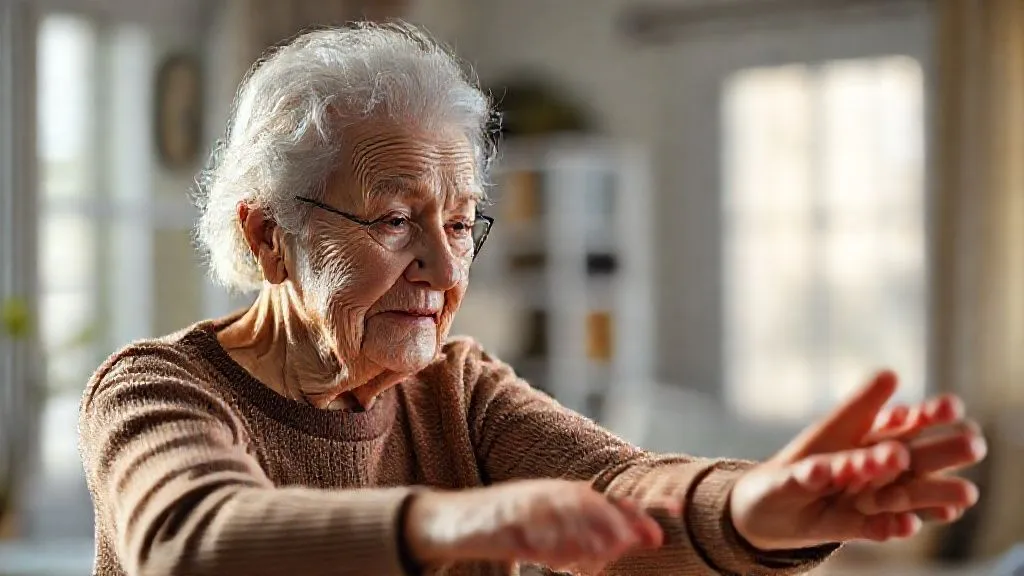
How to engage reluctant seniors in effective fall prevention exercises?
For over two decades working intimately within the 'Aging Well' sphere, I've observed a profound irony: the very individuals who stand to gain the most from preventive health measures are often the most resistant. Specifically, when it comes to fall prevention exercises, the reluctance among some seniors isn't just a minor hurdle; it's a significant barrier to their continued independence and quality of life.
The reasons for this reluctance are multifaceted, ranging from fear of injury or perceived lack of ability to a simple misunderstanding of the benefits, or even a sense of pride. Yet, falls remain a leading cause of injury and disability among older adults, often triggering a cascade of health issues and a devastating loss of autonomy. According to the CDC, over 36 million falls are reported among older adults each year, resulting in 32,000 deaths. Ignoring this resistance isn't an option; it's a direct threat to their well-being.
In this comprehensive guide, I will share the strategies I've honed over years of practice and research—actionable frameworks, empathetic communication techniques, and practical approaches—designed to gently yet effectively engage even the most reluctant seniors. We'll explore how to transform apprehension into proactive participation, fostering a safer, more active lifestyle.
1. Understanding the Roots of Reluctance: Empathy First
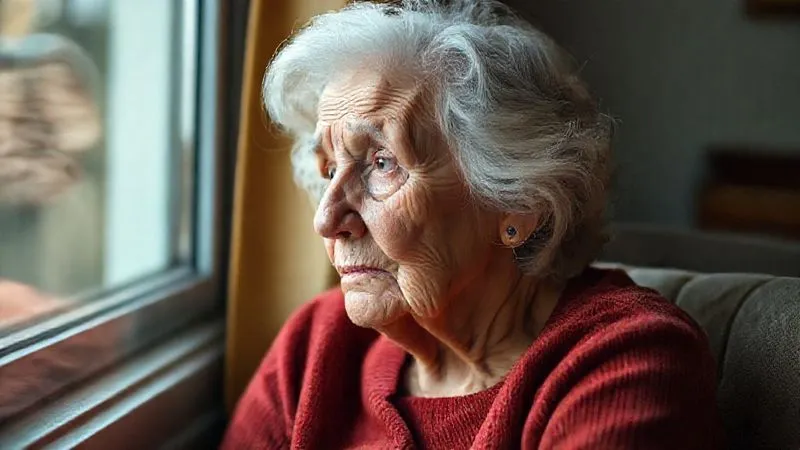
Before we can engage, we must understand. Reluctance in seniors is rarely defiance; it's almost always rooted in deeper concerns. As an expert in active aging, I've learned that truly listening is the most powerful tool in our arsenal. We need to step into their shoes and acknowledge their perspective without judgment.
Common Barriers and Underlying Fears
- Fear of Falling Again: For those who have experienced a fall, the trauma can be immense, leading to a debilitating fear that paradoxically increases their risk by limiting movement.
- Perceived Frailty or Embarrassment: Some seniors may feel that needing help or performing exercises makes them appear weak or incapable, leading to a desire to hide their vulnerabilities.
- Lack of Understanding Benefits: They might not grasp the direct link between specific exercises and fall prevention, viewing them as pointless or too strenuous.
- Pain or Discomfort: Underlying conditions like arthritis or neuropathy can make movement genuinely painful, leading to avoidance.
- Loss of Control/Autonomy: Being told what to do can feel disempowering, especially for individuals who value their independence.
"Engagement begins not with instruction, but with understanding. Seek first to comprehend the senior's world, their fears, and their desires. Only then can you build a bridge to participation."
By identifying these barriers, we can tailor our approach to address their specific concerns, rather than pushing a one-size-fits-all solution. This foundational empathy is crucial when considering how to engage reluctant seniors in effective fall prevention exercises.
2. Building Trust and Open Communication
Once we understand the 'why' behind their reluctance, the next step is to establish a foundation of trust. This isn't about convincing; it's about collaborating. Patient, consistent, and respectful communication is paramount.
The Power of Patient Dialogue
- Start with Open-Ended Questions: Instead of "Do you want to exercise?" try "What concerns do you have about staying active?" or "What kinds of activities do you enjoy?"
- Validate Their Feelings: Acknowledge their fears and discomfort. Phrases like "I understand why you might feel hesitant after your fall" can go a long way.
- Educate, Don't Preach: Gently explain the benefits of specific exercises in simple terms, focusing on how they can regain independence and confidence, not just prevent falls.
- Involve Them in the Decision: Offer choices. "Would you prefer to try some seated exercises or a short walk today?" This restores a sense of control.
- Be a Consistent Presence: Trust isn't built overnight. Regular, non-pressured interactions, even if they don't immediately involve exercise, lay the groundwork.
As many experts in interpersonal communication emphasize, empathy and active listening are crucial for overcoming resistance. When seniors feel heard and respected, their willingness to consider new ideas, like fall prevention exercises, naturally increases. Remember, the goal is to empower them, not to enforce compliance.
3. Tailoring Exercises to Individual Needs and Preferences
One of the biggest mistakes I've witnessed is a generic approach to fall prevention. Every senior is unique, with different physical capabilities, interests, and limitations. True engagement comes from personalization.
Personalization as the Key to Engagement
Effective fall prevention exercises don't have to be strenuous or complex. They need to be relevant, achievable, and ideally, enjoyable for the individual. This means adapting routines to their current fitness level, health conditions, and personal likes.
- Start Small and Progress Gradually: Begin with incredibly simple movements, even just 5 minutes a day. Celebrate these small victories.
- Focus on Functionality: Frame exercises in terms of daily activities they want to improve. "These leg exercises will make it easier to get up from your favorite chair."
- Incorporate Hobbies: Can they do gentle stretches while watching TV? Balance exercises while cooking? Walking in a garden they love?
- Consider Adaptive Equipment: Chairs for seated exercises, resistance bands, or even a walker for support can make exercises accessible and safe.
Here's a quick overview of exercise types and how they can be modified to reduce initial reluctance:
| Exercise Type | Example | Modification for Reluctance |
|---|---|---|
| Balance | Standing on one foot (with support) | Holding onto a sturdy chair, seated balance exercises, Tai Chi |
| Strength | Chair squats | Wall push-ups, resistance band exercises while seated, lifting light household items |
| Flexibility | Gentle stretches | Range of motion exercises in bed or chair, warm water exercises, gentle yoga |
| Endurance | Brisk walking | Short walks with frequent breaks, walking in a pool, dancing to favorite music |
The National Institute on Aging provides excellent resources on the four types of exercise beneficial for older adults. By carefully selecting and modifying these, we significantly improve the chances of engaging reluctant seniors in effective fall prevention exercises.
4. Making Fall Prevention Fun and Social
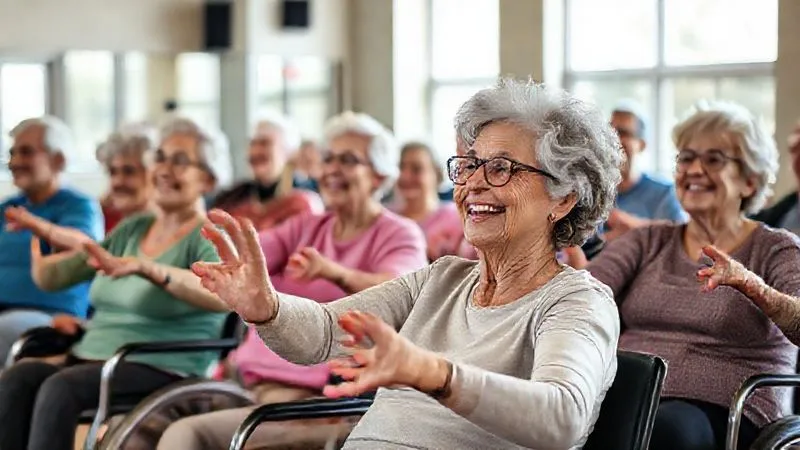
Exercise doesn't have to be a solitary chore. In my experience, incorporating elements of fun and social interaction can be a game-changer for engagement, particularly with individuals who might otherwise resist structured routines.
From Chore to Community: Gamification and Group Dynamics
Humans are inherently social creatures, and seniors are no exception. Loneliness and isolation can contribute to a decline in physical activity. By transforming fall prevention into a shared, enjoyable experience, we tap into powerful motivational drivers.
- Group Classes: Look for senior-specific exercise classes in local community centers, gyms, or even online. The camaraderie and peer support can be highly motivating.
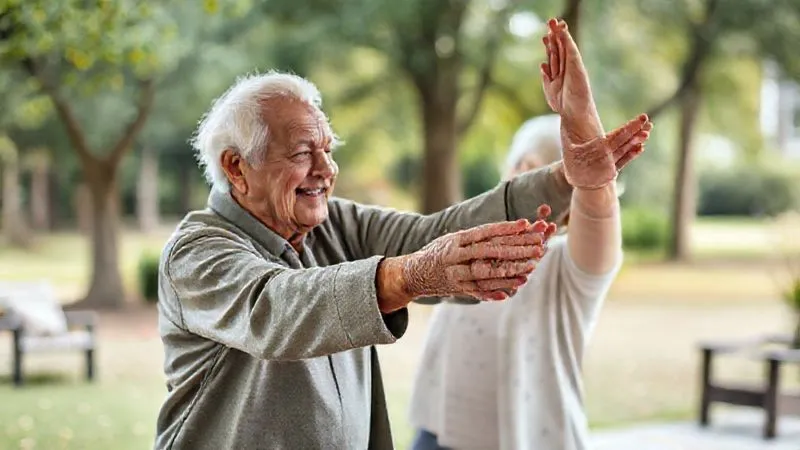
- Activity-Based Engagement: Instead of "exercise," suggest activities like dancing, gardening, gentle hiking with friends, or even playing active video games (Wii Sports, for example) that require movement.
- Gamification: Introduce playful challenges or reward systems. A "Stair-Climbing Challenge" (with appropriate safety measures) or a "Weekly Walkathon" can inject fun.
- Intergenerational Activities: Encourage activities that involve grandchildren or younger family members. A gentle walk in the park or a game of catch can be both bonding and beneficial.
Case Study: Oakwood Senior Center's 'Balance Buddies' Program
At the Oakwood Senior Center, staff noticed low participation in their traditional fall prevention classes. Inspired by a community engagement workshop I led, they launched 'Balance Buddies,' pairing seniors for gentle exercises and offering a 'Passport to Stability' where participants earned stamps for attending different activities like Tai Chi, seated yoga, and guided nature walks. Within six months, participation increased by 40%, and anecdotal reports from families suggested a significant boost in confidence and social connection among participants. This demonstrated the power of peer support and playful incentives in how to engage reluctant seniors in effective fall prevention exercises.
5. Leveraging Technology and Accessible Resources
In our modern world, technology offers an array of tools that can make fall prevention exercises more accessible, engaging, and trackable for seniors, even those who are initially reluctant.
Digital Tools for Enhanced Engagement
- Online Exercise Programs: Many platforms offer senior-friendly exercise videos, from seated yoga to balance routines, that can be done from the comfort of home. This removes barriers like transportation or self-consciousness.
- Wearable Technology: While not for everyone, some seniors might be motivated by fitness trackers that monitor steps or activity levels, especially if there's a friendly competition with family or friends.
- Interactive Apps: Certain apps are designed to guide users through exercises, sometimes with visual prompts or soothing music, making the experience more engaging.
- Virtual Social Groups: For those unable to attend in-person classes, virtual groups can provide a sense of community and accountability.
When introducing technology, it's crucial to offer patient guidance and support. Start with simple, user-friendly options. Websites like NIH's Go4Life program offer free resources and videos specifically tailored for older adults, making it easier to find appropriate and safe exercises.
6. Creating a Safe and Supportive Environment
No matter how well-intentioned our efforts, seniors will remain reluctant if they don't feel safe, both physically and emotionally. This aspect is often overlooked but is absolutely critical for sustained engagement.
The Importance of Physical and Emotional Safety
Physical safety is about minimizing the risk of injury during exercise. Emotional safety is about fostering an environment free from judgment, pressure, or embarrassment.
Physical Safety Measures:
- Clear Pathways: Ensure the exercise area is free of tripping hazards like rugs, cords, or clutter.
- Appropriate Footwear: Encourage sturdy, non-slip shoes.
- Adequate Support: Have a sturdy chair, counter, or wall nearby for balance exercises.
- Proper Lighting: A well-lit space reduces the risk of missteps.
- Hydration: Keep water readily available, especially during longer sessions.
Emotional Safety Measures:
- Positive Reinforcement: Focus on what they can do, not what they can't. Celebrate effort and small improvements.
- Patience and Flexibility: Understand that some days will be better than others. Be prepared to adjust plans.
- Non-Judgmental Attitude: Avoid criticism or comparing them to others. The goal is personal improvement.
- Professional Guidance: If you're unsure about safety or proper technique, consult a physical therapist or exercise physiologist specializing in geriatrics.
"The safest environment isn't just free of hazards; it's free of judgment. Create a space where vulnerability is met with understanding, and effort is always celebrated. This is where true confidence blossoms."
By proactively addressing both physical and emotional safety, we remove significant barriers, making it far more appealing for seniors to engage in these vital activities. This holistic approach is fundamental to how to engage reluctant seniors in effective fall prevention exercises.
7. Empowering Seniors Through Education and Goal Setting
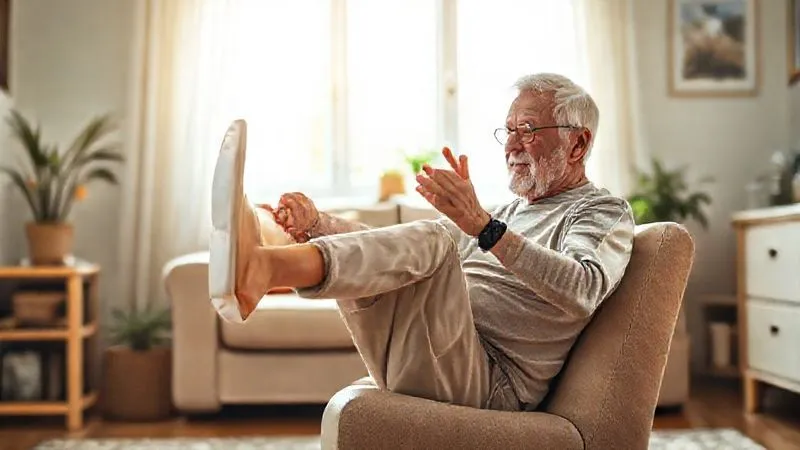
Ultimately, sustained engagement comes from intrinsic motivation. When seniors understand the 'why' behind their efforts and can see tangible progress, they become active participants in their own well-being. This sense of empowerment is a powerful antidote to reluctance.
Understanding the 'Why' and Celebrating Milestones
It's not enough to tell seniors to exercise; we need to help them connect the dots between their actions and positive outcomes. This involves clear, consistent education and a focus on achievable goals.
Actionable Steps for Empowerment:
- Explain the Benefits Clearly: Use simple language to describe how specific exercises improve balance, strengthen muscles, and increase flexibility, directly reducing fall risk. Connect it to their desired independence.
- Set Realistic, Achievable Goals: Work together to set small, incremental goals. "Today, let's try standing on one foot for 5 seconds with support." or "Let's aim for two 10-minute walks this week."
- Track Progress Visibly: Use a simple chart or calendar to mark off completed exercises or achieved goals. Seeing progress can be incredibly motivating.
- Celebrate Every Milestone: Acknowledge and celebrate even the smallest achievements. "You stood for 5 seconds longer today! That's fantastic progress towards being more stable."
- Encourage Self-Advocacy: Empower them to communicate their needs, discomforts, and preferences. This reinforces their sense of control.
Research consistently shows that individuals are more likely to adhere to health behaviors when they feel a sense of autonomy, competence, and relatedness. As Harvard Health Publishing often highlights, understanding the tangible benefits of exercise for fall prevention is a key motivator. By fostering this internal drive, we move beyond mere compliance to genuine, lasting engagement in effective fall prevention exercises.
Frequently Asked Questions (FAQ)
Q: What if my senior parent absolutely refuses to try any exercises, even after gentle encouragement?
A: When direct exercise is met with absolute refusal, shift your focus. Can you incorporate movement into daily routines? Instead of asking them to 'exercise,' ask them to help with light chores like dusting or setting the table. Encourage short, frequent walks to the mailbox or around the house. Even passive range-of-motion exercises, where you gently move their limbs for them, can help maintain flexibility. Sometimes, starting with a professional assessment from a physical therapist can also help identify specific barriers and provide a tailored, less intimidating starting point.
Q: How can I tell if an exercise is safe for them, especially if they have multiple health conditions?
A: Always consult their primary care physician or a geriatric physical therapist before starting any new exercise regimen. They can assess current health conditions, medications, and mobility levels to recommend appropriate and safe exercises. During exercises, look for signs of dizziness, shortness of breath, chest pain, or increased pain in joints. If any of these occur, stop immediately. Start very slowly, with minimal repetitions, and gradually increase intensity and duration as tolerated. Listen to their body and their feedback.
Q: Are there specific exercises that are more effective for fall prevention?
A: Yes, the most effective fall prevention programs typically combine several types of exercises. These include: Balance exercises (e.g., standing on one foot with support, heel-to-toe walking, Tai Chi), Strength training (especially for leg and core muscles, such as chair squats, leg lifts, resistance band exercises), and Flexibility exercises (gentle stretches for major muscle groups). Endurance activities like walking are also important for overall fitness. Tai Chi is particularly notable for its proven benefits in improving balance and reducing fall risk.
Q: My senior has early-stage dementia. How do I engage them in fall prevention exercises?
A: Engaging individuals with dementia requires patience, simplicity, and routine. Focus on familiar, repetitive movements. Use visual cues and simple, one-step instructions. Incorporate music they enjoy, as it can evoke positive memories and encourage movement. Keep sessions short and frequent. Consider activities like walking, seated exercises, or dancing. Consistency in time and location can also provide comfort and reduce confusion. Professional guidance from an occupational or physical therapist experienced with dementia patients is highly recommended for tailored strategies.
Q: How often should seniors be doing fall prevention exercises to see results?
A: Consistency is more important than intensity. Most guidelines recommend at least 150 minutes of moderate-intensity aerobic activity per week, along with strength training for major muscle groups at least two days a week, and balance exercises on most days. For fall prevention specifically, daily engagement in balance and flexibility exercises, even for short durations (5-10 minutes multiple times a day), can be highly effective. The key is to make it a regular, sustainable part of their routine, gradually building up as their strength and confidence improve.
Key Takeaways and Final Thoughts
Engaging reluctant seniors in effective fall prevention exercises is not a challenge to be overcome with force, but an opportunity to connect with empathy, creativity, and persistent support. As an industry specialist, I've seen firsthand that the most successful approaches are those that prioritize the individual's dignity, fears, and preferences.
- Empathy is Your Foundation: Understand their reluctance before attempting to persuade.
- Communication is Key: Build trust through patient, open, and validating dialogue. Personalize Everything: Tailor exercises to their abilities, interests, and limitations.
- Make it Fun and Social: Leverage group dynamics and enjoyable activities to foster engagement.
- Utilize Accessible Tools: Technology can open new avenues for participation and tracking.
- Prioritize Safety: Create both a physically and emotionally secure environment.
- Empower Through Education: Help them understand the 'why' and celebrate every step of progress.
By adopting these strategies, you're not just preventing falls; you're fostering a renewed sense of independence, confidence, and quality of life for the seniors in your care. It's a journey that requires patience and dedication, but the rewards—a safer, more active, and more engaged older adult—are immeasurable. Let's commit to making active aging a joyful reality for everyone.
Recommended Reading
- The Ultimate Guide: How to Heal Diastasis Recti Naturally After Birth
- Outpatient Withdrawal: 7 Strategies for Severe Substance Abuse Cases
- 7 Steps to Safely Handle Adverse Reactions in Mindfulness Sessions
- 7 Strategies to Halt Age-Related Joint Pain & Boost Work Output
- 7 Proven Strategies: How to Boost Early Cancer Screening Adherence by 35%?





0 Comentários: